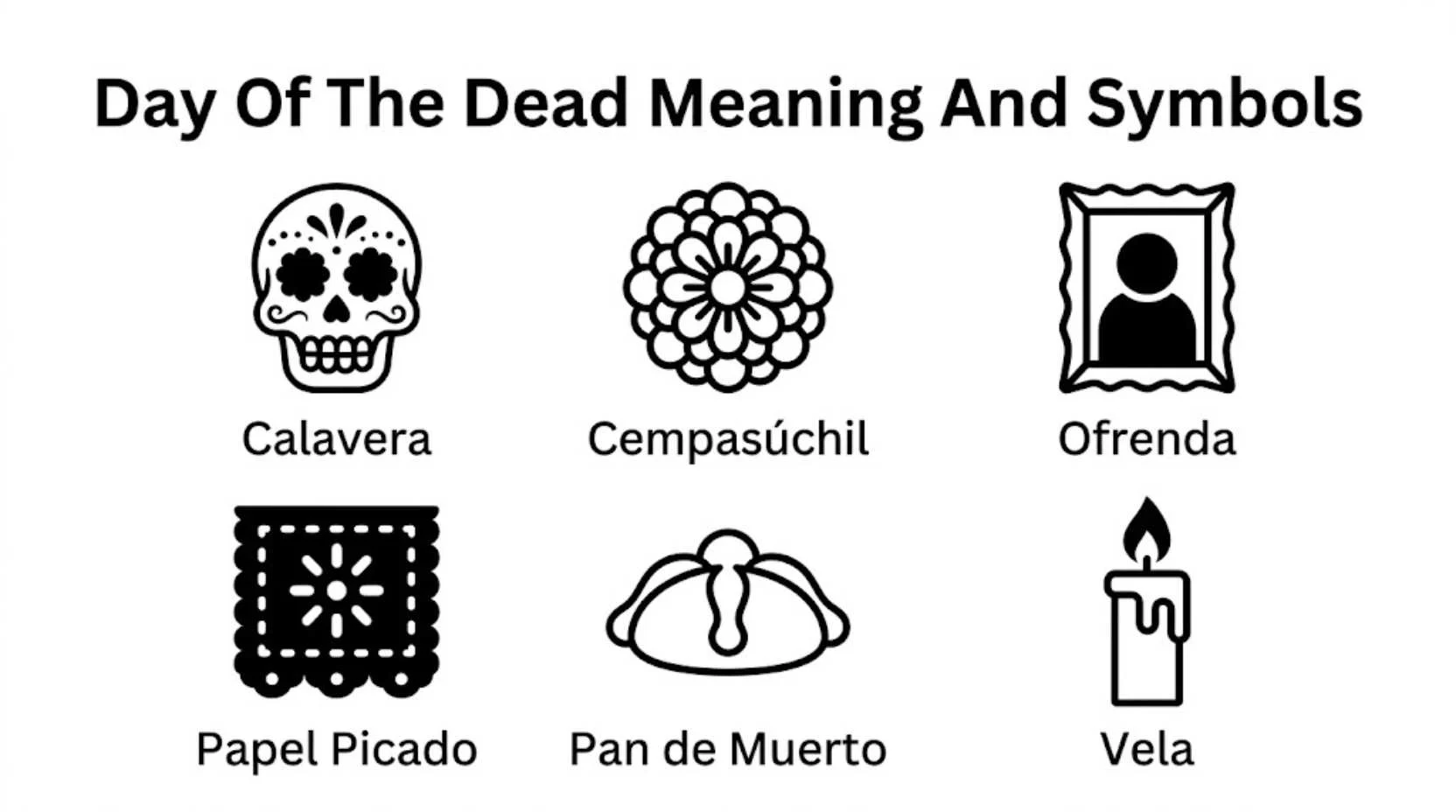
The beauty of “day of the dead meaning and symbols” goes far beyond colorful skulls and flowers.
This ancient tradition carries deep emotions about love, remembrance, family and the connection between life and death. Across generations, people have used these symbols to honor loved ones who passed away while celebrating the joy of their memory.
For many people, the Day of the Dead is not about fear. It is about keeping memories alive. Every candle, flower, skull, and offering tells a story filled with hope, respect, and spiritual meaning.
Once you understand these powerful symbols, you begin to see why this celebration touches hearts around the world.
Quick Answer
The Day of the Dead is a Mexican tradition that honors deceased loved ones through meaningful symbols like sugar skulls, marigolds, candles, altars, and butterflies. These symbols represent remembrance, spiritual connection, family love and the belief that the souls of the dead return to visit during the celebration.
What Makes Something A Symbol Of Day Of The Dead?
A Day of the Dead symbol becomes meaningful when it connects the living with the memory of the dead. These symbols are not random decorations. They carry emotional, spiritual, and cultural importance passed down through centuries.
Most Day of the Dead symbols represent:
- Memory and remembrance
- The cycle of life and death
- Spiritual guidance
- Family unity
- Celebration instead of fear
- The belief that souls return home
Unlike symbols connected with sadness alone, these symbols mix joy with grief. They remind people that love does not disappear after death.
Psychologically, these symbols help people process loss in a healthier way. Instead of hiding death, the tradition encourages families to speak openly about it. This creates emotional healing and stronger family bonds.
The Origins Of Day Of The Dead Traditions
The Day of the Dead, known as Día de los Muertos, began thousands of years ago in Mexico. Ancient civilizations like the Aztecs believed death was part of life’s natural journey.
When Spanish traditions mixed with Indigenous beliefs, the modern celebration developed. Today, the holiday usually takes place on November 1 and November 2.
The celebration combines:
- Indigenous spiritual beliefs
- Catholic traditions
- Family customs
- Artistic symbolism
- Ritual offerings
Did you know? UNESCO recognized Día de los Muertos as an important cultural heritage tradition because of its historical and spiritual value.
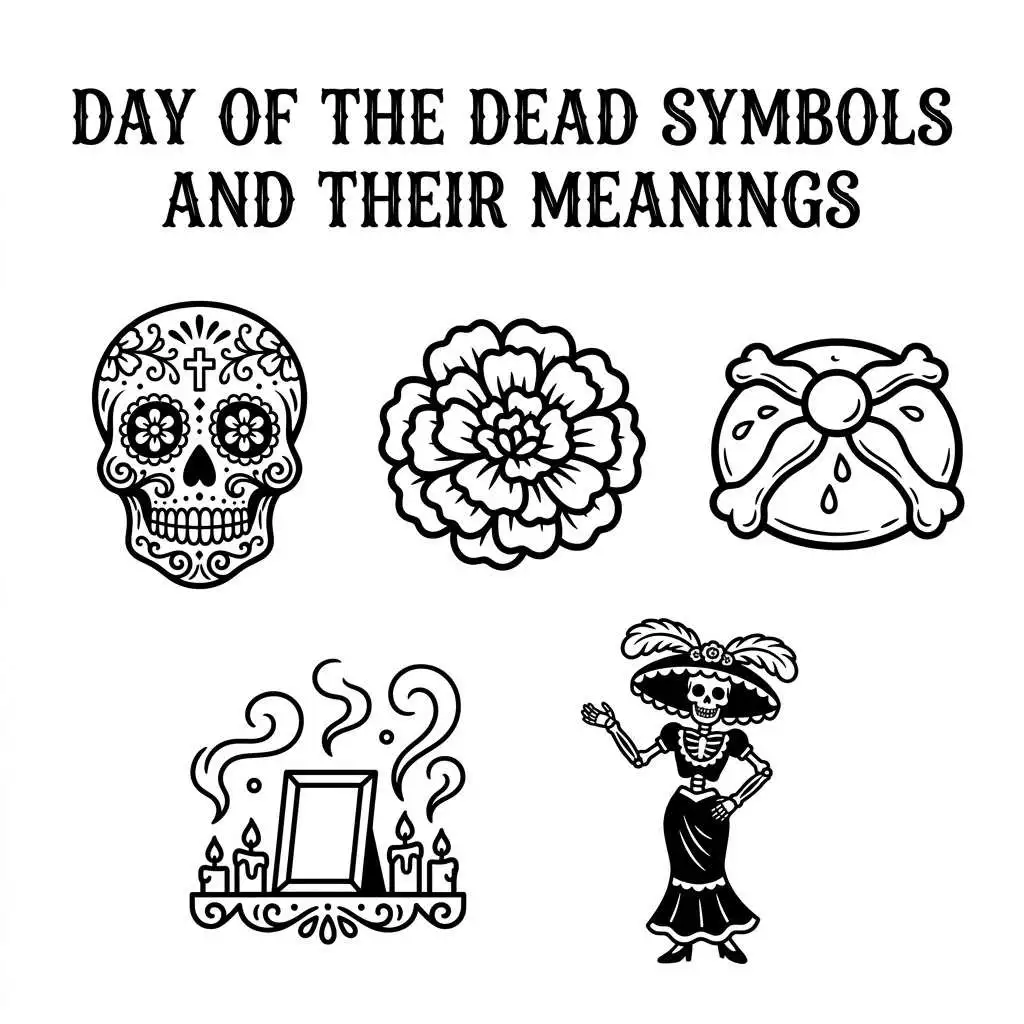
Day Of The Dead Symbols And Their Meanings
Sugar Skulls
Sugar skulls are the most recognized symbol of Day of the Dead. These colorful skulls are often decorated with flowers, hearts, glitter, and names.
They symbolize:
- The sweetness of life
- Human mortality
- Remembering loved ones
- Celebration over fear
The bright colors show that death is not viewed as something dark or hopeless. Instead, it becomes part of life’s beautiful cycle.
In modern culture, sugar skull imagery appears in tattoos, fashion, makeup, and artwork around the world.
Marigold Flowers
Marigolds, especially orange marigolds, are called the “flowers of the dead.”
People believe their bright color and strong scent guide spirits back to their families. Petals are often placed in pathways leading to home altars.
Marigolds represent:
- Spiritual guidance
- Light and hope
- Fragility of life
- Connection between worlds
The vibrant orange color also symbolizes the sun, warmth, and energy.
Candles
Candles play a sacred role during Day of the Dead celebrations. Families light candles on altars and graves to help spirits find their way home.
Each candle often represents:
- A specific loved one
- Faith and prayer
- Guidance through darkness
- Eternal memory
Psychologically, candlelight creates peace and reflection. It allows families to feel emotionally connected to those they lost.
Altars Or Ofrendas
An altar, called an ofrenda, is one of the heart-centered traditions of the celebration.
Families place meaningful items on the altar, such as:
- Photos
- Favorite foods
- Drinks
- Candles
- Flowers
- Religious items
- Personal belongings
These altars symbolize hospitality and love. Families believe spirits return to enjoy the offerings prepared for them.
Skeletons
Skeletons are everywhere during Day of the Dead celebrations. Unlike scary skeletons in horror movies, these figures often appear dancing, smiling, and dressed in elegant clothing.
They represent:
- Acceptance of death
- Equality among all humans
- Humor about mortality
- Celebration of life
The message is powerful. Death comes to everyone, so life should be appreciated fully.
Animal And Nature Symbols In Day Of The Dead
Monarch Butterflies
Monarch butterflies are deeply connected to the holiday because their migration to Mexico happens around the same time.
Many people believe butterflies carry the souls of ancestors returning home.
Butterflies symbolize:
- Transformation
- Spiritual rebirth
- Freedom of the soul
- Hope after loss
Across cultures, butterflies often represent the soul’s journey after death.
Dogs
In Aztec tradition, dogs helped guide souls through the afterlife. The Xoloitzcuintli dog, an ancient Mexican breed, holds special meaning.
Dogs symbolize:
- Loyalty
- Protection
- Spiritual guidance
- Safe passage into the afterlife
This belief reflects humanity’s long emotional bond with animals.
Birds
Birds often appear in Day of the Dead art and decorations.
They represent:
- Freedom
- Communication between worlds
- Spiritual travel
- Messages from ancestors
In many cultures, birds are believed to carry spiritual energy.
Water
Water is commonly placed on altars for returning spirits.
It symbolizes:
- Purification
- Renewal
- Life energy
- Relief for tired souls
Water reminds people that all life depends on spiritual and physical nourishment.
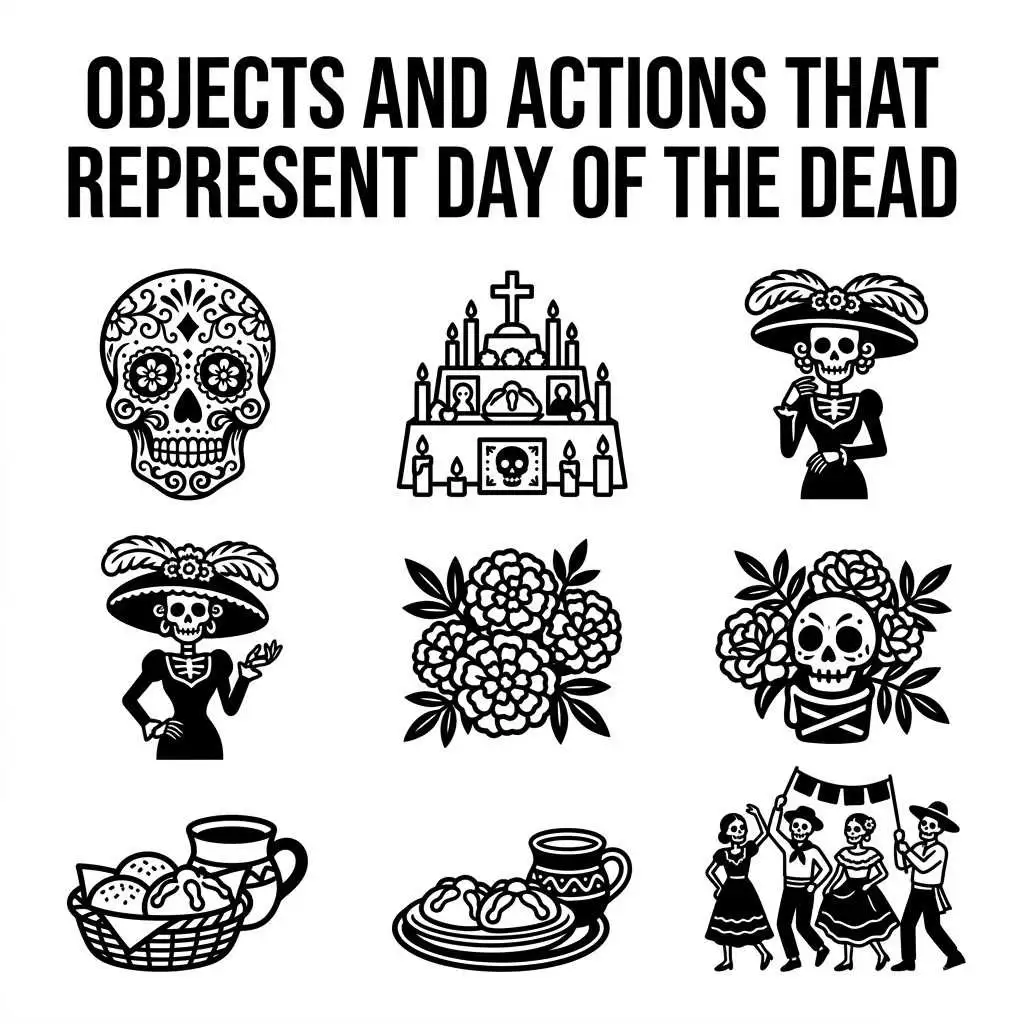
Objects And Actions That Represent Day Of The Dead
Pan De Muerto
Pan de Muerto, or bread of the dead, is a traditional sweet bread eaten during the celebration.
Its shape and decorations symbolize:
- The cycle of life
- Bones and mortality
- Family unity
- Shared remembrance
Food becomes an emotional connection between generations.
Incense
Copal incense has been used since ancient times to cleanse spaces spiritually.
The smoke symbolizes:
- Purification
- Spiritual communication
- Sacred atmosphere
- Protection from negative energy
The scent creates a peaceful environment for prayer and reflection.
Face Paint And Makeup
Day of the Dead makeup often imitates decorated skulls.
This practice symbolizes:
- Respect for ancestors
- Artistic expression
- Acceptance of mortality
- Unity between life and death
People wear these designs proudly during parades and celebrations.
Grave Cleaning
Families often clean and decorate graves together.
This action represents:
- Ongoing love
- Respect for ancestors
- Family connection
- Emotional healing
The ritual helps people feel close to those they lost.
Ancient And Cultural Symbols Around The World
Although Day of the Dead comes from Mexico, many cultures share similar symbols connected with death and remembrance.
Mexico
Mexican traditions focus on joyful remembrance. Symbols are colorful, emotional, and family centered.
Europe
In many European cultures, candles and flowers are placed on graves during remembrance holidays.
These symbols often represent:
- Eternal light
- Peace
- Prayer for the dead
Asia
Countries like Japan honor ancestors through festivals such as Obon.
Common symbolic themes include:
- Lanterns
- Family rituals
- Spiritual guidance
- Respect for ancestors
Africa
Many African traditions view ancestors as active spiritual protectors.
Symbols often include:
- Masks
- Dance
- Fire
- Sacred objects
These traditions focus on keeping ancestral wisdom alive.
United States
In the United States, Day of the Dead has become popular through art, festivals, and education.
Many people appreciate the celebration because it encourages healthier conversations about grief and remembrance.
Day Of The Dead Spiritual Meaning And Deeper Interpretation
At its deepest level, Day of the Dead teaches that death is not the end of connection. Love continues through memory, tradition, and spirit.
Spiritually, the celebration represents:
- The eternal bond between families
- The journey of the soul
- Acceptance of human mortality
- Healing through remembrance
- Unity between worlds
Many people feel emotionally comforted by these beliefs. The holiday transforms grief into gratitude.
Psychologists often explain that remembrance rituals help people cope with loss in healthier ways. Creating altars, sharing stories, and celebrating memories allow emotions to move instead of staying trapped.
Did you know? Studies show that cultural remembrance rituals can reduce feelings of isolation after losing loved ones.
Day Of The Dead Symbolism In Literature And Popular Culture
Day of the Dead symbolism appears in books, films, paintings, and music because of its emotional depth.
In Literature
Writers often use Day of the Dead imagery to explore themes such as:
- Family legacy
- Memory
- Mortality
- Spiritual identity
- Emotional healing
Skulls, candles, and marigolds frequently appear as metaphors for love and remembrance.
In Movies
Movies like Coco introduced millions of people to the beauty of Day of the Dead traditions.
The film highlights:
- Family memory
- Ancestor connection
- Emotional healing
- Importance of storytelling
In Art
Artists use skeletons and skulls to show that death is universal. Instead of fear, the art often expresses humor, beauty, and humanity.
In Fashion
Sugar skull makeup and floral patterns appear in fashion around the world.
However, understanding the cultural meaning behind these symbols is important. Respect matters more than trends.
Day Of The Dead In Everyday Life
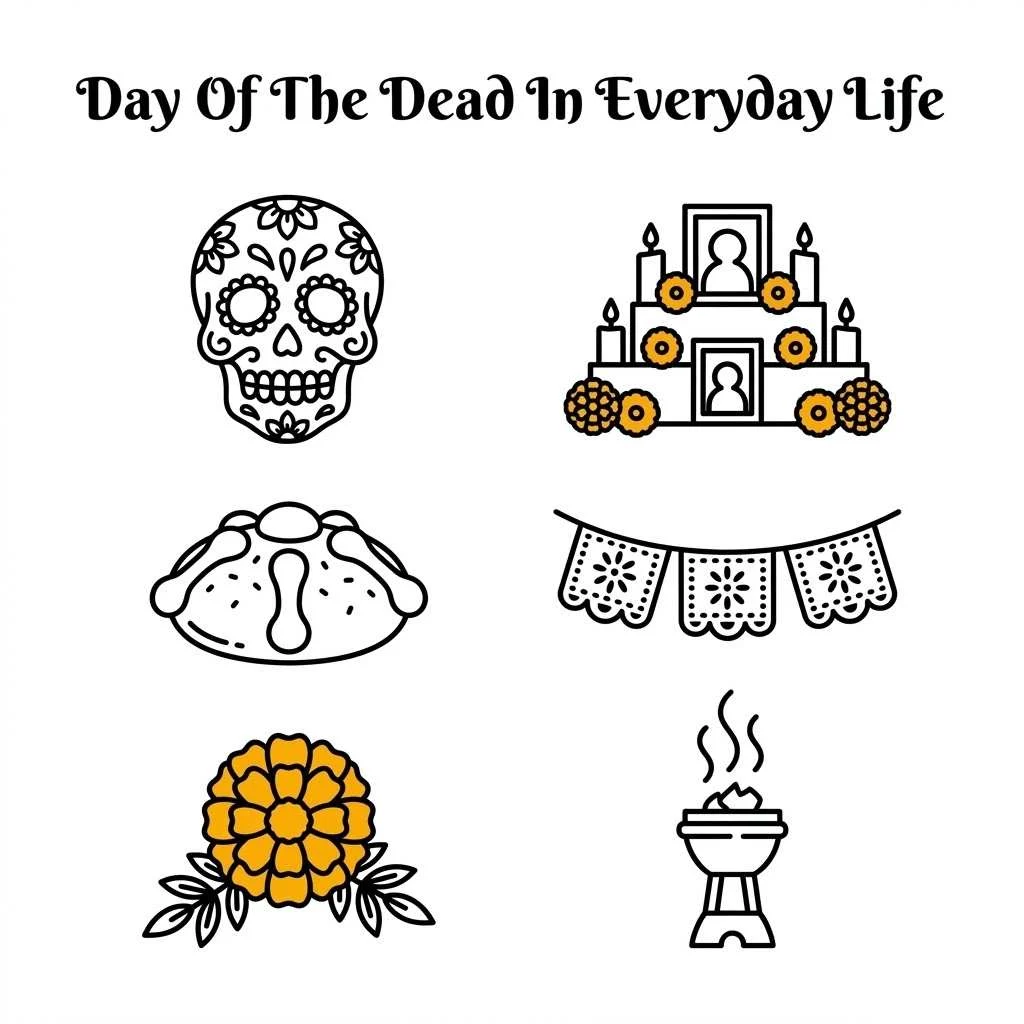
Many people connect with Day of the Dead values even outside the holiday itself.
You can honor its meaning by:
- Remembering family stories
- Lighting candles for loved ones
- Visiting graves respectfully
- Keeping family traditions alive
- Creating memory spaces at home
- Sharing meals together
The tradition teaches people to value relationships while they still can.
Tattoo Ideas And Personal Meanings
Day of the Dead tattoos carry emotional and spiritual significance. Many people choose these designs to honor loved ones or express their beliefs about life and death.
Sugar Skull Tattoos
These tattoos often symbolize:
- Celebration of life
- Strength after loss
- Memory of loved ones
- Acceptance of mortality
Marigold Tattoos
Marigold tattoos represent:
- Guidance
- Spiritual light
- Hope
- Family connection
Skeleton Couple Tattoos
These designs can symbolize eternal love that continues after death.
Butterfly Tattoos
Butterfly tattoos inspired by Day of the Dead traditions represent transformation and spiritual rebirth.
Candle Tattoos
Candles symbolize remembrance, faith, and emotional warmth.
When choosing a tattoo inspired by Day of the Dead, understanding the cultural roots adds deeper personal meaning.
Universal And Most Recognized Day Of The Dead Symbol
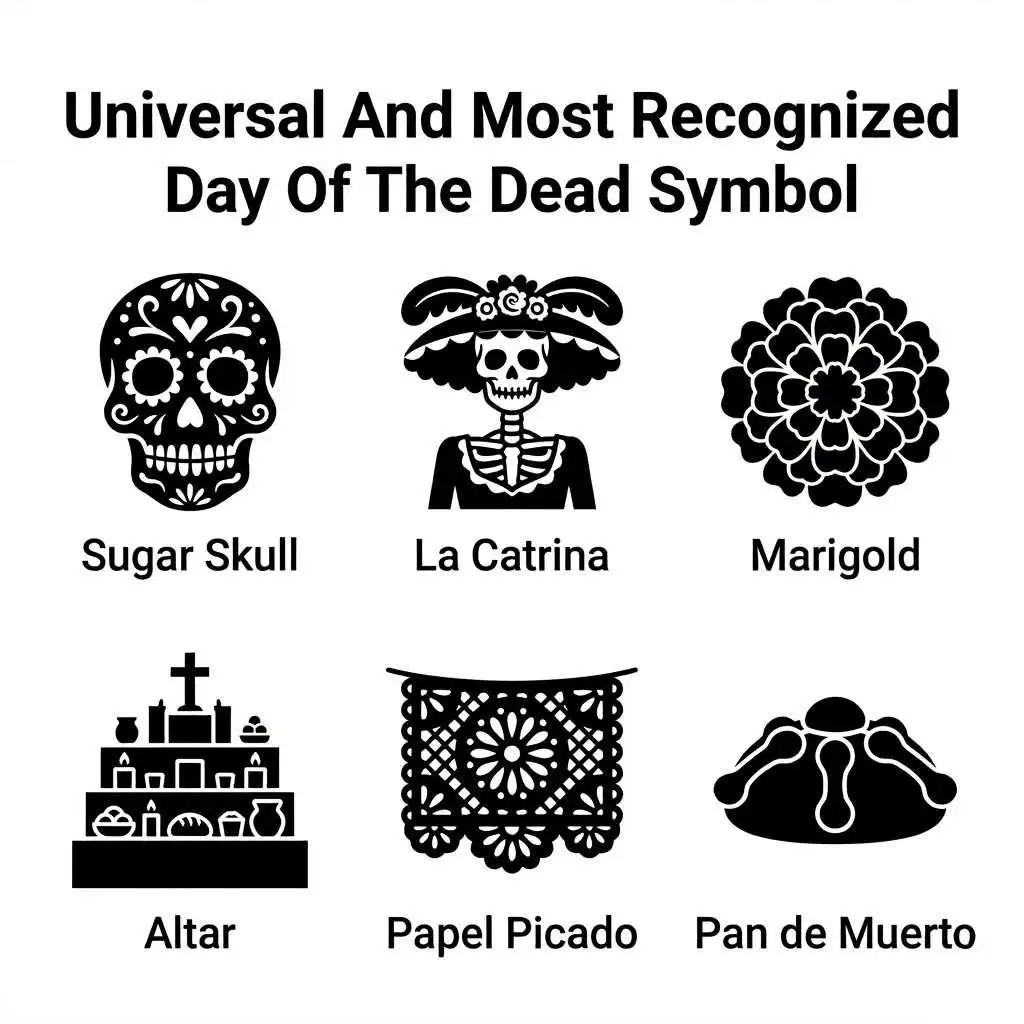
The sugar skull remains the most universal and recognized symbol connected with Day of the Dead.
Why it became iconic:
- It combines beauty with mortality
- It transforms fear into celebration
- It is visually memorable
- It carries emotional depth
- It reflects Mexican artistic tradition
People across the world instantly connect sugar skulls with remembrance and cultural celebration.
How To Create Or Draw A Day Of The Dead Symbol?
Creating your own Day of the Dead art can be meaningful and relaxing.
Simple Sugar Skull Drawing Steps
1. Draw The Skull Shape
Start with a rounded skull outline and large eye circles.
2. Add Decorative Patterns
Include flowers, hearts, dots, and swirls.
3. Use Symmetry
Most Day of the Dead skull art looks balanced on both sides.
4. Add Bright Colors
Popular colors include:
- Orange
- Red
- Purple
- Blue
- Pink
- Yellow
5. Include Personal Meaning
You can add symbols connected with loved ones or family memories.
Create A Simple Home Altar
You can also create a respectful remembrance altar with:
- Photos
- Candles
- Flowers
- Favorite foods
- Personal keepsakes
The purpose is not perfection. The meaning comes from love and memory.
Psychological Meaning Behind Day Of The Dead Symbols
One reason these symbols remain powerful is their emotional honesty.
They help people:
- Face mortality naturally
- Keep memories alive
- Feel emotionally connected
- Heal through ritual
- Celebrate loved ones instead of only mourning
Modern psychology recognizes the importance of healthy grief rituals. Day of the Dead traditions create space for emotions, storytelling, and connection.
Instead of denying death, the celebration teaches acceptance and gratitude for life.
Common Misunderstandings About Day Of The Dead
It Is Not Halloween
Although the dates are close, Day of the Dead is a separate cultural and spiritual tradition with deeper ancestral meaning.
It Is Not About Fear
The celebration focuses on love, memory, and connection rather than horror.
It Is A Celebration Of Life
Families laugh, share meals, tell stories, and celebrate memories together.
Symbols Carry Sacred Meaning
Many symbols have spiritual and emotional importance beyond decoration.
Understanding these differences helps people appreciate the tradition respectfully.
FAQs About Day Of The Dead Meaning And Symbols
What do Day of the Dead symbols mean?
Day of the Dead symbols represent remembrance, spiritual connection, family love, guidance for souls, and acceptance of life’s cycle.
Why are sugar skulls important?
Sugar skulls symbolize both human mortality and the sweetness of life. They remind people to celebrate life while honoring loved ones who passed away.
What flower symbolizes Day of the Dead?
Marigolds are the main flower symbol because their bright color and scent are believed to guide spirits home.
Is Day of the Dead religious?
The celebration includes both Indigenous spiritual traditions and Catholic influences. Many families celebrate it as a cultural and family tradition.
Why are skeletons smiling in Day of the Dead art?
Smiling skeletons symbolize acceptance of death and the belief that life should be celebrated with joy and humor.
Conclusion
The meaning behind Day of the Dead symbols reaches far beyond colorful decorations. Every skull, flower, candle, and butterfly carries a message about memory, love, and the human connection between life and death. These traditions remind people that those we lose never fully disappear as long as their stories continue to live within us.
Across cultures and generations, the celebration teaches acceptance instead of fear and gratitude instead of sorrow. Its symbols continue to inspire art, healing, spirituality, and emotional connection around the world. Understanding these meanings allows people to appreciate the beauty behind one of humanity’s most powerful traditions.

Ryan Scott is a dedicated writer and symbol researcher who uncovers the deeper meanings behind everyday signs and symbols. His work focuses on making complex symbolic concepts simple, engaging, and easy to understand for readers from all backgrounds.
He is the author of Hidden Symbol Codes and Secrets Behind Ancient Symbols, where he explores the origins and meanings of symbols across different cultures.
Ryan’s goal is to inspire curiosity and help readers see the world from a new perspective through the language of symbols.
 Sophia Bennett
 Andrew Clark