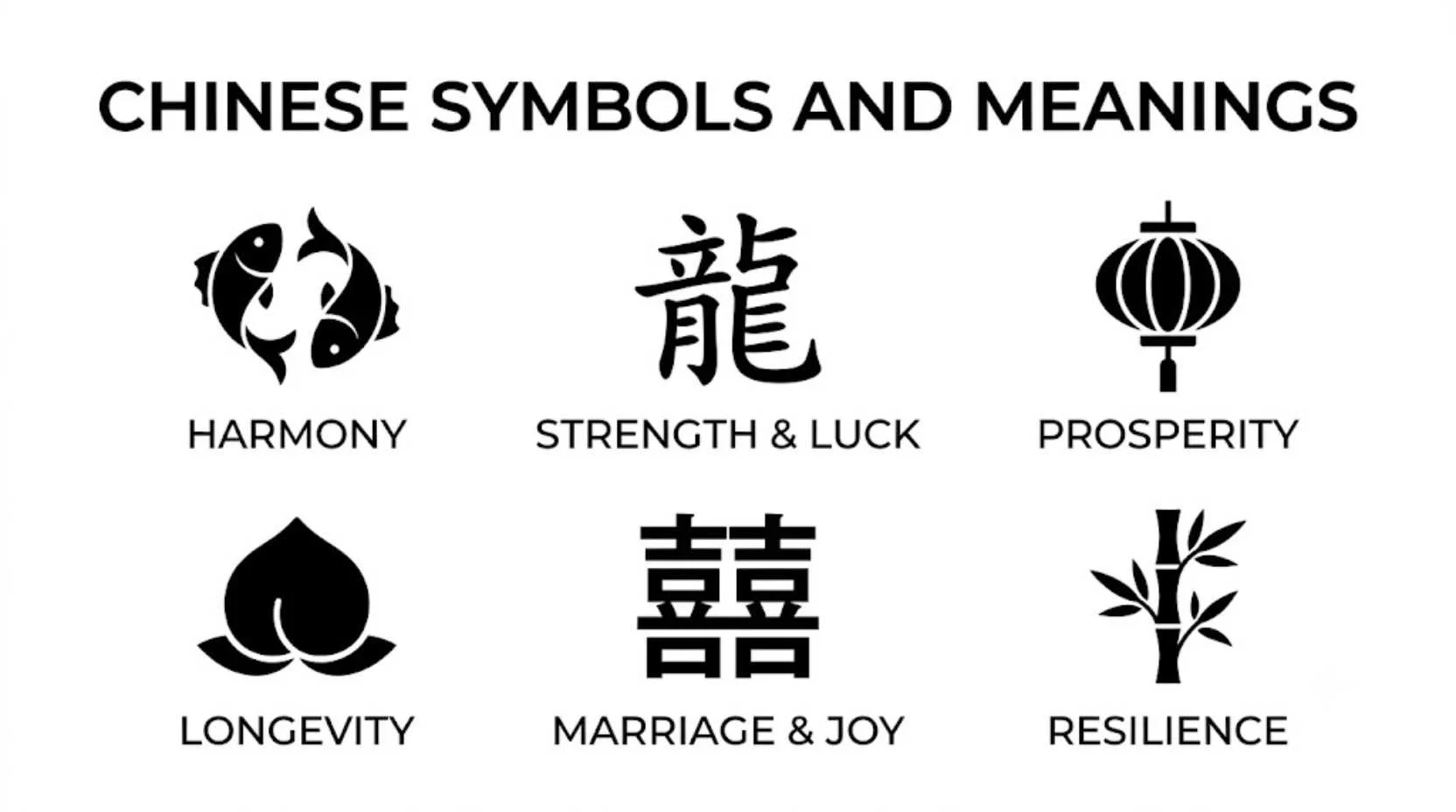
“Chinese symbols and meanings” have captivated people for centuries, carrying powerful messages that go far beyond their visual beauty.
From ancient emperors and spiritual teachers to modern artists and tattoo enthusiasts, these symbols have been used to express luck, wisdom, love, strength, prosperity, and inner harmony. Each character, animal, or symbolic image tells a story rooted in thousands of years of history and tradition. M
ore than simple designs, Chinese symbols reflect human emotions, cultural values, and deep philosophical beliefs that continue to influence people around the world.
In this guide, you’ll discover the fascinating meanings behind the most important Chinese symbols and uncover the hidden wisdom that makes them so timeless and meaningful.
Quick Answer
Chinese symbols are characters, animals, objects, and cultural signs that represent important concepts such as luck, happiness, wealth, longevity, love, wisdom, and balance. Many Chinese symbols originate from ancient traditions, philosophy, folklore, and calligraphy. Popular examples include the symbol for happiness (喜), fortune (福), dragon, phoenix, yin yang, bamboo, and lotus flower.
What Makes Something A Chinese Symbol?
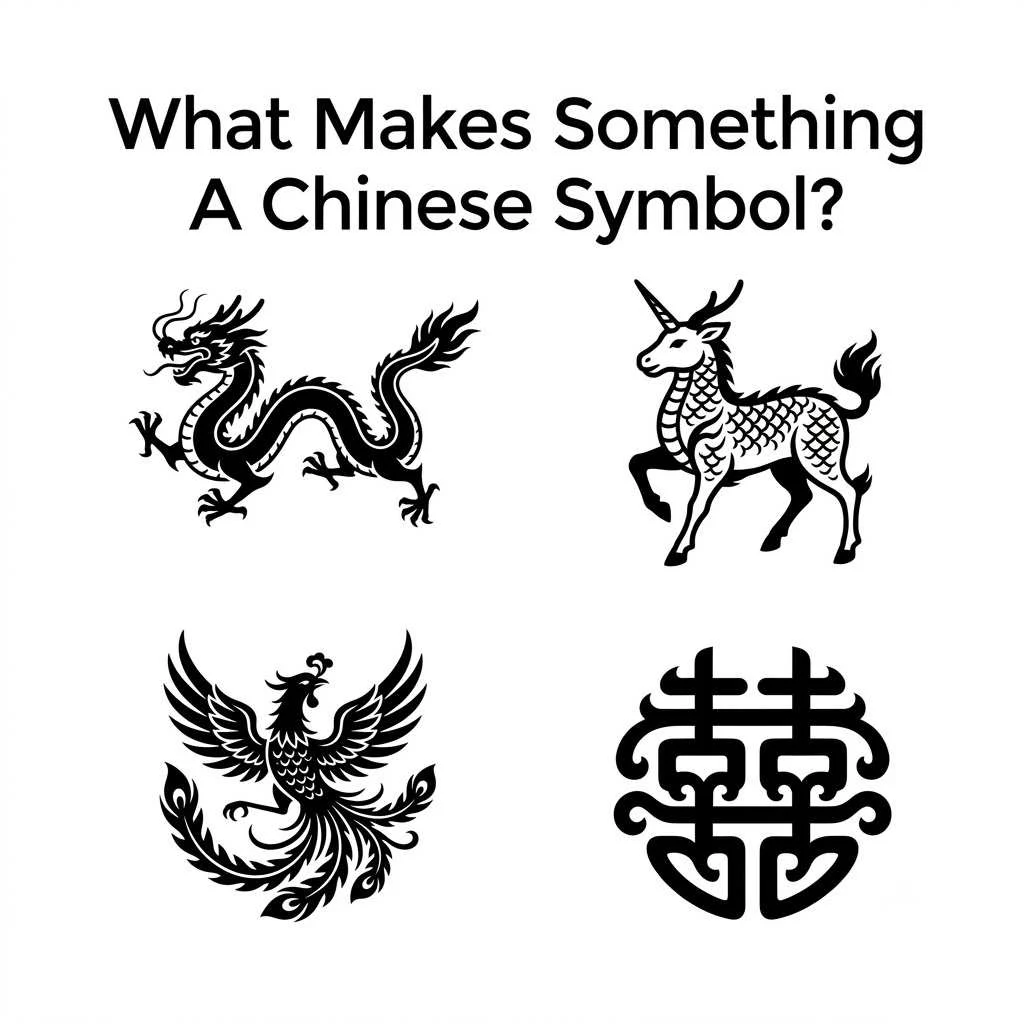
A Chinese symbol becomes meaningful when it represents a deeper idea beyond its physical appearance. In Chinese culture, symbols often communicate values, emotions, blessings, and life goals.
Several elements can become symbols:
- Chinese characters
- Animals
- Plants and flowers
- Colors
- Numbers
- Natural elements
- Mythological creatures
- Everyday objects
Unlike many Western symbols, Chinese symbols often contain layers of meaning. One symbol may represent prosperity, family harmony, spiritual growth, and protection simultaneously.
The Psychological Power Of Chinese Symbols
Humans naturally connect with symbols because they simplify complex ideas. Chinese symbols help people visualize hopes, dreams, and values.
For example:
- A dragon symbolizes personal power.
- Bamboo represents resilience.
- The character for fortune inspires optimism.
- The lotus symbolizes transformation.
Psychologically, these symbols create emotional comfort and reinforce positive beliefs.
Most Famous Chinese Symbols And Their Meanings
Fu Symbol 福 Meaning Good Fortune
The Fu symbol is one of the most recognized Chinese characters.
Meaning:
- Good fortune
- Blessings
- Happiness
- Prosperity
During Chinese New Year, families place the Fu character on doors and walls to invite positive energy into their homes.
Did You Know?
Many households display the Fu symbol upside down because the Chinese word for “upside down” sounds similar to the word “arrived,” symbolizing that fortune has arrived.
Xi Symbol 喜 Meaning Happiness
The Xi character represents joy and celebration.
Meaning:
- Happiness
- Positive relationships
- Celebration
- Good news
This symbol frequently appears during weddings and family gatherings.
Double Happiness Symbol 囍
The Double Happiness symbol combines two happiness characters into one design.
Meaning:
- Marriage success
- Romantic love
- Family unity
- Lifelong happiness
It is one of the most popular Chinese wedding symbols.
Shou Symbol 寿 Meaning Longevity
The Shou character represents a long and healthy life.
Meaning:
- Longevity
- Good health
- Wisdom
- Respect for elders
This symbol often appears on birthday gifts for older family members.
He Symbol 和 Meaning Harmony
Harmony remains one of the most important values in Chinese philosophy.
Meaning:
- Peace
- Balance
- Cooperation
- Social unity
This symbol reflects the Confucian ideal of maintaining peaceful relationships.
Chinese Animal Symbols And Their Meanings
Animals play a central role in Chinese symbolism. Many are believed to carry spiritual and cultural significance.
Dragon Symbol
The Chinese dragon differs greatly from Western dragons.
Meaning:
- Power
- Leadership
- Success
- Protection
- Wisdom
Chinese dragons symbolize noble strength rather than destruction.
Cultural Importance
Historically, the dragon represented imperial authority and divine power.
Phoenix Symbol
The phoenix is a symbol of beauty and renewal.
Meaning:
- Rebirth
- Grace
- Harmony
- Female energy
When paired with a dragon, it represents a balanced and successful marriage.
Tiger Symbol
The tiger is admired for its courage.
Meaning:
- Strength
- Protection
- Fearlessness
- Confidence
Ancient Chinese warriors often used tiger imagery for protection.
Crane Symbol
Cranes symbolize spiritual elevation.
Meaning:
- Longevity
- Wisdom
- Peace
- Immortality
Cranes frequently appear in traditional Chinese paintings.
Koi Fish Symbol
Koi fish symbolize determination and achievement.
Meaning:
- Success
- Perseverance
- Prosperity
- Ambition
A famous Chinese legend tells of koi transforming into dragons after overcoming challenges.
Chinese Nature Symbols And Their Meanings
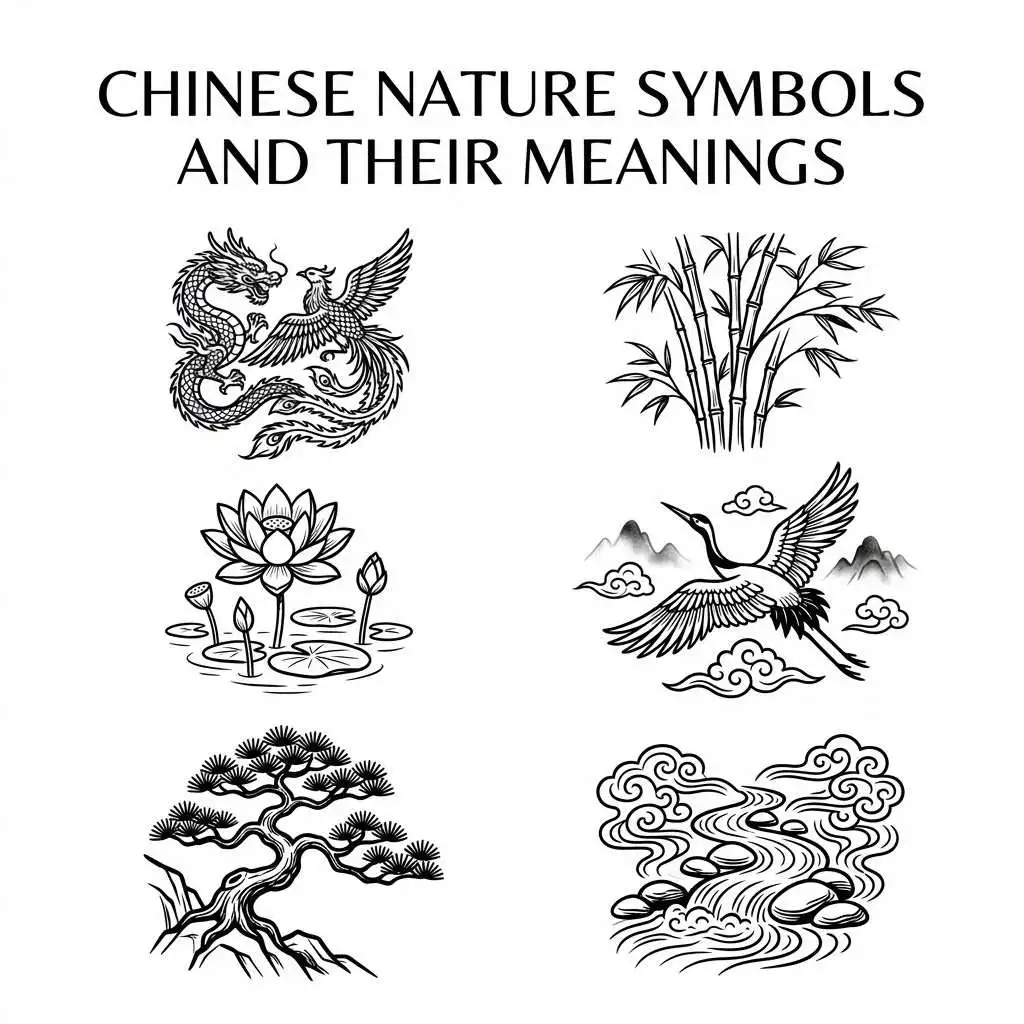
Nature deeply influences Chinese philosophy and symbolism.
Bamboo Symbol
Bamboo is one of China’s most respected symbols.
Meaning:
- Flexibility
- Endurance
- Growth
- Integrity
Bamboo bends during storms but rarely breaks, making it a powerful symbol of resilience.
Lotus Flower Symbol
The lotus grows from muddy water into a beautiful flower.
Meaning:
- Purity
- Enlightenment
- Spiritual growth
- Inner strength
Many Buddhist teachings use the lotus as a metaphor for personal transformation.
Pine Tree Symbol
Pine trees remain green throughout the year.
Meaning:
- Longevity
- Stability
- Endurance
- Wisdom
Plum Blossom Symbol
The plum blossom blooms during cold winter months.
Meaning:
- Hope
- Courage
- Renewal
- Perseverance
It reminds people that beauty and growth can emerge during difficult times.
Peach Symbol
Peaches hold a special place in Chinese mythology.
Meaning:
- Longevity
- Immortality
- Good health
- Vitality
Chinese Objects And Actions That Represent Important Meanings
Chinese Coins
Traditional coins often feature square holes in the center.
Meaning:
- Wealth
- Financial success
- Abundance
- Business growth
Many people use coin charms in Feng Shui practices.
Lanterns
Chinese lanterns symbolize celebration and guidance.
Meaning:
- Hope
- Good fortune
- Prosperity
- Family unity
Jade
Jade is considered one of China’s most precious materials.
Meaning:
- Purity
- Protection
- Wisdom
- Moral character
For centuries, jade has been associated with nobility and virtue.
Red Envelopes
Red envelopes contain money and blessings.
Meaning:
- Prosperity
- Good luck
- Success
- Positive energy
These are commonly exchanged during holidays and celebrations.
Chinese Symbols And Their Historical Significance
Yin Yang Symbol
The Yin Yang symbol is among the most famous Chinese philosophical symbols.
Meaning:
- Balance
- Harmony
- Opposite forces
- Universal connection
The symbol demonstrates how opposing energies coexist and support one another.
Examples include:
- Light and dark
- Male and female
- Activity and rest
- Strength and gentleness
Bagua Symbol
The Bagua originates from Taoist philosophy.
Meaning:
- Cosmic balance
- Universal order
- Energy flow
- Spiritual awareness
It is frequently used in Feng Shui.
Ancient Seal Characters
Seal script is one of the oldest forms of Chinese writing.
Meaning:
- Historical continuity
- Cultural identity
- Traditional wisdom
Many modern artistic symbols derive from these ancient characters.
Chinese Symbols Across Different Cultures
Chinese symbols have influenced many regions around the world.
In Asia
Chinese symbols shaped cultural traditions in:
- Japan
- Korea
- Vietnam
- Singapore
Many symbols retain similar meanings involving harmony, respect, and prosperity.
In Europe
European interest in Chinese symbols grew through trade and cultural exchange.
People often use Chinese symbols in:
- Interior design
- Fine art
- Jewelry
- Decorative objects
In The United States
Chinese symbols are commonly found in:
- Tattoos
- Fashion
- Home décor
- Wellness practices
Many Americans appreciate these symbols for their inspirational meanings.
In Africa
Chinese cultural influence continues to grow through education, business, and cultural exchange, increasing interest in traditional symbols and philosophies.
Spiritual Meaning Of Chinese Symbols
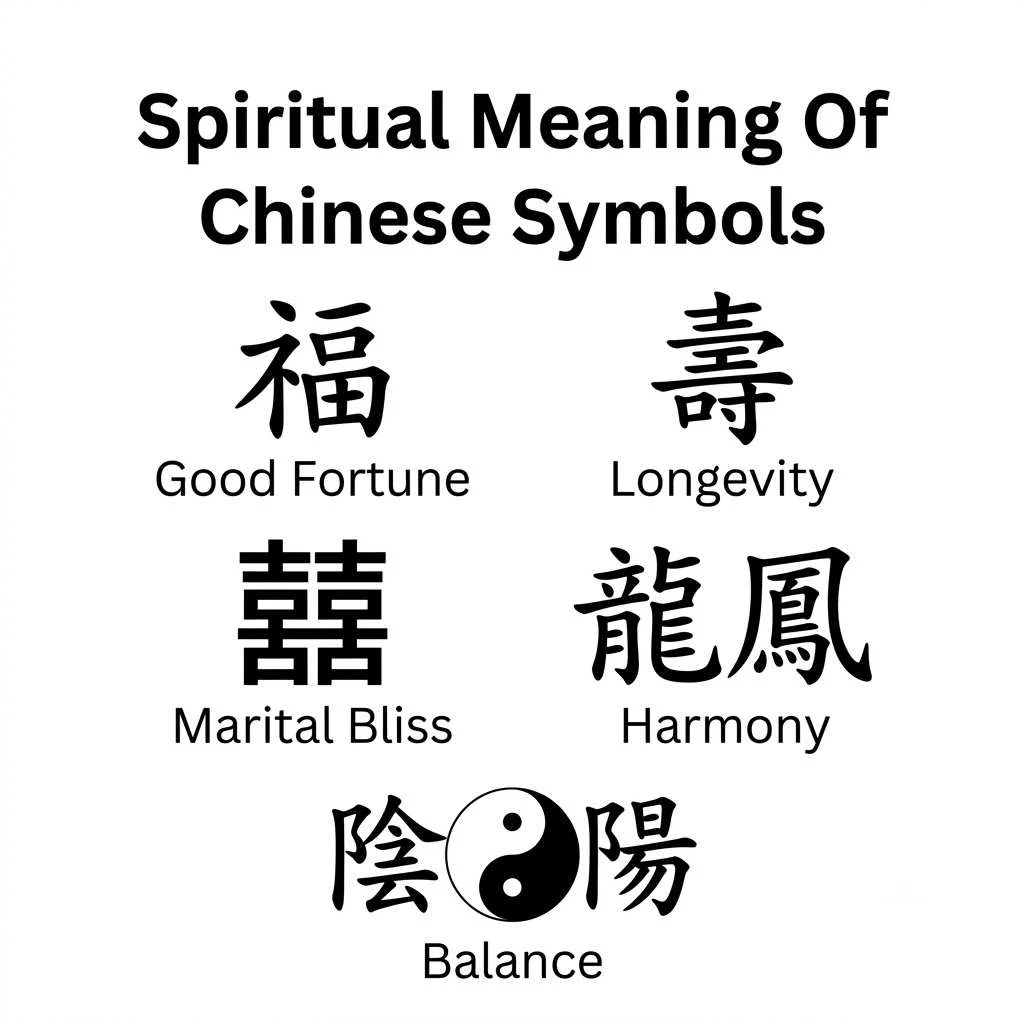
Chinese spirituality blends ideas from Taoism, Buddhism, and Confucianism.
Taoist Symbolism
Taoism emphasizes harmony with nature.
Common Taoist symbols include:
- Yin Yang
- Water
- Mountains
- Clouds
These symbols encourage balance and natural living.
Buddhist Symbolism
Buddhist symbols focus on enlightenment.
Examples include:
- Lotus flower
- Wheel symbols
- Temple imagery
These represent personal growth and wisdom.
Confucian Symbolism
Confucian traditions emphasize:
- Respect
- Family values
- Education
- Moral responsibility
Many Chinese symbols reflect these principles.
Chinese Symbolism In Literature And Culture
Chinese literature uses symbolism extensively.
Ancient poets often employed symbols to express emotions and life experiences.
Examples include:
| Symbol | Literary Meaning |
| Moon | Family reunion |
| Bamboo | Integrity |
| River | Life’s journey |
| Mountain | Stability |
| Plum Blossom | Hope during hardship |
These symbolic themes continue to appear in modern books, films, and art.
Chinese Symbols In Everyday Life
Chinese symbols remain visible throughout daily life.
Home Decorations
Families display symbols representing:
- Happiness
- Wealth
- Protection
- Longevity
Business Branding
Many companies incorporate symbolic elements to communicate:
- Trust
- Prosperity
- Success
- Strength
Festivals And Celebrations
Symbols become especially important during:
- Chinese New Year
- Weddings
- Birthdays
- Religious ceremonies
They help express blessings and positive intentions.
Chinese Symbol Tattoo Ideas And Personal Meanings
Chinese symbol tattoos remain popular worldwide because they combine beauty and meaning.
Love Symbol Tattoos
Popular meanings include:
- Romantic commitment
- Family love
- Compassion
Strength Symbol Tattoos
Common themes:
- Courage
- Determination
- Personal growth
Wisdom Symbol Tattoos
Chosen by individuals seeking:
- Knowledge
- Spiritual awareness
- Self improvement
Fortune Symbol Tattoos
Often selected to represent:
- Success
- Opportunity
- Positive energy
Important Tattoo Tip
Always verify the accuracy of a Chinese character before getting a tattoo. A small mistake can completely change the meaning.
Universal Chinese Symbols Recognized Worldwide
Several Chinese symbols have become globally recognized.
Top Universal Symbols
- Yin Yang
- Dragon
- Lotus Flower
- Bamboo
- Double Happiness
- Fu Character
- Phoenix
- Jade
- Koi Fish
- Shou Character
These symbols continue to inspire people from diverse backgrounds and cultures.
How To Create Or Draw A Chinese Inspired Symbol
Creating a Chinese inspired symbol requires understanding its meaning first.
Step 1: Choose A Core Idea
Examples:
- Peace
- Love
- Wisdom
- Success
- Harmony
Step 2: Study Traditional Elements
Look at:
- Calligraphy styles
- Ancient seal designs
- Nature symbols
- Cultural motifs
Step 3: Keep The Design Simple
Effective symbols are easy to recognize and remember.
Step 4: Add Meaningful Shapes
Consider incorporating:
- Circles for unity
- Flowing lines for energy
- Bamboo patterns for resilience
- Lotus petals for growth
Step 5: Preserve Cultural Respect
Always learn the original meaning before adapting traditional Chinese symbols.
Interesting Facts About Chinese Symbols
Chinese Characters Are Ancient
Some Chinese writing systems are more than 3,000 years old.
Numbers Carry Symbolic Meanings
The number 8 symbolizes prosperity because its pronunciation resembles words associated with wealth.
Colors Have Symbolic Power
- Red symbolizes luck and happiness.
- Gold symbolizes wealth.
- Black symbolizes strength.
- White traditionally relates to mourning and remembrance.
Symbolism Influences Architecture
Many traditional buildings use symbolic placement and design principles to encourage harmony and prosperity.
Frequently Asked Questions
What Is The Most Popular Chinese Symbol?
The Fu symbol (福), meaning good fortune and blessings, is among the most widely recognized Chinese symbols.
What Does The Chinese Dragon Symbolize?
The Chinese dragon symbolizes power, wisdom, protection, leadership, and success.
Is Yin Yang A Chinese Symbol?
Yes. Yin Yang is a classic Chinese philosophical symbol representing balance and harmony between opposing forces.
What Does Bamboo Symbolize In Chinese Culture?
Bamboo symbolizes resilience, flexibility, integrity, and personal growth.
Are Chinese Symbol Tattoos Accurate?
They can be accurate if researched carefully. It is important to confirm the correct character and meaning before choosing a tattoo design.
Conclusion
Chinese symbols and meanings offer far more than beautiful designs. They carry centuries of wisdom, cultural identity, spiritual insight, and emotional significance. From the powerful dragon and graceful phoenix to the meaningful characters for fortune, happiness, and longevity, each symbol tells a unique story about human hopes and values.
Understanding these symbols helps us appreciate Chinese culture on a deeper level while discovering universal lessons about strength, balance, resilience, and personal growth. Their enduring popularity proves that meaningful symbols continue to connect people across generations and cultures.

Andrew Clark is a dedicated writer and researcher with a deep passion for symbols, their hidden meanings, and the stories they carry across cultures and time. With years of study and curiosity-driven exploration, he simplifies complex symbolic concepts into clear and engaging insights that help readers connect with deeper meanings in everyday life.
He is the author of “Hidden Codes of Human Symbols” and “The Secret Patterns of Ancient Signs”, two original works that explore the spiritual, historical, and psychological layers behind symbols. His writing blends clarity with depth, making even the most complex symbolic interpretations feel simple and meaningful.
Through his work on this website, Andrew aims to guide readers toward understanding the true essence of symbols, whether they appear in dreams, ancient traditions, or modern life. His goal is simple: to help you see beyond the surface and discover the powerful messages hidden in plain sight.
 Sophia Bennett
 Ryan Scott