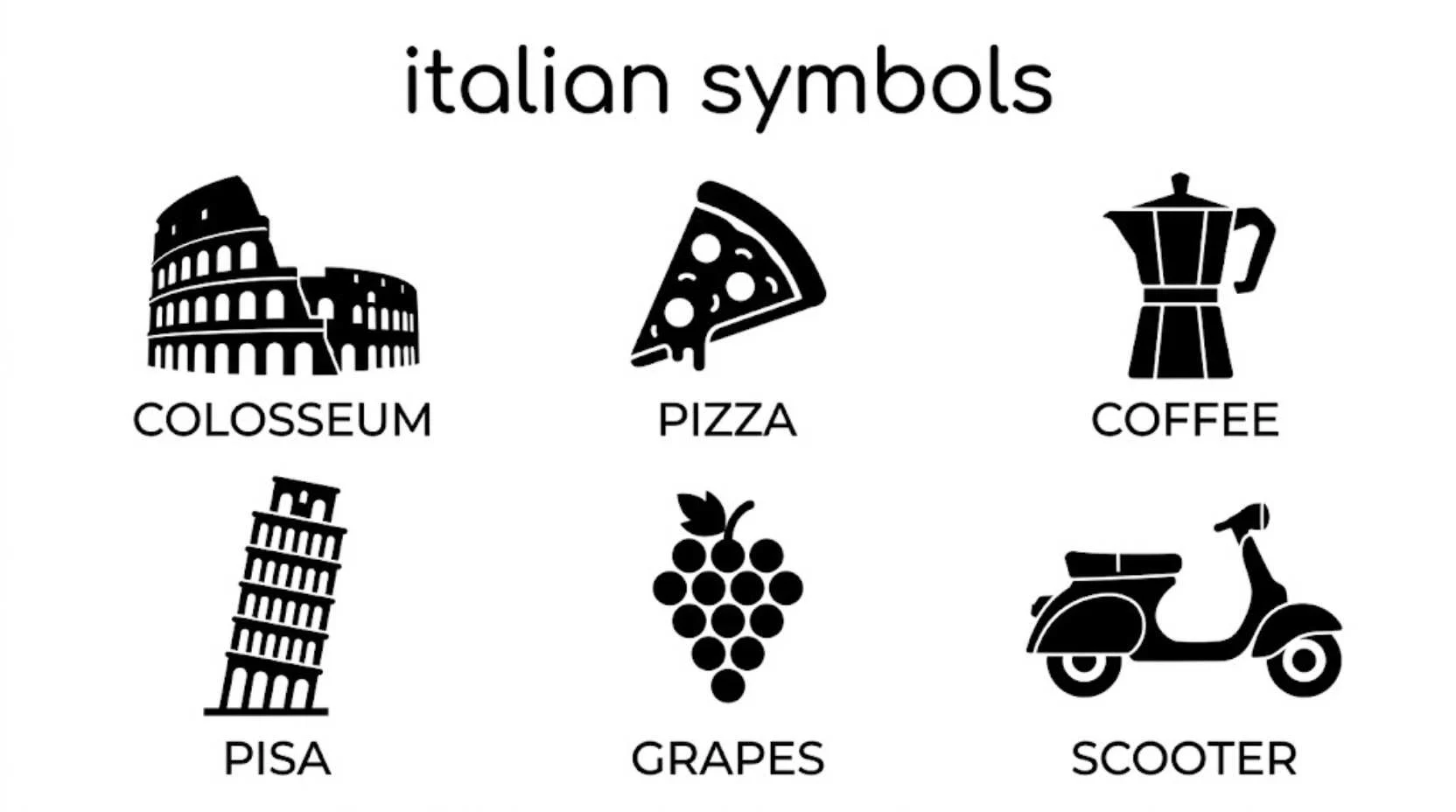
“Italian symbols” are more than just images, objects, or designs. They carry centuries of emotion, history, pride and identity that reflect the soul of Italy.
From ancient Roman heritage to modern lifestyle icons, Italian symbols connect people across generations and cultures. When you explore Italian symbols deeply, you begin to see how a simple shape or object can represent love, power, art, faith and beauty all at once.
Italy is a country where every corner tells a story. Its symbols are not random, they are emotional markers of a civilization that shaped the world.
In this article, you will uncover hidden meanings, psychological depth, and cultural richness behind these powerful symbols that still influence global culture today.
Quick Answer
Italian symbols are visual, cultural, and historical representations that reflect Italy’s identity, heritage, and values. These include ancient Roman symbols like the laurel wreath, modern icons like the Ferrari logo, religious symbols tied to Catholic tradition, and cultural items like pizza, Vespa scooters, and the Colosseum.
They represent themes such as:
- Power and leadership from ancient Rome
- Art, beauty, and creativity from the Renaissance
- Family, food, and lifestyle from modern Italy
- Faith and spirituality from Catholic influence
In short, italian symbols are a blend of history, emotion, and national pride expressed through objects, images, and traditions.
What Makes Something a Symbol of Italian Culture?
Not everything becomes an Italian symbol. A symbol earns meaning through history, emotional connection, and cultural repetition.
Key factors include:
- Historical importance: Connected to Rome, Renaissance, or Italian unification
- Cultural identity: Represents Italian lifestyle or values
- Global recognition: Known worldwide as “Italian”
- Emotional meaning: Represents pride, beauty, or tradition
- Artistic influence: Linked to architecture, design, or creativity
For example, the Colosseum is not just an ancient structure. It represents Roman strength, engineering genius, and Italy’s historical legacy.
Most Famous and Iconic Italian Symbols
Italy has many globally recognized symbols that instantly remind people of its culture.
1. The Italian Flag
The green, white, and red flag represents:
- Green: Hope and nature
- White: Peace and faith
- Red: Sacrifice and love
2. The Colosseum
A symbol of ancient Roman power, gladiator history, and architectural mastery.
3. Pizza and Pasta
These are not just food items, they represent Italian hospitality, simplicity, and family bonding.
4. Ferrari
Represents speed, luxury, engineering excellence, and Italian innovation.
5. Vespa Scooter
A symbol of freedom, youth, and Italian street lifestyle.
6. The Leaning Tower of Pisa
Represents curiosity, uniqueness, and historical architectural experimentation.
Each of these symbols carries emotional depth beyond physical appearance.
Animal and Nature Symbols in Italy
Nature also plays a strong role in italian symbols. Italy’s landscapes and wildlife have inspired meanings for centuries.
Olive Tree
- Symbol of peace, wisdom, and endurance
- Deep connection to Mediterranean life
- Represents long-lasting family roots
Wolf (Roman Wolf)
- Represents Rome’s origin myth
- Symbol of strength, survival, and protection
- Linked to Romulus and Remus story
Cypress Tree
- Symbol of mourning and eternity in Italian culture
- Often found in historical cemeteries and landscapes
Vine and Grapes
- Represents wine culture, celebration, and abundance
- Strong connection to Italian lifestyle and joy
Nature symbols in Italy often reflect harmony between human life and land.
Objects and Actions That Represent Italy
Many everyday objects have become powerful Italian symbols because of cultural repetition and global popularity.
Espresso Coffee
Represents:
- Energy and social life
- Daily ritual of connection
- Fast yet meaningful lifestyle moments
Gondola in Venice
Symbolizes:
- Romance and elegance
- Artistic travel culture
- Historical Venetian identity
Hand Gestures
Italian hand movements are symbolic of:
- Expression and emotion
- Passionate communication
- Cultural identity and personality
Fashion Design
Italy is a global leader in fashion:
- Symbol of elegance and luxury
- Creativity and craftsmanship
Ancient and Cultural Symbols of Italy
Italy’s deepest symbolic roots come from ancient Rome and the Renaissance period.
SPQR
- Means “Senatus Populusque Romanus”
- Symbol of Roman authority and governance
Laurel Wreath
- Symbol of victory and honor
- Worn by Roman emperors and poets
- Still used in academic and sports achievements
Roman Numerals
- Symbol of ancient knowledge and structure
- Still used in clocks, monuments, and books
Renaissance Art Symbols
- Light represents knowledge
- Human body represents perfection
- Perspective represents scientific thinking
These symbols shaped not only Italy but also Western civilization.
Spiritual Meaning and Deeper Interpretation of Italian Symbols
Italian symbols also carry spiritual and emotional depth, especially due to strong Catholic influence.
- Cross symbols represent faith, sacrifice, and hope
- Saint imagery represents protection and guidance
- Church architecture symbolizes connection between heaven and earth
- Fresco paintings reflect divine storytelling
Psychologically, these symbols create feelings of safety, belonging, and moral structure. They also represent a deep connection between human life and spirituality.
Symbolism in Italian Literature and Culture
Italian literature and culture use symbols to express emotions and human experiences.
In works from Dante Alighieri, symbols like light and darkness represent:
- Good vs evil
- Knowledge vs ignorance
- Salvation vs suffering
In modern Italian culture:
- Love is often symbolized through food sharing
- Cities like Rome symbolize eternal life
- Venice symbolizes romantic escape
Italian storytelling often blends reality with symbolic meaning, making emotions more powerful and visual.
Symbols in Everyday Italian Life
Italian symbols are not only historical, they are part of daily life.
Examples include:
- Coffee cups in morning rituals
- Family dinner tables representing unity
- Church bells marking time and tradition
- Market streets representing community life
Even small gestures like greeting with warmth or sharing food carry symbolic meaning of connection and respect.
Tattoo Ideas and Personal Meanings of Italian Symbols
Italian symbols are popular in tattoos due to their deep meaning.
Common tattoo ideas:
- Roman numerals for important dates
- Laurel wreath for success and achievement
- Colosseum for strength and heritage
- Italian flag for identity and pride
- Olive branch for peace and harmony
Each tattoo becomes a personal story that connects identity with history.
Psychologically, these symbols represent:
- Belonging
- Strength
- Memory
- Cultural pride
Universal and Most Recognized Italian Symbols
Some italian symbols are globally understood without explanation:
- Pizza representing Italian cuisine worldwide
- Ferrari representing luxury and speed
- Colosseum representing ancient civilization
- Italian flag representing national identity
- Venice representing romance and beauty
These symbols are powerful because they are emotionally universal, crossing language and cultural barriers.
How to Create or Draw an Italian Inspired Symbol?
Creating an Italian inspired symbol is about combining meaning, simplicity, and emotion.
Steps:
- Choose a core idea like love, strength, or heritage
- Add Italian cultural elements such as Roman shapes or Renaissance style
- Keep design simple but meaningful
- Use colors like green, white, and red for identity
- Include nature elements like olive branches or grapes
Example idea:
A circle containing a laurel wreath and Roman numerals can symbolize victory, time, and heritage.
Symbol creation is about storytelling, not just design.
FAQs About Italian Symbols
1. What are the most important Italian symbols?
The most important include the Italian flag, Colosseum, Ferrari, pizza, and laurel wreath.
2. What does the Italian flag symbolize?
It represents hope, peace, and sacrifice through its green, white, and red colors.
3. Why is the Colosseum an Italian symbol?
It represents Roman power, history, and architectural greatness.
4. What is the meaning of the laurel wreath?
It symbolizes victory, honor, and achievement from ancient Roman tradition.
5. Are Italian symbols used in modern culture?
Yes, they appear in fashion, food, design, tattoos, and global branding.
6. What do Italian symbols represent emotionally?
They represent pride, passion, family, beauty, and cultural identity.
Conclusion
Italian symbols carry a deep connection between history, emotion, and culture. They are not just objects or images, they are living expressions of identity and pride.
From ancient Rome to modern lifestyle, these symbols continue to influence the world in powerful ways. Understanding Italian symbols helps us see Italy not only as a country but as a timeless story of beauty, strength, and creativity.

Sophia Bennett is a passionate writer and symbol researcher who explores the deeper meanings behind ancient and modern symbols. With a strong interest in hidden messages, spiritual signs and cultural symbolism, she helps readers understand how symbols influence thoughts, emotions and everyday life.
Over the years, Sophia has dedicated her work to simplifying complex symbolic meanings into easy-to-understand insights. Her writing blends research with real-life relevance, making her content both educational and engaging for readers of all backgrounds.
She is the author of “Whispers of Hidden Symbols” and “The Silent Language of Signs”, two unique works that uncover the mystery and power behind symbols used across different cultures and traditions. Through these books, she invites readers to see the world from a new perspective, where every sign tells a story.
When she’s not writing, Sophia enjoys exploring historical texts, studying symbolic art, and discovering the unnoticed meanings hidden in everyday life.
 Ryan Scott
 Andrew Clark