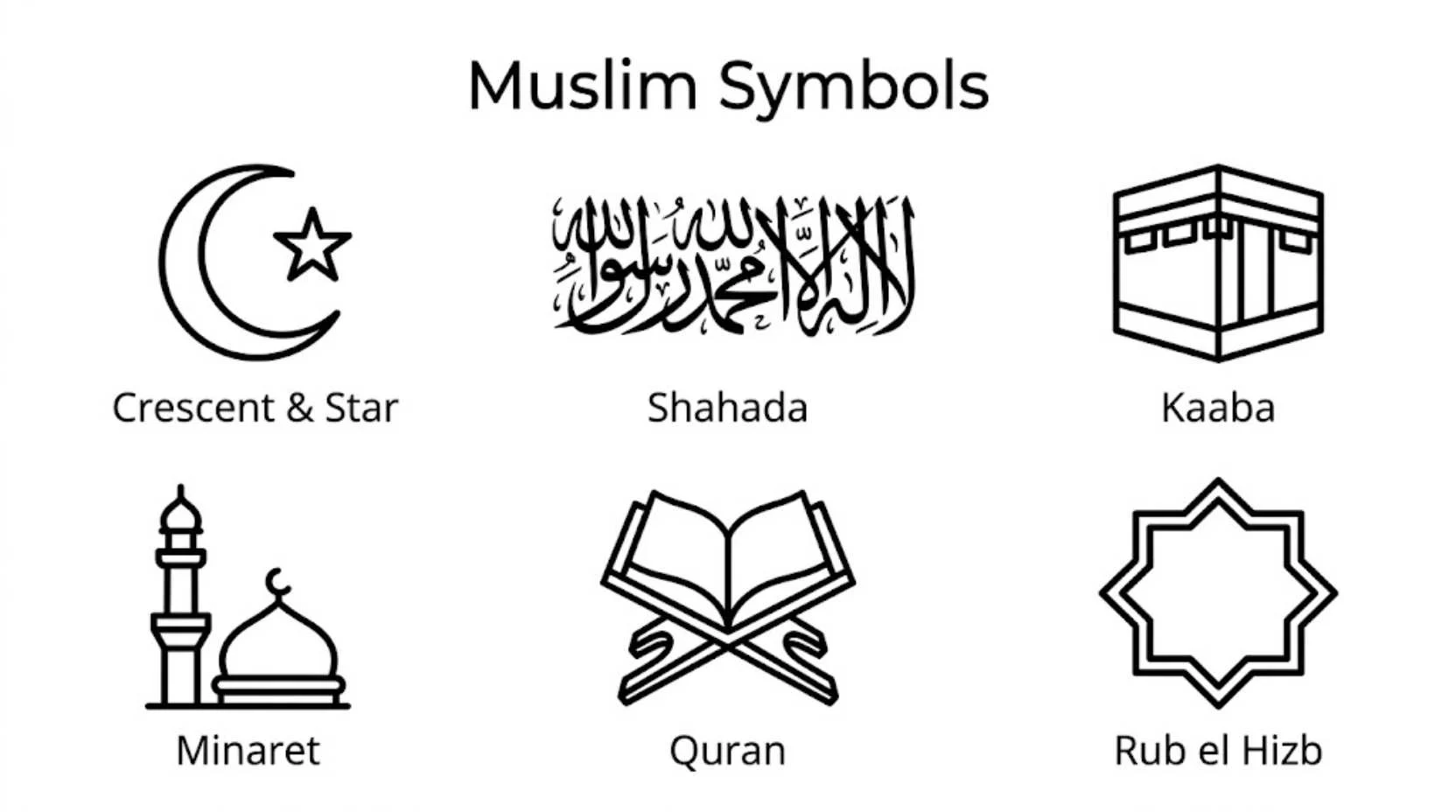
“Muslim symbols” carry deep spiritual meaning, emotional identity, and centuries of cultural history. From the crescent moon shining above a mosque to Arabic calligraphy written with devotion, these symbols connect millions of people to faith, peace, prayer and community.
Many people see these signs every day but never truly understand the stories hidden inside them. Across history, Muslim symbols have inspired art, architecture, literature, fashion, and personal beliefs.
They represent hope, guidance, unity, humility, and the relationship between humanity and God. Some symbols come directly from Islamic traditions while others grew through culture and history in different regions of the world.
This article explores the hidden meanings, origins, and emotional power behind the most famous Muslim symbols. You will discover how these symbols shape identity, inspire spiritual connection, and continue to influence modern life in ways many people never notice.
Quick Answer
Muslim symbols are visual signs, objects, patterns, words, or designs connected to Islam and Islamic culture. Common Muslim symbols include the crescent moon and star, Arabic calligraphy, prayer beads, mosques, geometric patterns, and the color green. These symbols often represent faith, spirituality, peace, guidance, unity, and devotion to Allah.
What Makes Something a Muslim Symbol?
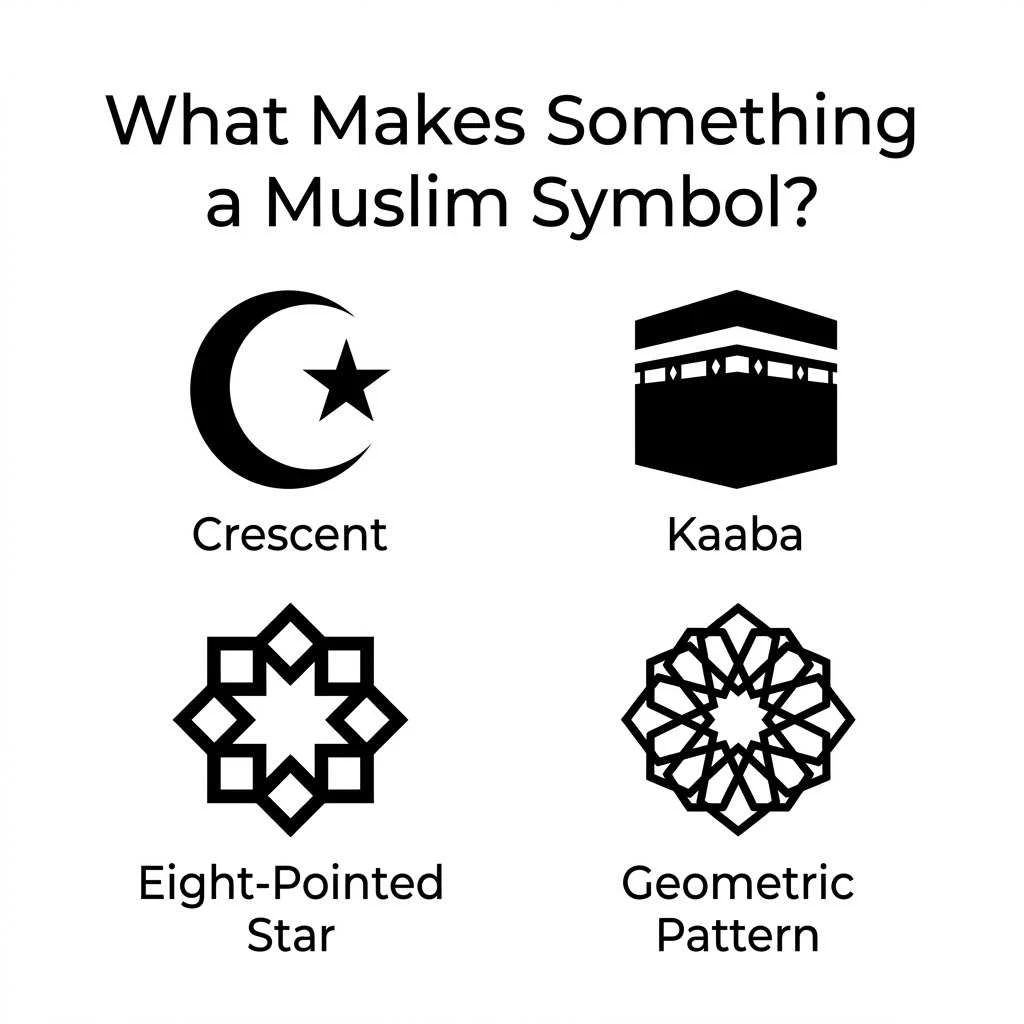
A Muslim symbol becomes meaningful when it represents Islamic beliefs, values, history, or spiritual practices. Some symbols come from religious traditions while others developed through art, architecture, and culture over centuries.
These symbols usually reflect important themes such as:
- Faith in Allah
- Prayer and worship
- Spiritual discipline
- Unity of the Muslim community
- Peace and compassion
- Knowledge and wisdom
- Eternal life and paradise
Unlike many religious traditions, Islam avoids idol worship. Because of this, Muslim symbolism often focuses on words, patterns, nature, and meaningful objects instead of human statues or sacred images.
Emotional Meaning of Muslim Symbols
Muslim symbols often create feelings of:
- Inner peace
- Hope during hardship
- Spiritual protection
- Humility
- Connection to family and tradition
- Respect for divine guidance
For many Muslims, these symbols are not just decorations. They are reminders of prayer, moral values, and purpose in life.
The Most Famous Muslim Symbols and Their Meanings
Crescent Moon and Star
The crescent moon and star are among the most recognized Muslim symbols in the world.
Although this symbol was not originally created by Islam itself, it became strongly associated with Muslim civilizations, especially during the Ottoman Empire.
Meaning of the Crescent Moon
The crescent moon represents:
- Growth and renewal
- Spiritual progress
- Guidance through darkness
- The Islamic lunar calendar
Islamic months begin with the sighting of the new moon. This gives the crescent a strong connection to Ramadan, Eid, and sacred religious events.
Meaning of the Star
The star often symbolizes:
- Divine light
- Knowledge
- Guidance
- Faith
Together, the crescent and star create a powerful symbol of hope and spiritual direction.
Arabic Calligraphy
Arabic calligraphy is one of the most beautiful forms of Islamic art. Because Islam values the words of the Quran deeply, calligraphy became a sacred artistic tradition.
Common phrases used in calligraphy include:
- Bismillah, meaning “In the name of Allah”
- Allah
- Alhamdulillah
- La ilaha illallah
Spiritual Importance
Calligraphy represents:
- Respect for divine words
- Beauty in faith
- Intellectual wisdom
- Spiritual reflection
You can find Islamic calligraphy in mosques, homes, jewelry, books, and architecture around the world.
The Kaaba
The Kaaba in Mecca is one of the holiest symbols in Islam.
Muslims around the world face the Kaaba during daily prayers. Millions also travel there during Hajj pilgrimage.
What the Kaaba Represents
The Kaaba symbolizes:
- Unity among Muslims
- Devotion to Allah
- Equality of humanity
- Spiritual center of Islam
No matter their race, language, or nationality, Muslims pray toward the same direction, creating a strong feeling of global brotherhood.
The Mosque
Mosques are more than places of worship. They symbolize community, peace, learning, and spiritual growth.
Symbolic Meaning of Mosques
Mosques represent:
- Prayer and reflection
- Unity and gathering
- Charity and kindness
- Sacred space
The dome and minaret of a mosque are recognized worldwide as visual signs of Islamic culture.
Animal and Nature Symbols in Islamic Culture
Nature plays an important role in Islamic symbolism. Many animals and natural elements appear in Islamic stories, poetry, and teachings.
The Camel
The camel symbolizes:
- Patience
- Survival
- Endurance
- Trust in difficult journeys
In desert cultures, the camel became a symbol of resilience and dependence on Allah during hardship.
The Dove
The dove represents:
- Peace
- Purity
- Divine protection
In Islamic storytelling, birds often symbolize spiritual freedom and closeness to heaven.
Water
Water is deeply sacred in Islam because it is connected to life, purification, and mercy.
Spiritual Meaning of Water
Water represents:
- Cleansing of the soul
- Renewal
- Mercy from Allah
- Spiritual purity
Before prayer, Muslims perform ablution using water, making it part of daily spiritual life.
The Date Palm Tree
The date palm is respected in Islamic tradition.
It symbolizes:
- Blessings
- Generosity
- Life and nourishment
- Hospitality
Dates are especially meaningful during Ramadan because Muslims traditionally break their fast with them.
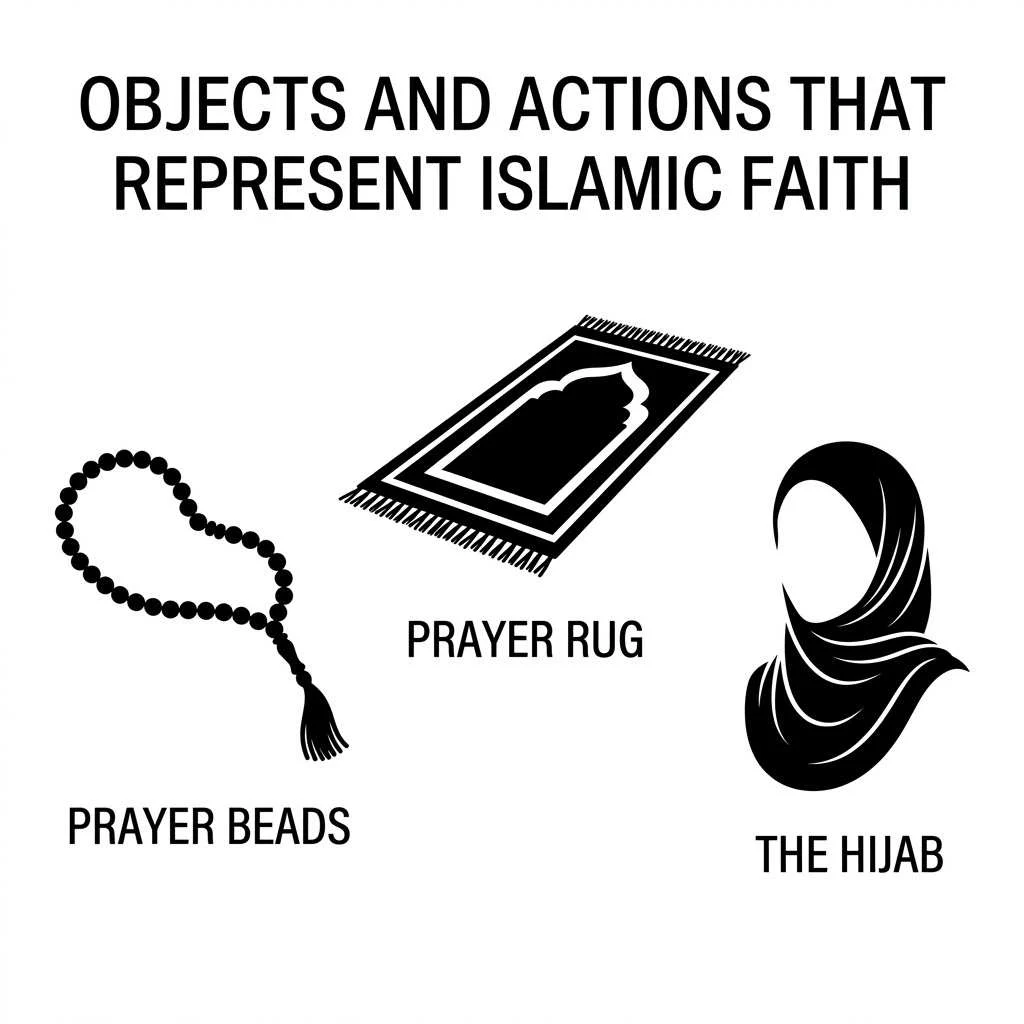
Objects and Actions That Represent Islamic Faith
Prayer Beads
Prayer beads, often called Misbaha or Tasbih, help Muslims remember Allah through repeated prayers.
Meaning of Prayer Beads
They symbolize:
- Mindfulness
- Spiritual discipline
- Calmness
- Devotion
Many people also feel emotional comfort while holding prayer beads during prayer or stress.
Prayer Rug
The prayer rug creates a clean and sacred place for worship.
It symbolizes:
- Humility before Allah
- Spiritual focus
- Personal connection with prayer
The act of kneeling on a prayer rug reminds believers of humility and gratitude.
The Hijab
The hijab carries personal, cultural, and spiritual meaning for many Muslim women.
It can represent:
- Modesty
- Faith
- Identity
- Self respect
For many women, the hijab becomes a symbol of confidence, dignity, and spiritual commitment.
Ancient and Cultural Muslim Symbols Around the World
Islam spread across Asia, Africa, Europe, and the Middle East, creating diverse cultural expressions of Muslim identity.
Islamic Geometric Patterns
Geometric designs became central in Islamic art because artists avoided creating sacred human images.
Meaning Behind Geometric Art
These patterns symbolize:
- Infinity
- Balance
- Divine perfection
- Harmony in creation
The repeating shapes remind believers of the endless nature of Allah’s wisdom.
The Color Green
Green is strongly connected with Islamic tradition.
Why Green Matters in Islam
Green symbolizes:
- Paradise
- Peace
- Life
- Prosperity
Many Islamic flags, mosque decorations, and religious artworks include green because of its spiritual significance.
Lanterns During Ramadan
Ramadan lanterns are popular in many Muslim cultures, especially in the Middle East.
They symbolize:
- Spiritual light
- Joy
- Celebration
- Guidance during darkness
The warm glow of lanterns creates feelings of comfort and togetherness during the holy month.
Spiritual Meaning of Muslim Symbols
Muslim symbols often point toward deeper spiritual truths instead of material ideas.
Unity and Oneness
One of the strongest themes in Islamic symbolism is Tawhid, the belief in the oneness of Allah.
Many Islamic patterns and symbols reflect this unity through symmetry and repetition.
Submission and Peace
The word Islam itself is connected to peace and submission to God.
Symbols in Islam frequently encourage:
- Inner calm
- Discipline
- Patience
- Trust in divine wisdom
Light as a Spiritual Symbol
Light appears constantly in Islamic teachings and art.
It represents:
- Knowledge
- Truth
- Guidance
- Divine presence
Mosques often use lamps, windows, and glowing calligraphy to create feelings of spiritual illumination.
Did You Know?
Did you know that many Islamic geometric designs can continue infinitely without repeating exactly the same form? Artists used this idea to symbolize the infinite nature of creation and divine knowledge.
Muslim Symbols in Literature and Culture
Islamic symbolism appears in poetry, storytelling, architecture, music, and philosophy.
Symbolism in Poetry
Classical Islamic poets often used symbols like:
- Roses for divine beauty
- Birds for the soul
- Gardens for paradise
- Rivers for mercy and life
These symbols created emotional and spiritual depth in literature.
Symbolism in Architecture
Islamic architecture uses symbolic design everywhere.
Examples include:
- Domes representing heaven
- Arches symbolizing gateways to spirituality
- Courtyards creating peaceful reflection spaces
Famous Islamic buildings continue to inspire artists and architects around the world.
Symbols in Modern Media
Today, Muslim symbols appear in:
- Fashion
- Jewelry
- Social media
- Home decoration
- Tattoos
- Graphic design
Modern creators often blend traditional Islamic symbolism with contemporary art styles.
Muslim Symbols in Everyday Life
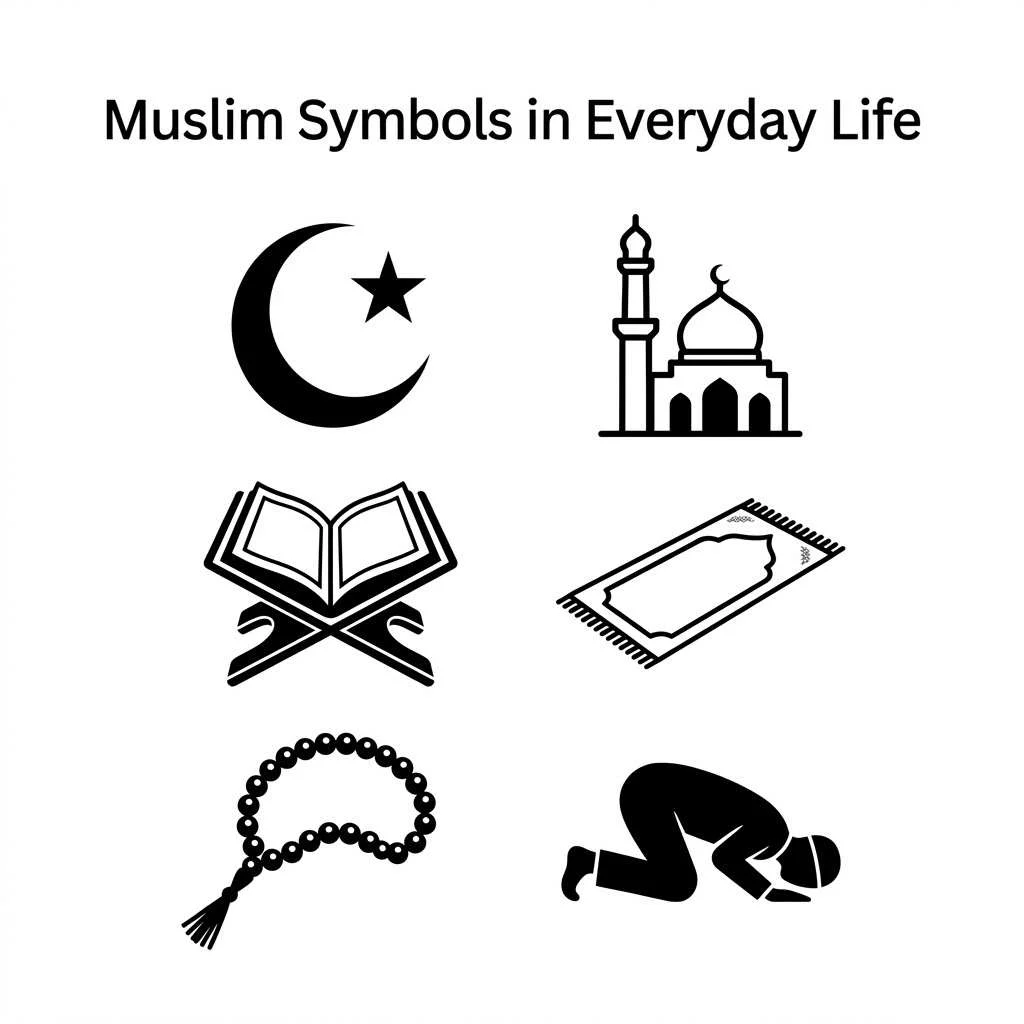
Many Muslim symbols appear naturally in daily routines and family traditions.
Everyday Examples
Common examples include:
- Saying “Bismillah” before eating
- Hanging calligraphy in homes
- Wearing crescent moon jewelry
- Using prayer mats daily
- Decorating homes during Ramadan
These small practices help people stay spiritually connected throughout everyday life.
Emotional Comfort Through Symbols
For many people, Muslim symbols provide emotional strength during difficult times.
They can remind believers of:
- Hope after hardship
- Patience during suffering
- Faith during uncertainty
- Gratitude for blessings
This emotional connection explains why symbols remain powerful across generations.
Muslim Symbol Tattoo Ideas and Personal Meanings
Although tattoo opinions differ among Muslims, Islamic inspired symbolism still influences tattoo art around the world.
Popular Muslim Inspired Tattoo Symbols
Crescent Moon Tattoo
Represents:
- Faith
- New beginnings
- Guidance
Arabic Word Tattoos
Popular choices include words meaning:
- Peace
- Patience
- Strength
- Faith
Geometric Pattern Tattoos
These symbolize:
- Balance
- Eternity
- Spiritual harmony
Important Cultural Respect
People should understand the meaning and religious importance of Islamic symbols before using them in tattoos or fashion. Respectful understanding helps avoid cultural misunderstanding.
Universal Muslim Symbols Recognized Worldwide
Some Muslim symbols are instantly recognized almost everywhere.
Top Universal Symbols
Crescent Moon and Star
The most globally recognized visual symbol connected to Islam.
Arabic Calligraphy
Seen as elegant, sacred, and artistic across cultures.
Mosque Silhouette
Represents Islamic spirituality and community.
Quran
The holy book symbolizes divine guidance and wisdom.
Prayer Position
The act of bowing in prayer symbolizes humility and devotion.
These symbols connect Muslims from different nations through shared identity and spiritual values.
How to Create or Draw a Muslim Inspired Symbol?
Creating a Muslim inspired symbol should focus on meaning, respect, and simplicity.
Step 1: Choose a Core Meaning
Decide what you want the symbol to represent:
- Peace
- Faith
- Hope
- Unity
- Patience
- Guidance
Step 2: Use Meaningful Shapes
Popular Islamic design elements include:
- Crescents
- Stars
- Circles
- Symmetrical geometry
- Arabic lettering
Step 3: Focus on Balance
Islamic art values harmony and repetition. Balanced designs often feel calm and spiritual.
Step 4: Add Symbolic Colors
Useful color ideas include:
- Green for peace and paradise
- Gold for wisdom
- Blue for calmness
- White for purity
Step 5: Keep It Respectful
Avoid using sacred phrases carelessly. Understanding the spiritual importance behind symbols is essential.
The Psychological Power of Muslim Symbols
Symbols affect human emotions deeply. Muslim symbols can create feelings of:
- Safety
- Belonging
- Calmness
- Spiritual hope
- Identity and pride
Psychologists often explain that symbols help people connect abstract beliefs to visible reality. This emotional connection strengthens memory, community, and personal values.
For Muslims living far from family or homeland, symbols can also create emotional comfort and cultural connection.
Muslim Symbols Across Different Cultures
In the Middle East
Islamic symbols are strongly connected to architecture, calligraphy, and community traditions.
In Asia
Countries like Indonesia, Pakistan, and Malaysia blend Islamic symbols with local artistic styles and colorful cultural traditions.
In Africa
African Muslim communities often combine Islamic symbolism with tribal art patterns and local craftsmanship.
In Europe and America
Muslim symbols often represent identity, diversity, and cultural pride within multicultural societies.
This global diversity shows how Islamic symbolism adapts beautifully across different cultures while preserving its spiritual roots.
FAQs About Muslim Symbols
What is the main symbol of Islam?
The crescent moon and star are the most recognized symbols associated with Islam, although Islam itself does not officially have one universal symbol.
Why is green important in Islam?
Green is connected to paradise, peace, nature, and blessings in Islamic tradition.
What does Arabic calligraphy symbolize?
Arabic calligraphy symbolizes respect for the words of Allah, spiritual beauty, wisdom, and devotion.
Are geometric patterns important in Islamic art?
Yes, geometric patterns represent harmony, infinity, divine order, and the perfection of creation.
What do prayer beads mean in Islam?
Prayer beads symbolize remembrance of Allah, mindfulness, spiritual focus, and calm reflection.
Why are Muslim symbols emotionally powerful?
They connect people to faith, family, identity, hope, and spiritual comfort, especially during difficult moments in life.
Conclusion
Muslim symbols are far more than artistic designs or cultural decorations. They carry centuries of faith, wisdom, emotion, and spiritual identity. From the crescent moon to sacred calligraphy, each symbol tells a story about hope, devotion, peace, and human connection with the divine.
These symbols continue to shape art, culture, architecture and everyday life across the world. Understanding their meanings helps people appreciate the beauty and depth of Islamic tradition on a deeper level. In a fast changing world, these timeless symbols still inspire unity, reflection, and spiritual purpose for millions of people every day.

Sophia Bennett is a passionate writer and symbol researcher who explores the deeper meanings behind ancient and modern symbols. With a strong interest in hidden messages, spiritual signs and cultural symbolism, she helps readers understand how symbols influence thoughts, emotions and everyday life.
Over the years, Sophia has dedicated her work to simplifying complex symbolic meanings into easy-to-understand insights. Her writing blends research with real-life relevance, making her content both educational and engaging for readers of all backgrounds.
She is the author of “Whispers of Hidden Symbols” and “The Silent Language of Signs”, two unique works that uncover the mystery and power behind symbols used across different cultures and traditions. Through these books, she invites readers to see the world from a new perspective, where every sign tells a story.
When she’s not writing, Sophia enjoys exploring historical texts, studying symbolic art, and discovering the unnoticed meanings hidden in everyday life.
 Ryan Scott
 Andrew Clark