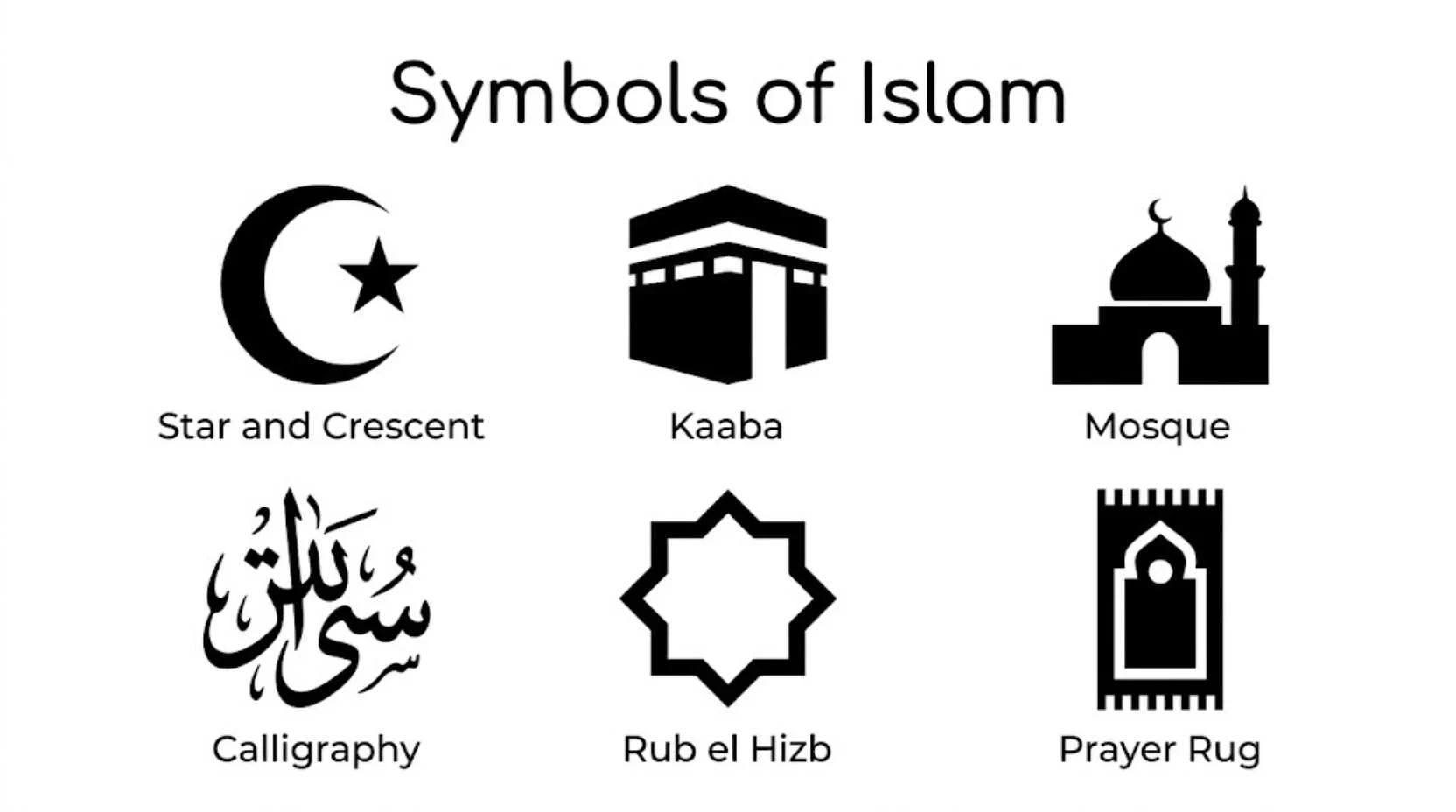
The symbols of Islam carry deep spiritual meaning, cultural beauty and centuries of history. From the crescent moon shining above mosques to Arabic calligraphy written with devotion, these symbols connect millions of people to faith, identity, peace and divine guidance.
Many people see them every day but never fully understand the emotions, beliefs, and traditions hidden inside them. Across human history, symbols have shaped civilizations, inspired art, and united communities.
Islamic symbols are especially powerful because they are linked to prayer, knowledge, compassion, and the relationship between humanity and God. Some symbols are ancient, some are cultural, and others come from nature itself.
This article explores the meaning of symbols in Islam, their origins, spiritual interpretations, psychological impact, and their place in everyday life around the world. You will also discover hidden meanings, famous Islamic symbols, tattoo ideas, artistic traditions, and fascinating cultural insights that many people never notice.
Quick Answer
The most recognized symbols of Islam include the crescent moon and star, Arabic calligraphy, prayer beads, the Kaaba, mosques and the color green. These symbols represent faith, unity, guidance, spirituality, peace and devotion to Allah. Some symbols come directly from Islamic traditions, while others developed through history and culture across the Middle East, Asia, Africa and Europe.
What Makes Something a Symbol of Islam?
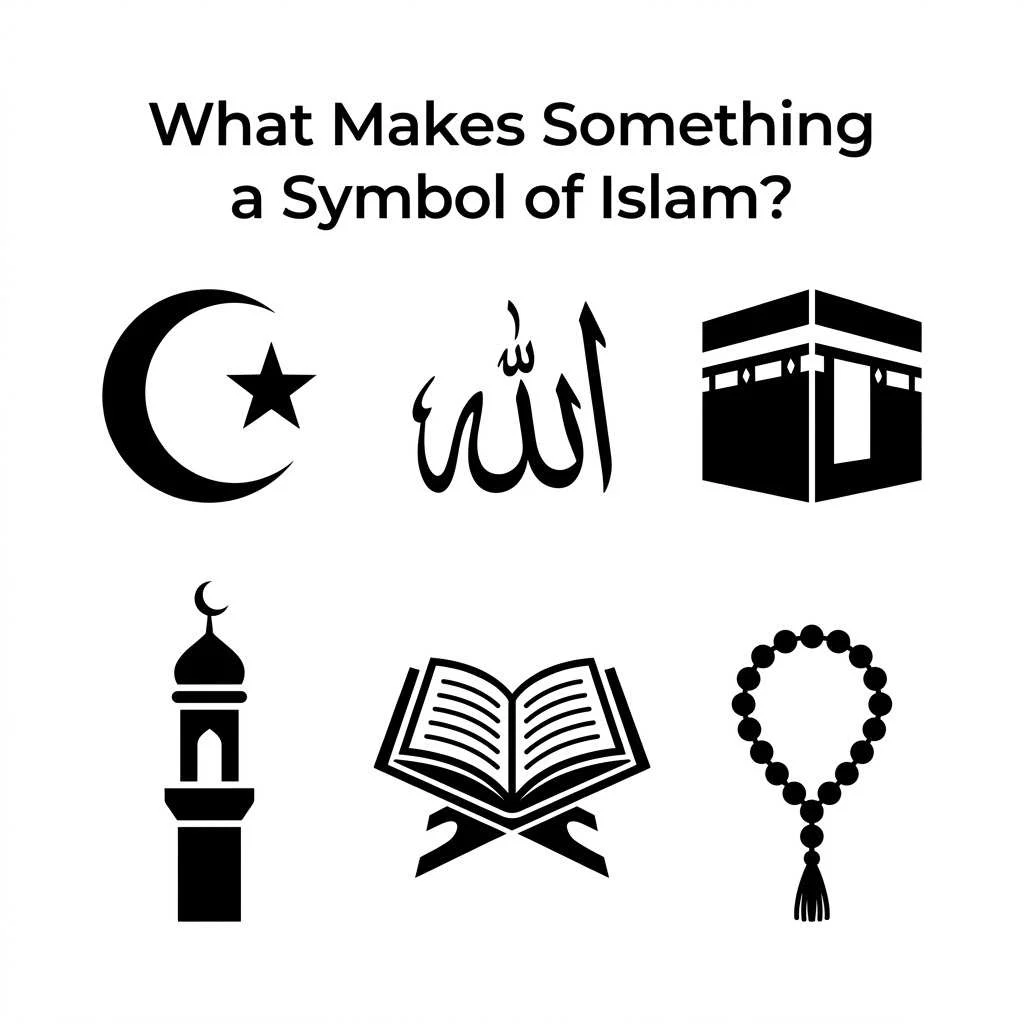
A symbol becomes connected to Islam when it reflects Islamic beliefs, spiritual practices, cultural identity, or historical traditions. Unlike some religions that officially use one universal symbol, Islam has many meaningful symbols shaped by centuries of faith and civilization.
Islamic symbols usually represent:
- Unity with Allah
- Prayer and worship
- Spiritual purity
- Divine guidance
- Knowledge and wisdom
- Compassion and peace
- Community and brotherhood
Many Islamic symbols are rooted in emotional and psychological meaning. For believers, these symbols create feelings of comfort, hope, discipline, and spiritual connection.
The Crescent Moon and Star
Meaning of the Crescent Moon
The crescent moon is one of the most famous symbols of Islam. It is commonly seen on mosque domes, Islamic flags, jewelry, and religious decorations.
Psychologically, the moon symbolizes:
- Renewal
- Reflection
- Guidance in darkness
- Spiritual rhythm
The Islamic calendar follows lunar cycles, which gives the moon deep importance in Muslim life. Important events such as Ramadan and Eid begin with the sighting of the crescent moon.
Meaning of the Star
The star beside the crescent often represents:
- Light
- Divine knowledge
- Guidance
- Hope
Some historians believe the crescent and star became popular during the Ottoman Empire, then spread across the Muslim world.
Cultural Meaning Around the World
- In Turkey, the crescent became a national identity symbol.
- In South Asia, it represents Islamic unity.
- In parts of Africa, it symbolizes spiritual protection.
- In Europe and America, it is widely recognized as a sign of Muslim identity.
The Kaaba as a Sacred Symbol
Why the Kaaba Is Important
The Kaaba in Mecca is one of the holiest symbols in Islam. Muslims around the world face toward it during prayer.
The Kaaba represents:
- Unity of believers
- Direction in life
- Spiritual focus
- Equality before Allah
Every year, millions of Muslims perform Hajj and circle the Kaaba in worship. This act symbolizes the unity of humanity around one Creator.
Emotional Meaning
For many Muslims, seeing the Kaaba creates intense feelings of peace, humility, and spiritual awakening. It represents a lifelong dream and a powerful connection to faith.
Arabic Calligraphy in Islamic Symbolism
Why Calligraphy Became Important
Islamic art values the beauty of words, especially verses from the Quran. Since figurative religious imagery became limited in many Islamic traditions, calligraphy evolved into a sacred art form.
Popular Arabic phrases include:
- Bismillah
- Allah
- Alhamdulillah
- La ilaha illallah
These phrases are often displayed in homes, mosques, clothing, and artwork.
Spiritual Meaning of Islamic Calligraphy
Calligraphy symbolizes:
- Divine beauty
- Knowledge
- Sacred language
- Spiritual remembrance
The flowing shapes and balanced patterns also create a calming psychological effect. Many people describe Islamic calligraphy as peaceful and meditative.
The Color Green in Islam
Green is strongly associated with Islamic culture and spirituality.
What Green Represents
- Paradise
- Life
- Mercy
- Growth
- Peace
Many Islamic flags and mosque decorations include green because of its connection to spiritual renewal.
Historical Origins
Some Islamic traditions associate green with the Prophet Muhammad. Over time, the color became deeply linked to Muslim identity across many regions.
Global Cultural Meaning
- In the Middle East, green often symbolizes sacred spirituality.
- In Asia, it can represent harmony and renewal.
- In African Islamic communities, green symbolizes blessing and life.
The Mosque as a Symbol of Community
Mosques are more than places of prayer. They symbolize:
- Unity
- Knowledge
- Charity
- Peaceful gathering
The architecture of mosques also carries symbolic meaning.
Minarets
Minarets symbolize spiritual elevation and the call toward faith.
Domes
Domes represent:
- Heaven
- Infinity
- Divine presence
Prayer Spaces
The open prayer rows symbolize equality because all worshippers stand side by side regardless of status or wealth.
Prayer Beads and Spiritual Reflection
Islamic prayer beads, known as Misbaha or Tasbih, are used for remembrance of Allah.
Symbolic Meaning
Prayer beads represent:
- Mindfulness
- Spiritual discipline
- Inner peace
- Focus during prayer
The repetitive movement of beads has a calming psychological effect, similar to meditation practices found in many cultures.
Common Bead Numbers
- 33 beads
- 99 beads representing the names of Allah
The Quran as a Symbol of Divine Guidance
The Quran is not only a holy book but also a powerful symbol of truth and wisdom.
What the Quran Represents
- Guidance
- Mercy
- Knowledge
- Moral direction
Many Muslims treat the Quran with deep respect by placing it in clean spaces and reciting it beautifully.
Emotional Connection
Listening to Quran recitation often creates emotional feelings of comfort, peace, and reflection, even among people who do not understand Arabic.
Animal and Nature Symbols in Islam
Nature holds strong symbolic meaning in Islamic teachings.
The Camel
The camel symbolizes:
- Patience
- Survival
- Endurance
In desert cultures, camels represented life itself because they helped communities travel and survive harsh conditions.
The Dove
Doves represent:
- Peace
- Purity
- Protection
They are often associated with calmness and divine care.
Water
Water is one of the strongest spiritual symbols in Islam.
It represents:
- Purification
- Mercy
- Life
- Spiritual cleansing
Before prayer, Muslims perform ablution using water to prepare physically and spiritually.
The Date Palm
Date palms symbolize:
- Blessing
- Hospitality
- Prosperity
Dates are commonly eaten during Ramadan to break the fast.
Geometric Patterns and Islamic Art
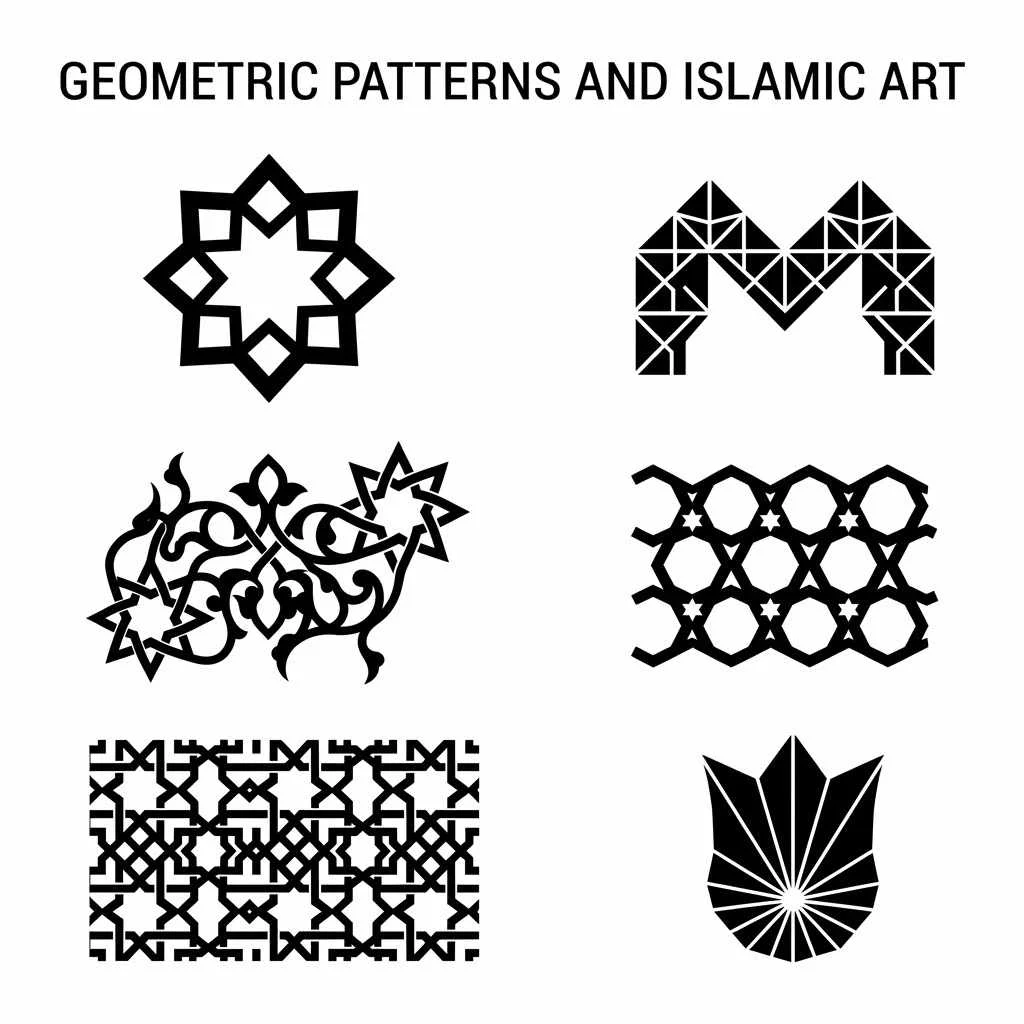
Islamic geometric designs are famous worldwide.
Why Geometry Matters
These patterns symbolize:
- Infinity
- Order in the universe
- Divine perfection
- Harmony
The repeating designs remind believers of the endless nature of creation and the greatness of Allah.
Psychological Impact
Geometric art often creates feelings of:
- Calmness
- Balance
- Mental clarity
This is one reason Islamic architecture feels peaceful and visually soothing.
Ancient and Cultural Symbols of Islam
Islam spread across many civilizations, so different cultures added their own artistic expressions.
Middle Eastern Islamic Symbols
Common symbols include:
- Crescent moon
- Lanterns
- Desert imagery
- Arabic calligraphy
Asian Islamic Symbolism
In countries like Indonesia and Pakistan:
- Floral patterns became important
- Green and white colors gained popularity
- Cultural textiles reflected Islamic identity
African Islamic Traditions
African Islamic art often combines:
- Traditional tribal patterns
- Quranic verses
- Symbolic colors representing spirituality and community
European Islamic Influence
Islamic Spain introduced:
- Geometric architecture
- Decorative tile patterns
- Scientific and artistic symbolism
Many European designs today still reflect Islamic artistic influence.
Symbols of Islam in Literature and Poetry
Islamic symbolism appears deeply in poetry and storytelling.
The Light Symbol
Light symbolizes:
- Divine truth
- Wisdom
- Hope
Writers often describe spiritual awakening as moving from darkness into light.
The Journey Symbol
Travel in Islamic literature often represents:
- Personal growth
- Spiritual discovery
- The search for truth
This symbolism appears in both classical Islamic poetry and modern literature.
Symbols of Islam in Everyday Life
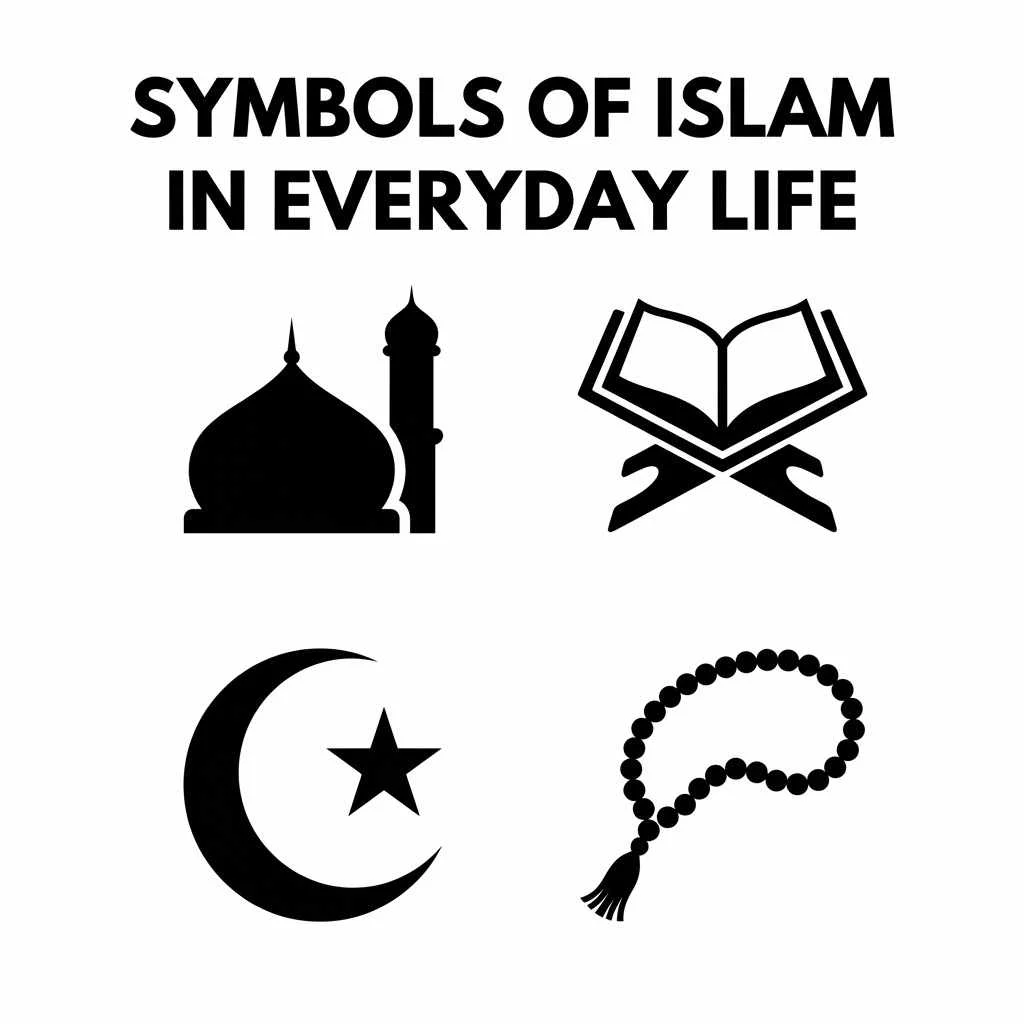
Islamic symbols appear in daily routines across the world.
Common Examples
- Prayer rugs
- Hijabs
- Mosque architecture
- Jewelry with Quranic verses
- Islamic wall art
- Eid decorations
These symbols help people stay spiritually connected in ordinary life.
Emotional Importance
For many Muslims living in non Muslim countries, Islamic symbols create a sense of belonging, identity, and comfort.
Universal Symbols Connected to Islam
Some symbols are globally recognized even by non Muslims.
Most Recognized Symbols
| Symbol | Meaning |
| Crescent Moon and Star | Faith and guidance |
| Kaaba | Unity and worship |
| Quran | Divine wisdom |
| Green Color | Paradise and peace |
| Mosque | Community and prayer |
| Arabic Calligraphy | Sacred beauty |
Tattoo Ideas Inspired by Islamic Symbols
Many people admire Islamic art for personal expression. However, tattoo practices can be sensitive in Islamic teachings, so cultural respect is important.
Popular Artistic Tattoo Inspirations
- Crescent moon patterns
- Geometric Islamic art
- Floral arabesque designs
- Minimal star symbols
- Arabic calligraphy with meaningful words
Personal Meanings
These designs often symbolize:
- Inner peace
- Spiritual searching
- Protection
- Hope
- Faith and identity
Important Cultural Note
Some Muslims avoid religious tattoos due to spiritual beliefs about body purity. Respectful understanding is essential when using Islamic inspired designs.
How to Create or Draw an Islamic Inspired Symbol?
Creating Islamic inspired art can be meaningful and calming.
Step 1: Choose a Core Meaning
Ask yourself:
- Do you want to symbolize peace?
- Unity?
- Spiritual growth?
- Guidance?
Step 2: Select Symbolic Shapes
Common Islamic inspired elements include:
- Crescents
- Stars
- Geometric circles
- Symmetrical lines
- Floral patterns
Step 3: Add Calligraphy
Simple Arabic words like:
- Salam, meaning peace
- Noor, meaning light
- Rahma, meaning mercy
can add emotional depth.
Step 4: Use Balanced Patterns
Islamic art values harmony and repetition. Keep designs clean, symmetrical, and elegant.
Step 5: Choose Meaningful Colors
- Green for peace and life
- Gold for wisdom
- Blue for calmness
- White for purity
Spiritual Meaning Behind Islamic Symbols
Islamic symbols are not just decorations. They often reflect inner spiritual truths.
Deeper Interpretations
- The moon reminds people that life moves in cycles.
- Water teaches purification and renewal.
- Geometric patterns reflect universal balance.
- Prayer beads encourage mindfulness.
- Calligraphy preserves sacred words beautifully.
These symbols help believers feel connected to something larger than themselves.
Psychological Power of Religious Symbols
Symbols affect the human mind deeply.
Islamic symbols can create feelings of:
- Safety
- Hope
- Calmness
- Identity
- Purpose
Researchers in psychology often explain that symbols help people express beliefs and emotions that words alone cannot fully describe.
FAQs About Symbols of Islam
What is the main symbol of Islam?
The crescent moon and star are the most widely recognized symbols associated with Islam, though Islam does not officially have one universal symbol.
Why is the color green important in Islam?
Green symbolizes paradise, peace, life, and spiritual renewal in many Islamic traditions.
Is the crescent moon mentioned in the Quran?
The Quran mentions the moon in relation to time and creation, but the crescent moon as a formal Islamic symbol developed later through history and culture.
Why is Arabic calligraphy important in Islam?
Arabic calligraphy preserves and honors Quranic verses beautifully. It became a major artistic tradition in Islamic civilization.
What do geometric patterns symbolize in Islam?
They symbolize infinity, divine order, harmony, and the perfection of creation.
Are Islamic symbols the same worldwide?
No. Different cultures across Asia, Africa, Europe, and the Middle East interpret and display Islamic symbols in unique ways.
Conclusion
The symbols of Islam reveal a world filled with faith, beauty, wisdom, and emotional depth. From the crescent moon to sacred calligraphy, every symbol carries layers of spiritual and cultural meaning shaped by centuries of history. These symbols connect people to identity, community, hope, and divine guidance in everyday life.
They also show how art, psychology, and spirituality can come together in powerful ways. Understanding Islamic symbols helps us appreciate not only a religion but also a rich human civilization built on meaning, reflection, and connection.

Sophia Bennett is a passionate writer and symbol researcher who explores the deeper meanings behind ancient and modern symbols. With a strong interest in hidden messages, spiritual signs and cultural symbolism, she helps readers understand how symbols influence thoughts, emotions and everyday life.
Over the years, Sophia has dedicated her work to simplifying complex symbolic meanings into easy-to-understand insights. Her writing blends research with real-life relevance, making her content both educational and engaging for readers of all backgrounds.
She is the author of “Whispers of Hidden Symbols” and “The Silent Language of Signs”, two unique works that uncover the mystery and power behind symbols used across different cultures and traditions. Through these books, she invites readers to see the world from a new perspective, where every sign tells a story.
When she’s not writing, Sophia enjoys exploring historical texts, studying symbolic art, and discovering the unnoticed meanings hidden in everyday life.
 Ryan Scott
 Andrew Clark