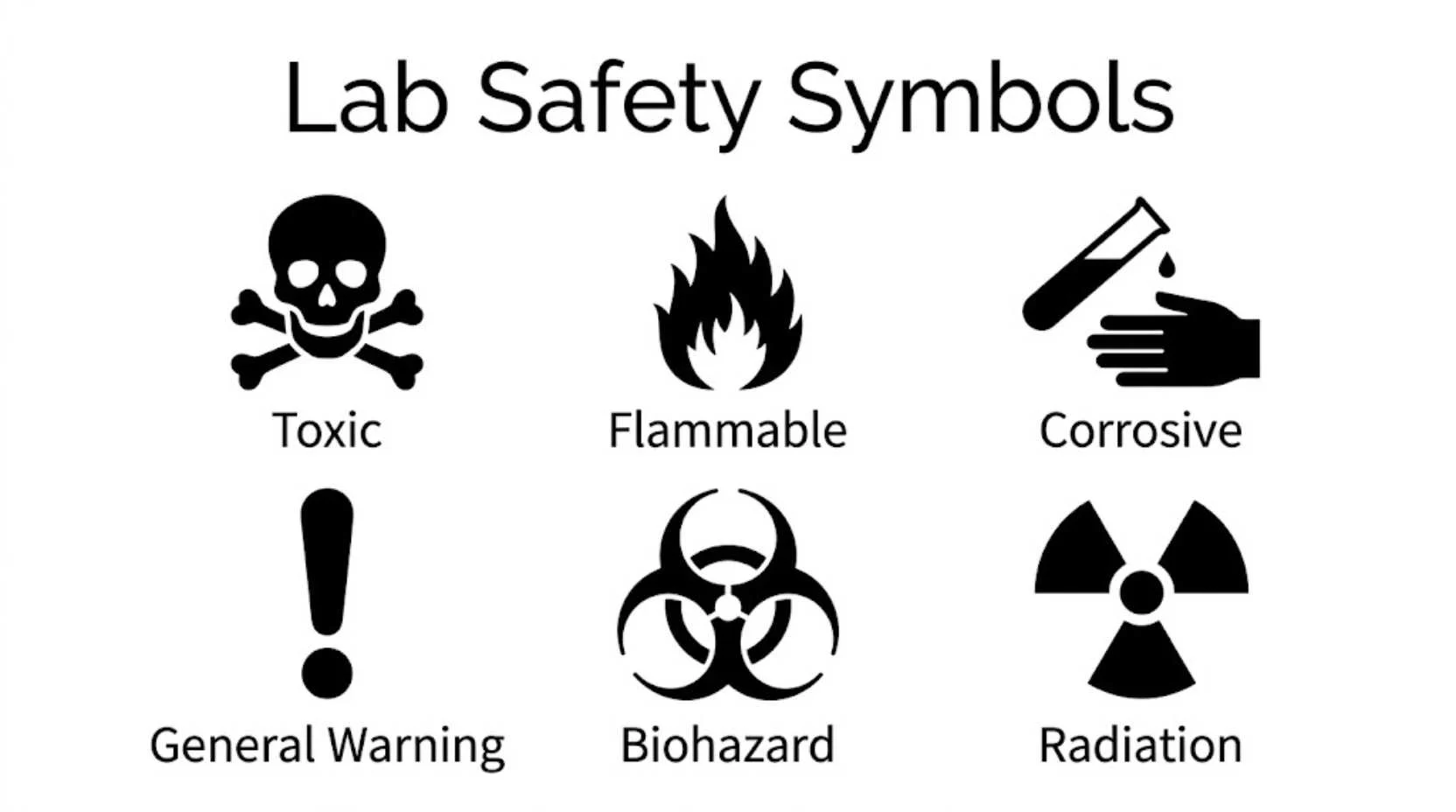
“Lab safety symbols” can save a life in a single second. One small warning sign on a chemical bottle, laboratory door, or science workstation can prevent burns, poisoning, explosions, or dangerous exposure.
These powerful symbols are more than simple images, they are a universal language of survival understood in laboratories across the world.
From schools and hospitals to advanced research centers, lab safety symbols help people recognize hidden dangers before disaster happens.
In this guide, you will discover the meaning, history, psychology, and deeper importance behind the world’s most recognized laboratory safety symbols.
Quick Answer
Lab safety symbols are visual warning signs used in laboratories to identify hazards such as toxic chemicals, fire risks, biohazards, radiation, corrosive substances, and electrical dangers. They help people quickly recognize threats, follow safety rules, and prevent accidents in scientific, medical, industrial, and educational environments.
What Makes Something a Lab Safety Symbol?
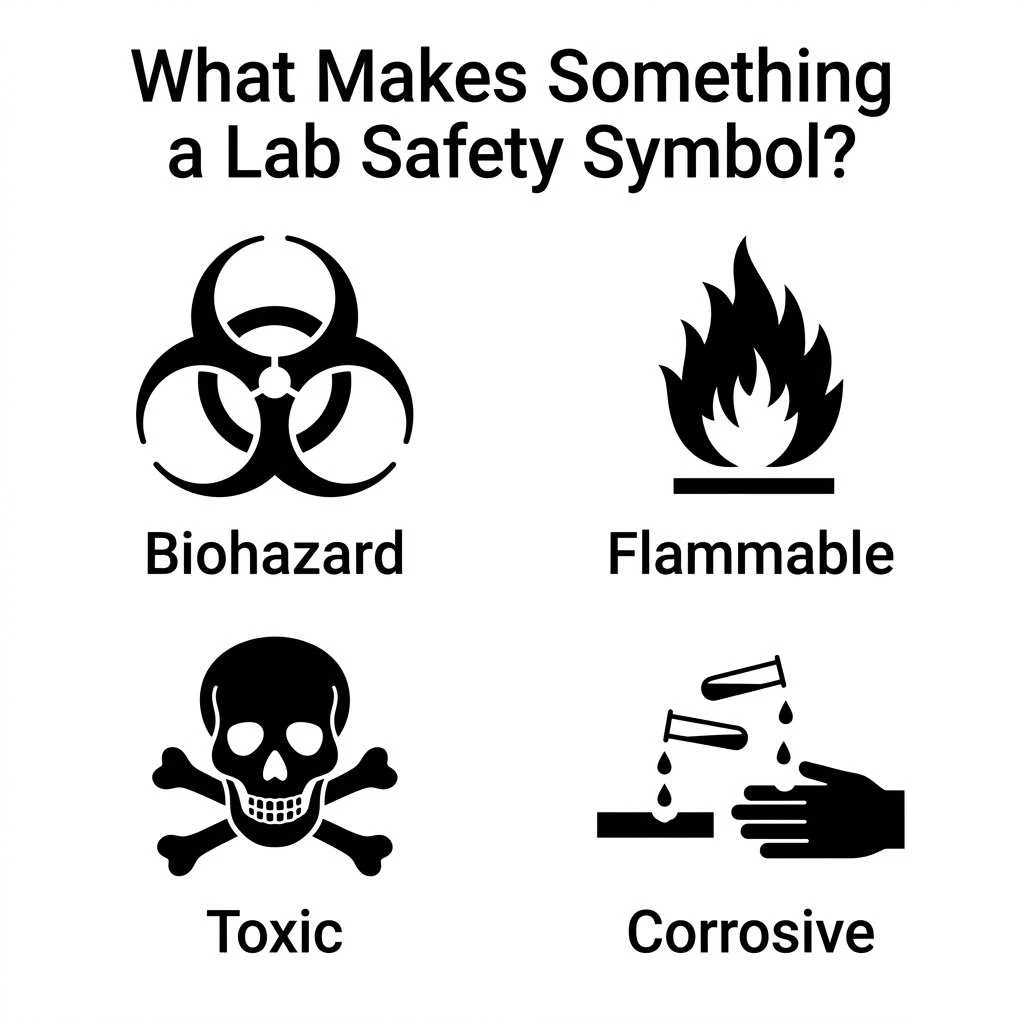
A lab safety symbol becomes effective when it communicates danger or instructions instantly without needing long explanations. These symbols rely on shape, color, and simple imagery so the human brain can react quickly during emergencies.
Common features of safety symbols include:
- Bright warning colors like red, yellow, and orange
- Bold shapes that attract attention
- Easy to understand graphics
- Universal recognition across languages
- Emotional impact that triggers caution
Psychologically, humans respond faster to visual warnings than written text. A flame symbol immediately creates alertness because the brain connects it with danger and survival instincts.
Lab symbols also work because they reduce confusion. In high stress situations, people may panic or forget instructions. A clear symbol can guide action in seconds.
Why Humans Trust Symbols?
Symbols have guided humanity for thousands of years. Ancient civilizations used visual markings to warn about dangerous places, sacred spaces, or poisonous substances. Modern laboratory symbols continue this tradition in a scientific way.
People trust symbols because they:
- Simplify complex information
- Create fast emotional reactions
- Build universal understanding
- Improve memory retention
- Increase workplace discipline
Most Famous and Universal Lab Safety Symbols
Some lab safety symbols are recognized worldwide because they appear in schools, hospitals, factories, and research facilities.
Biohazard Symbol
The biohazard symbol is one of the most famous safety icons in the world. It warns about biological materials that may contain viruses, bacteria, or harmful microorganisms.
Emotional Meaning
This symbol creates fear and caution because it represents invisible threats. Humans naturally fear diseases they cannot see.
Common Places
- Medical laboratories
- Hospital waste containers
- Research centers
- Pandemic response facilities
Did You Know?
The modern biohazard symbol was designed in 1966 to be memorable yet unique enough not to confuse people with other signs.
Radiation Symbol
The radiation symbol warns people about radioactive materials and harmful energy exposure.
Psychological Impact
This symbol often creates anxiety because radiation is silent and invisible. Many people associate it with nuclear disasters and long term health risks.
Where It Appears
- Nuclear plants
- X ray rooms
- Research laboratories
- Industrial testing areas
Flammable Symbol
The flame symbol represents materials that can easily catch fire.
Emotional Meaning
Fire has symbolized both destruction and survival throughout human history. This symbol instantly triggers alertness.
Common Examples
- Alcohol containers
- Fuel storage
- Chemical labs
- Gas cylinders
Toxic Symbol
The skull and crossbones symbol represents poison or highly dangerous chemicals.
Historical Background
Pirates made this symbol famous centuries ago, but scientists later adopted it for toxic substances because it already carried a strong message of danger.
Psychological Meaning
It activates survival instincts because humans naturally associate skull imagery with death.
Corrosive Symbol
This symbol shows chemicals damaging skin or metal surfaces.
Emotional Interpretation
It creates caution by visually showing destruction happening in real time.
Common Hazards
- Acid burns
- Chemical spills
- Skin injuries
- Equipment damage
Animal and Nature Symbols Related to Laboratory Safety
Nature has inspired many safety concepts used in laboratories today.
Snake Symbol in Medicine
The snake wrapped around a staff is linked to medicine and healing. Although not a warning sign, it symbolizes scientific knowledge and healthcare responsibility.
In ancient cultures:
- Greeks connected snakes with healing
- Egyptians viewed snakes as protection
- Asian traditions saw snakes as wisdom
Fire as a Symbol of Danger and Transformation
Flames symbolize destruction but also scientific discovery. Many laboratory experiments depend on controlled fire.
Fire emotionally represents:
- Energy
- Risk
- Change
- Power
- Human progress
Owl Symbol and Scientific Awareness
Owls often symbolize wisdom and observation in educational laboratories.
Their connection to science includes:
- Intelligence
- Night observation
- Careful attention
- Learning
Objects and Actions That Represent Lab Safety
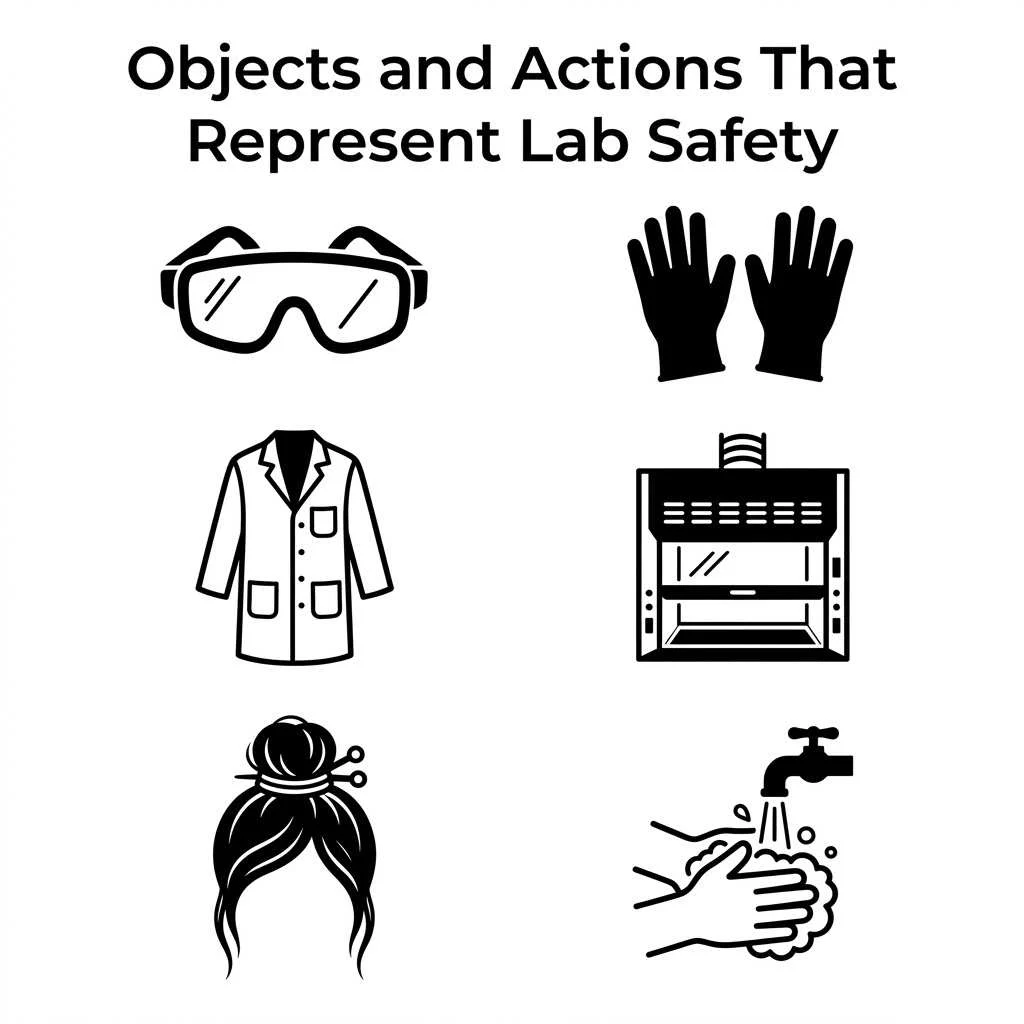
Lab safety is not only about official warning signs. Many everyday objects symbolize protection and responsibility.
Safety Goggles
Safety goggles symbolize awareness and preparation.
Psychologically, wearing eye protection changes behavior. People become more cautious because the equipment reminds them of possible risks.
Gloves
Gloves symbolize control, cleanliness, and prevention.
Different gloves represent different dangers:
- Latex gloves for biological work
- Heat resistant gloves for high temperatures
- Chemical gloves for toxic substances
Lab Coats
The lab coat has become a cultural symbol of science itself.
Emotional Meaning
It represents professionalism, intelligence, discipline, and responsibility.
Washing Hands
Hand washing symbolizes purification and prevention across many cultures.
In laboratories, it represents:
- Safety
- Clean habits
- Responsibility
- Respect for health
Lab Safety Symbols in Western Culture
In the United States and Europe, safety symbols focus heavily on legal standards and workplace regulation.
Western safety culture emphasizes:
- Personal responsibility
- Clear labeling
- Standardized warnings
- Scientific precision
Asian Perspectives on Safety Symbols
Many Asian cultures connect safety with harmony and collective responsibility.
In countries like Japan and South Korea:
- Cleanliness is deeply respected
- Organized visual systems are highly valued
- Safety training begins early in education
African Cultural Connections
Traditional African communities often used symbolic markings to identify dangerous plants, sacred locations, or unsafe areas.
Modern lab safety symbols continue the same purpose:
- Community protection
- Shared knowledge
- Survival awareness
Ancient Symbols of Protection
Long before laboratories existed, humans used symbols for protection:
- Ancient alchemy signs
- Herbal markings
- Sacred geometric patterns
- Tribal warning symbols
Modern scientific symbols evolved from humanity’s long history of visual communication.
Spiritual Meaning and Deeper Interpretation
Many people do not realize that safety symbols also carry spiritual and emotional meaning.
The Circle in Safety Design
Circles often represent unity, protection, and continuity.
In safety signs, circular designs create feelings of:
- Security
- Completeness
- Balance
Triangle Warning Signs
Triangles naturally draw attention because sharp angles signal danger.
Psychologically, triangles create tension and urgency.
Colors and Emotional Energy
Colors strongly affect human emotions.
Red
Represents:
- Danger
- Urgency
- Action
Yellow
Represents:
- Caution
- Awareness
- Alertness
Blue
Represents:
- Instruction
- Calmness
- Stability
Green
Represents:
- Safety
- Emergency exits
- First aid
Symbolism in Literature and Popular Culture
Lab safety symbols frequently appear in movies, books, games, and television.
Science Fiction and Biohazard Imagery
The biohazard symbol became popular in horror and science fiction because it instantly creates suspense.
It often represents:
- Unknown diseases
- Genetic experiments
- Human fear of contamination
Radiation Symbol in Media
Radiation imagery appears in:
- Apocalypse films
- Superhero stories
- Video games
- Survival fiction
The symbol emotionally represents uncontrolled power and hidden danger.
Laboratory Symbols in Modern Fashion
Today, safety symbols appear on:
- Streetwear clothing
- Posters
- Phone cases
- Graphic design
Many people wear them because they symbolize rebellion, intelligence, mystery, or scientific culture.
Lab Safety Symbols in Everyday Life
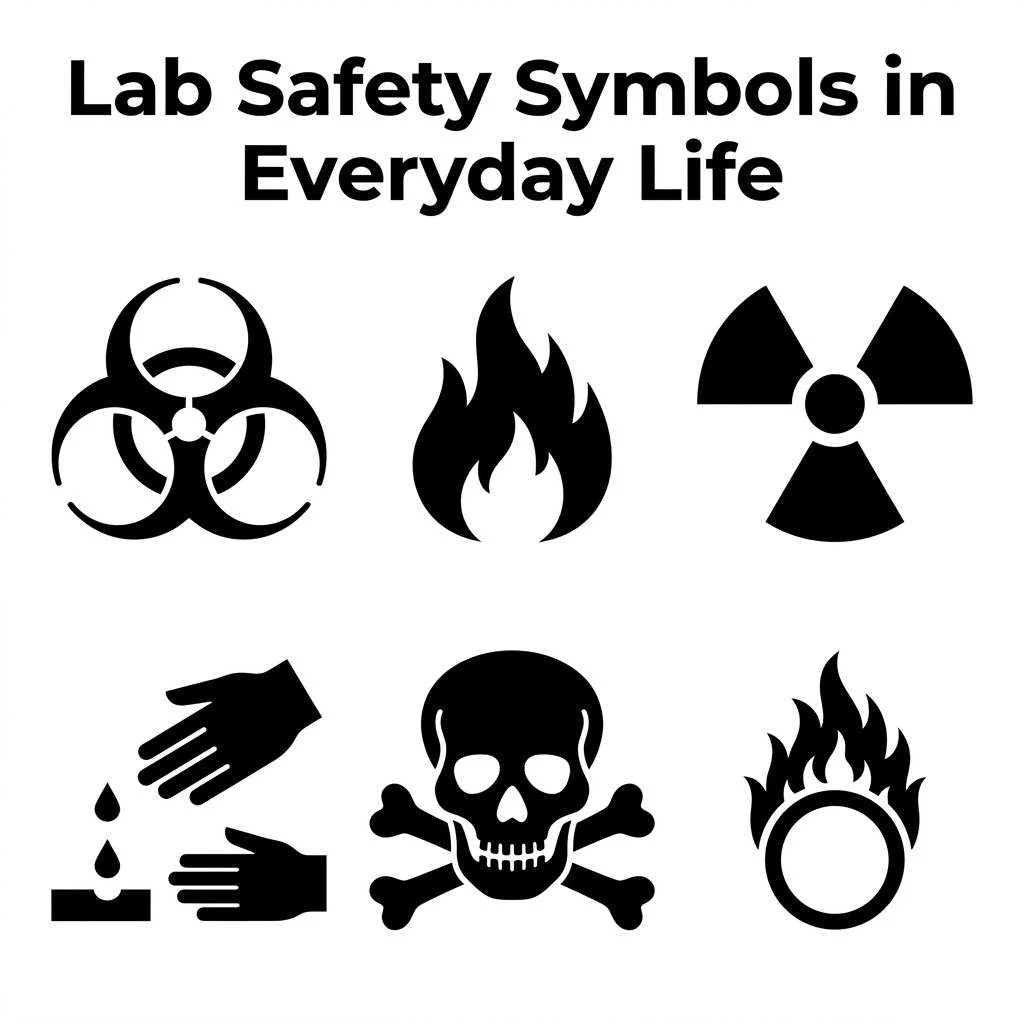
Even outside laboratories, these symbols appear regularly.
Household Products
Cleaning products often include warning symbols for:
- Toxic chemicals
- Flammable liquids
- Skin irritation
Public Spaces
You may notice safety symbols in:
- Hospitals
- Airports
- Factories
- Schools
- Construction zones
Social Media and Digital Culture
Modern emoji and warning icons are inspired by traditional safety symbols. People use them online to communicate caution quickly.
Examples include:
- Warning emojis
- Fire icons
- Hazard graphics
Tattoo Ideas and Personal Meanings
Many people choose lab safety symbols as tattoos because they carry powerful emotional meanings.
Biohazard Tattoo Meaning
A biohazard tattoo may symbolize:
- Survival through illness
- Emotional resilience
- Strength after hardship
- Fascination with science
Radiation Tattoo Meaning
Radiation tattoos often represent:
- Hidden power
- Transformation
- Personal intensity
- Fearlessness
Flame Symbol Tattoo
Flame tattoos symbolize:
- Passion
- Energy
- Change
- Inner strength
Minimalist Safety Symbol Tattoos
Simple black warning symbols are popular because they:
- Look modern
- Carry deep meaning
- Are visually powerful
- Create curiosity
Universal Lab Safety Symbols Everyone Should Know
Some symbols are considered universally essential for basic safety awareness.
| Symbol | Meaning | Common Use |
| Flame | Flammable materials | Chemical storage |
| Skull and crossbones | Toxic substances | Poison warnings |
| Biohazard | Biological danger | Medical labs |
| Radiation sign | Radioactive materials | Nuclear areas |
| Corrosive symbol | Skin or metal damage | Acid handling |
| Explosive symbol | Explosion risk | Chemical reactions |
| Electrical hazard | Shock danger | Equipment rooms |
How to Create or Draw a Lab Safety Symbol?
Creating an effective safety symbol requires simplicity and emotional clarity.
Step 1: Identify the Main Hazard
Decide what danger the symbol represents:
- Fire
- Poison
- Radiation
- Biological threat
Step 2: Choose Strong Shapes
Different shapes trigger different emotions:
- Triangles create warning feelings
- Circles suggest instruction
- Squares suggest information
Step 3: Use Recognizable Imagery
Good symbols use simple visuals people understand instantly.
Examples:
- Flames for fire
- Skulls for poison
- Broken test tubes for chemicals
Step 4: Select Powerful Colors
Color psychology is extremely important in safety communication.
Step 5: Keep It Simple
The best symbols are easy to recognize from far away and in stressful situations.
Why Lab Safety Symbols Matter More Today?
Modern laboratories handle powerful chemicals, biological materials, and advanced technologies. Safety symbols protect millions of workers, students, and researchers every day.
In today’s world, these symbols matter because:
- Scientific research is expanding rapidly
- More schools use laboratory education
- Global health risks require awareness
- Chemical products are common in homes
Without clear safety symbols, accidents would increase dramatically.
Psychological Meaning Behind Hazard Awareness
Humans are naturally drawn toward symbols that signal survival information.
Researchers have found that warning symbols:
- Improve memory
- Increase reaction speed
- Reduce risky behavior
- Create emotional caution
This is why safety signs use bold designs instead of complicated text.
Frequently Asked Questions About Lab Safety Symbols
What are lab safety symbols?
Lab safety symbols are warning signs used to identify hazards like toxic chemicals, radiation, fire risks, and biological dangers in laboratories.
Why are lab safety symbols important?
They prevent accidents, improve awareness, and help people respond quickly during emergencies.
What is the most recognized lab safety symbol?
The biohazard symbol and skull and crossbones symbol are among the most recognized safety symbols worldwide.
What colors are commonly used in safety symbols?
Red, yellow, orange, blue, and green are widely used because they create strong psychological reactions.
Are lab safety symbols universal?
Most major safety symbols follow international standards so people from different countries can understand them.
Can lab safety symbols have personal meanings?
Yes, many people connect these symbols with survival, intelligence, strength, science, and personal transformation.
Conclusion
Lab safety symbols are much more than simple warning images. They represent human survival, scientific responsibility, and universal communication. From ancient protective markings to modern laboratory systems, symbols have always guided people away from danger and toward awareness.
Every flame icon, biohazard sign, and toxic warning carries emotional and psychological meaning that helps protect lives in seconds. These symbols also influence culture, fashion, literature, and personal identity in surprising ways. Understanding them deeply not only improves safety but also reveals how humans use visual language to survive, learn, and connect across the world.

Sophia Bennett is a passionate writer and symbol researcher who explores the deeper meanings behind ancient and modern symbols. With a strong interest in hidden messages, spiritual signs and cultural symbolism, she helps readers understand how symbols influence thoughts, emotions and everyday life.
Over the years, Sophia has dedicated her work to simplifying complex symbolic meanings into easy-to-understand insights. Her writing blends research with real-life relevance, making her content both educational and engaging for readers of all backgrounds.
She is the author of “Whispers of Hidden Symbols” and “The Silent Language of Signs”, two unique works that uncover the mystery and power behind symbols used across different cultures and traditions. Through these books, she invites readers to see the world from a new perspective, where every sign tells a story.
When she’s not writing, Sophia enjoys exploring historical texts, studying symbolic art, and discovering the unnoticed meanings hidden in everyday life.
 Ryan Scott
 Andrew Clark