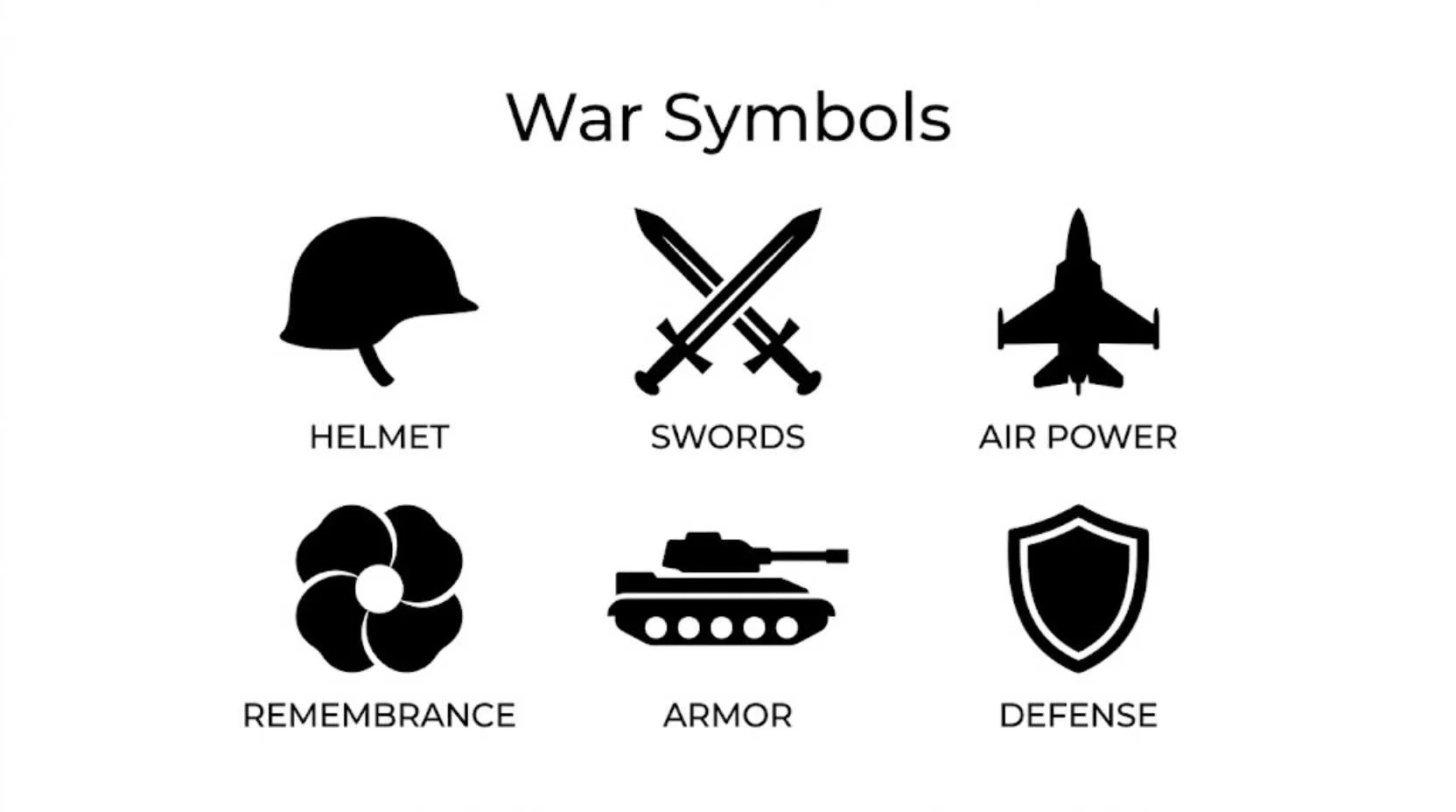
“War symbols” have shaped human history for thousands of years. From ancient battle flags to modern military emblems, these symbols carry deep emotions of courage, sacrifice, fear, victory and survival.
People see them in movies, books, tattoos, national flags, and even everyday fashion, yet many never realize the hidden meanings behind them.
Some war symbols inspire strength, while others remind us of pain and loss. Across cultures in Asia, Europe, Africa, and America, symbols connected to war tell stories of warriors, kingdoms, revolutions, and human resilience.
This guide explores the most powerful war symbols, their origins, spiritual meanings, and why they still influence modern life today.
Quick Answer
War symbols are visual signs, animals, objects, colors, gestures, or emblems that represent conflict, power, bravery, protection, sacrifice or victory. Common war symbols include swords, shields, eagles, skulls, red poppies, dragons and military flags. These symbols appear in ancient cultures, religion, literature, tattoos and modern military traditions to express strength, honor and survival.
What Makes Something a War Symbol?
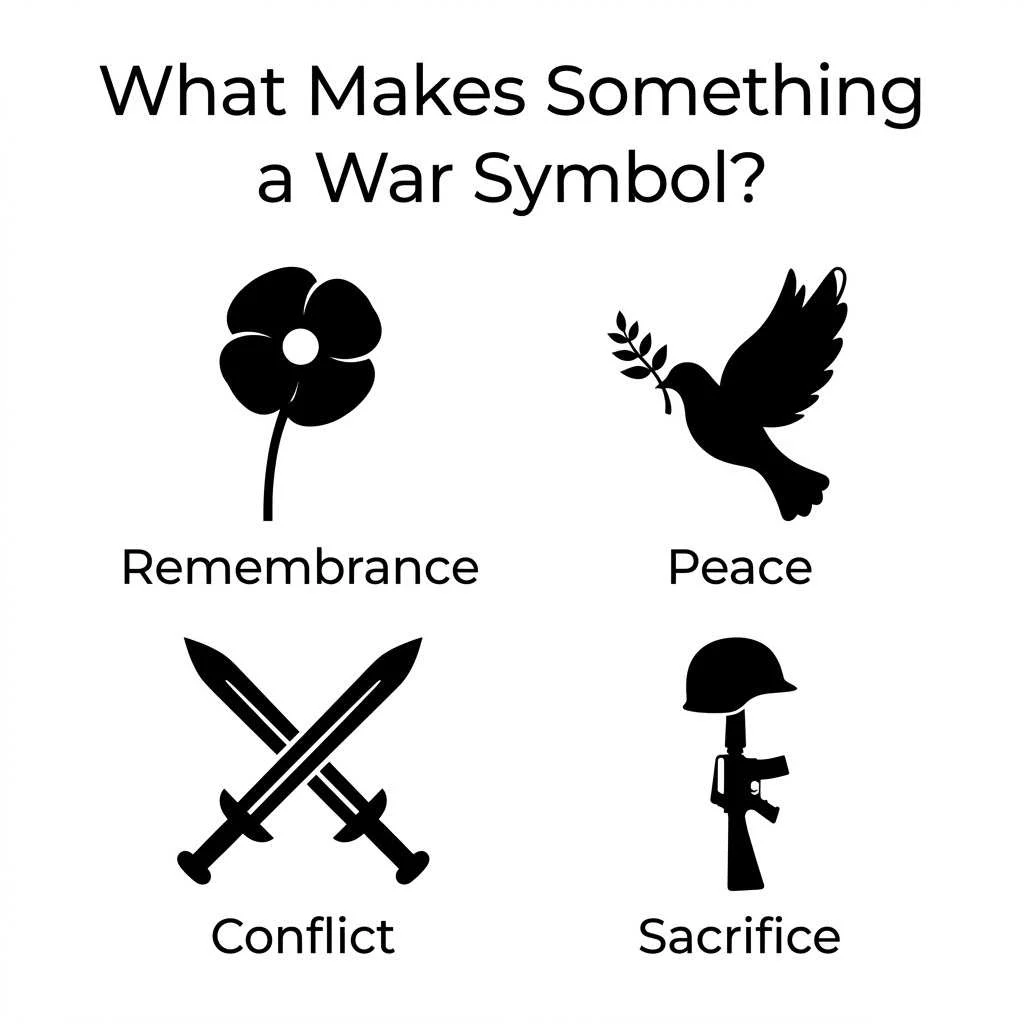
A war symbol becomes meaningful because people connect emotions, history, and cultural values to it. Symbols gain power through repeated use in battles, ceremonies, stories, and traditions.
Key qualities of war symbols
- Represent courage or aggression
- Inspire unity and loyalty
- Create fear in enemies
- Honor fallen warriors
- Reflect protection and survival
- Carry historical or spiritual meaning
For example, a sword is not just a weapon. It symbolizes authority, justice, and warrior spirit. A flag is not only fabric, it becomes the identity of an army or nation.
Psychological meaning of war symbols
War symbols strongly affect the human mind. Psychologists believe symbols work because humans naturally respond to visual signs tied to emotion and memory.
Some symbols create feelings of:
- Power
- Discipline
- Patriotism
- Fear
- Protection
- Revenge
- Hope after destruction
This emotional connection explains why ancient symbols still appear in modern military logos, films, and tattoos.
Most Famous War Symbols in History
The Sword
The sword is one of the oldest and most recognized war symbols in the world.
Meaning of the sword
- Strength
- Honor
- Justice
- Leadership
- Sacrifice
In medieval Europe, knights carried swords as signs of loyalty and bravery. In Japan, samurai swords represented discipline and spiritual focus.
Spiritual symbolism
Many cultures believed swords protected against evil forces. Some ancient warriors even named their swords because they viewed them as sacred companions.
The Shield
The shield symbolizes defense, protection, and resilience.
Ancient Greek and Roman soldiers decorated shields with terrifying images to intimidate enemies. African tribal warriors also painted symbolic patterns on shields for spiritual protection.
Emotional meaning
The shield represents:
- Safety
- Survival
- Loyalty to family and homeland
The Skull
The skull is one of the darkest war symbols.
What the skull represents
- Death
- Fearlessness
- Mortality
- Warning to enemies
Pirates famously used skull symbols on flags, but military groups also adopted them to project fear and power.
Did you know?
The skull symbol appeared on uniforms of several elite warrior groups throughout history because it reminded soldiers that death was always near.
The Red Poppy
The red poppy became a symbol of remembrance after World War I.
It represents:
- Sacrifice
- Mourning
- Respect for fallen soldiers
- Peace after war
People in many Western countries wear poppies to honor soldiers who died in battle.
The Helmet
War helmets symbolize courage and warrior identity.
Ancient Viking helmets, Spartan helmets, and samurai armor became cultural icons because they represented discipline and fearlessness.
Animal Symbols of War
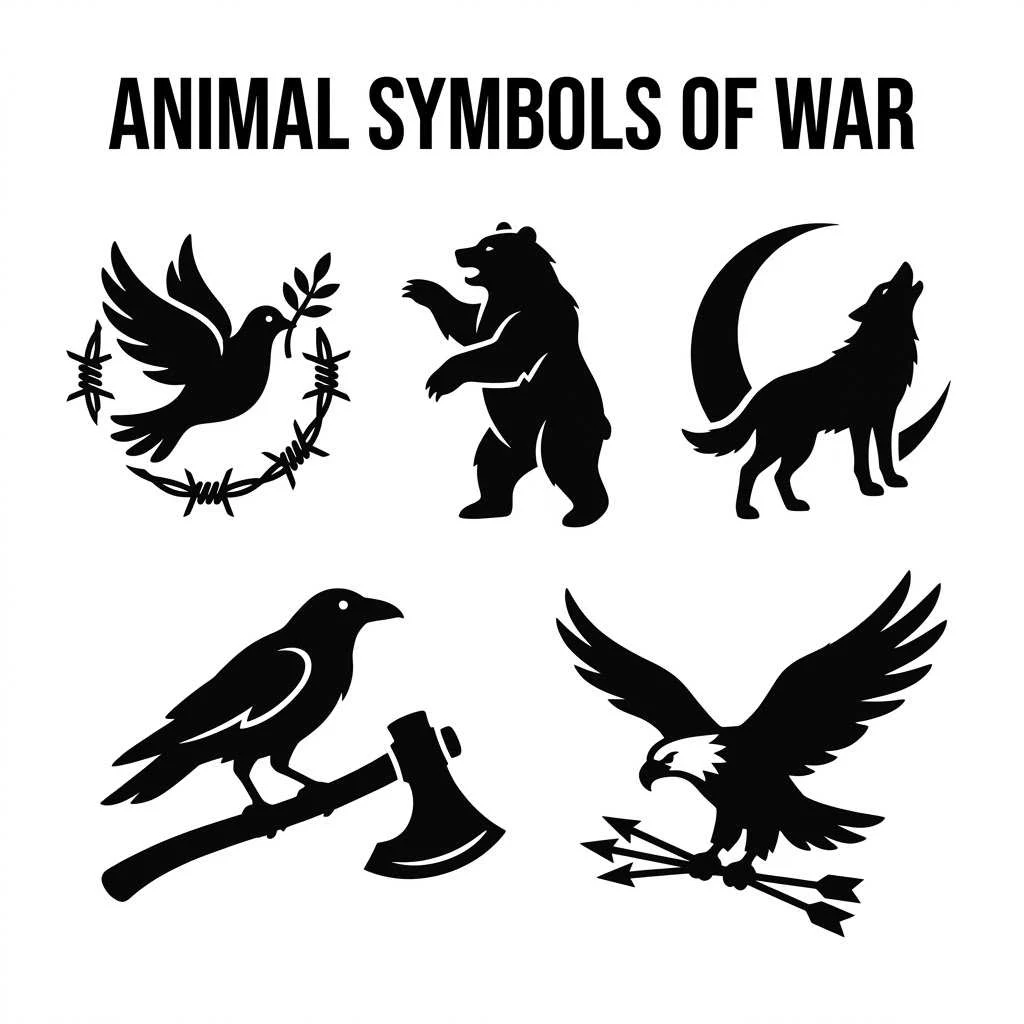
Animals have always represented power and warrior qualities. Many armies and rulers used animal imagery to inspire troops.
Eagle
The eagle symbolizes:
- Power
- Vision
- Dominance
- Victory
The Roman Empire used the eagle as a military symbol. Today, many nations still use it in military emblems.
Lion
The lion represents:
- Courage
- Royal authority
- Aggression
- Leadership
European kings often used lions on banners and shields during wars.
Wolf
Wolves symbolize:
- Teamwork
- Survival
- Tactical intelligence
In Norse mythology, wolves were connected with battle and destruction.
Dragon
Dragons are powerful war symbols in Asian cultures.
Meaning in China
- Strength
- Imperial power
- Protection
Meaning in Europe
European dragons often symbolized chaos, destruction, and deadly enemies.
This difference shows how cultures interpret symbols differently.
Horse
The horse symbolizes:
- Speed
- Freedom
- Warrior spirit
- Military power
From Mongol armies to medieval knights, horses transformed warfare across history.
Nature Symbols Connected to War
Fire
Fire symbolizes:
- Destruction
- Rage
- Transformation
- Purification
Ancient warriors viewed fire as both terrifying and sacred.
Storms and Lightning
Storm imagery represents:
- Chaos
- Divine anger
- Sudden attack
- Power beyond human control
Many gods of war in mythology controlled storms and thunder.
Blood Red Color
Red is one of the strongest war related colors.
It represents:
- Violence
- Passion
- Sacrifice
- Energy
- Courage
Military uniforms, flags, and banners often include red for psychological impact.
Objects and Actions That Represent War
Flags and Banners
Flags unite armies and create identity.
Losing a battle flag historically brought shame, while capturing an enemy flag symbolized victory.
Spears and Arrows
These weapons symbolize:
- Attack
- Precision
- Warrior skill
Many tribal societies considered spears sacred objects connected to ancestors and protection.
Drums
War drums once guided soldiers during battle.
They symbolized:
- Unity
- Fearlessness
- Momentum
The sound alone could intimidate enemies before combat even began.
Salutes
Military salutes symbolize:
- Respect
- Discipline
- Brotherhood
This simple gesture became one of the most recognized military traditions worldwide.
Ancient War Symbols From Different Cultures
Ancient Egyptian War Symbols
The ancient Egyptians used symbols connected to gods and kingship.
The Falcon
The falcon represented the god Horus and symbolized:
- Royal authority
- Protection in battle
- Divine victory
The Ankh
Though mainly linked to life, warriors also used the ankh as a symbol of spiritual survival and eternal existence.
Greek and Roman War Symbols
Spartan Helmet
The Spartan helmet became a global symbol of bravery and discipline.
Today it still appears in:
- Sports logos
- Military art
- Films
- Tattoos
Roman Eagle Standard
Roman armies marched under eagle banners called Aquila.
Losing the eagle was considered one of the greatest military humiliations.
Japanese Samurai Symbols
Katana Sword
The katana symbolized:
- Honor
- Self control
- Spiritual discipline
Samurai believed the soul of the warrior lived inside the sword.
Cherry Blossoms
Cherry blossoms became connected to samurai culture because they bloom beautifully and fall quickly.
This symbol represented:
- The temporary nature of life
- Warrior sacrifice
- Acceptance of death
African War Symbols
Many African tribes used symbolic masks, shields, and animal imagery during warfare.
Leopard Symbolism
The leopard represented:
- Strength
- Fearlessness
- Royal warrior power
Some African kings wore leopard skins to display authority and military dominance.
Native American War Symbols
Feathers
War feathers symbolized:
- Courage
- Honor
- Achievement in battle
Warriors earned feathers through acts of bravery.
Tomahawk
The tomahawk represented both war and peace depending on how it was used.
This dual meaning shows that many war symbols also carry balance and diplomacy.
Spiritual Meaning of War Symbols
War symbols are not always about violence. Many have deeper spiritual meanings connected to inner struggle and personal transformation.
The Inner Warrior
Across spiritual traditions, war often symbolizes the battle inside the human soul.
This includes struggles against:
- Fear
- Weakness
- Temptation
- Doubt
The warrior becomes a symbol of discipline and personal growth.
Protection and Guardianship
Many war symbols are also protective symbols.
Examples include:
- Shields
- Guardian animals
- Sacred weapons
- Protective amulets
People believed these symbols defended both the body and spirit.
Transformation Through Conflict
In mythology and religion, conflict often leads to rebirth and wisdom.
Fire, swords, and dragons frequently symbolize transformation through hardship.
War Symbolism in Literature and Popular Culture
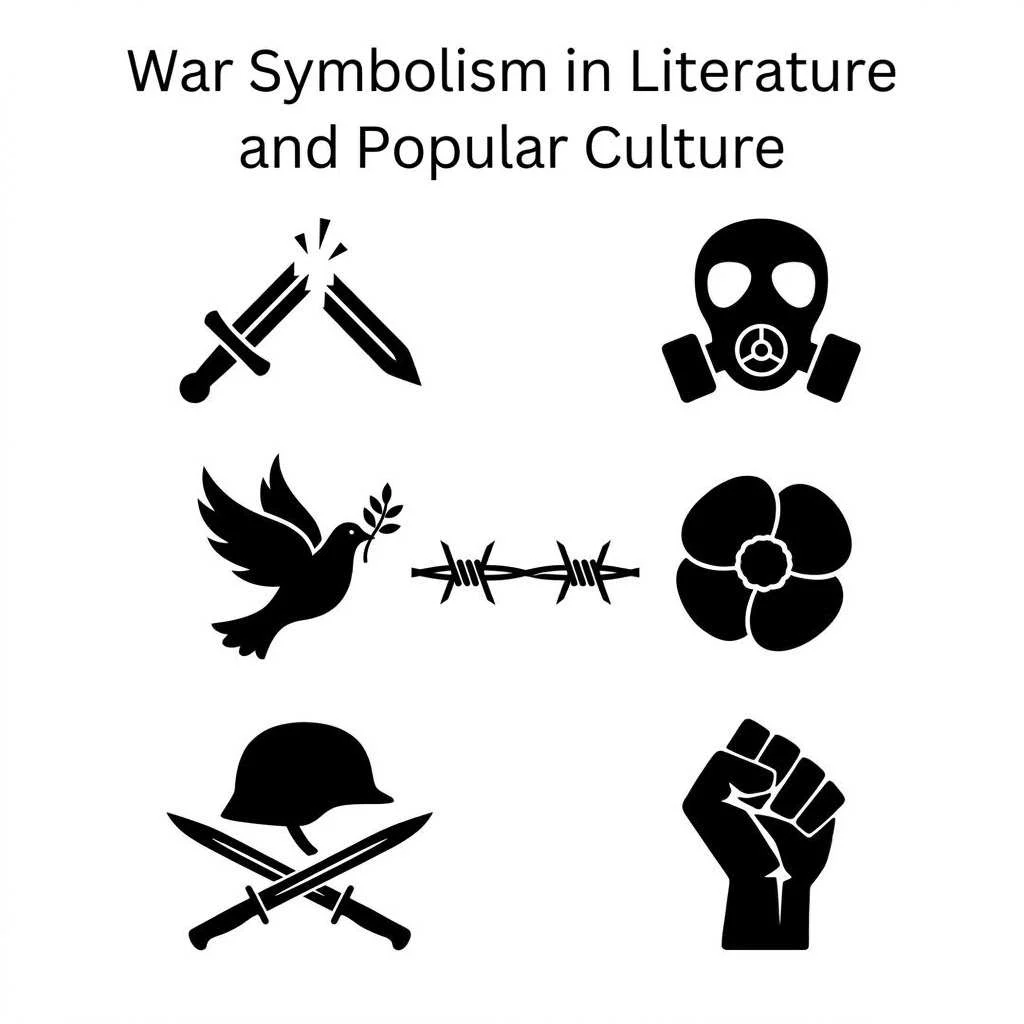
War symbols are everywhere in stories, movies, and games.
Literature
Writers use war symbols to explore themes like:
- Power
- Heroism
- Loss
- Revenge
- Freedom
For example:
- Broken swords often symbolize defeat
- Burning cities symbolize chaos
- White flags symbolize surrender and hope
Movies and TV Shows
Modern entertainment uses visual war symbols constantly.
Common examples include:
- Military insignias
- Skulls
- Armor
- Flags
- Explosions
- Ravens and wolves
These symbols instantly create emotional tension for viewers.
Video Games
War based games heavily rely on symbols to create identity and atmosphere.
Players recognize factions through:
- Colors
- Emblems
- Animal icons
- Weapons
Symbols of War in Everyday Life
Many people use war symbols without realizing their historical roots.
Fashion
Military inspired fashion includes:
- Combat boots
- Camouflage patterns
- Dog tags
- Bomber jackets
These items symbolize toughness and resilience.
Sports Logos
Teams often use aggressive animal symbols like:
- Eagles
- Lions
- Wolves
These create feelings of strength and competition.
National Identity
Many national flags contain war related symbolism connected to independence and sacrifice.
Memorial Monuments
Statues and monuments use symbolic imagery such as:
- Eternal flames
- Soldier statues
- Wreaths
- Poppies
These honor bravery and remembrance.
War Symbol Tattoo Ideas and Meanings
War symbol tattoos are popular because they express personal strength and survival.
Sword Tattoo
Meaning:
- Honor
- Protection
- Inner strength
Spartan Helmet Tattoo
Meaning:
- Courage
- Discipline
- Fearlessness
Eagle Tattoo
Meaning:
- Freedom
- Victory
- Leadership
Wolf Tattoo
Meaning:
- Loyalty
- Survival instinct
- Warrior mentality
Broken Sword Tattoo
Meaning:
- End of conflict
- Personal healing
- Survival after hardship
Skull Tattoo
Meaning:
- Mortality
- Strength against fear
- Acceptance of life and death
Did you know?
Many veterans choose symbolic tattoos to honor fallen friends and remember life changing experiences.
Universal War Symbols Recognized Worldwide
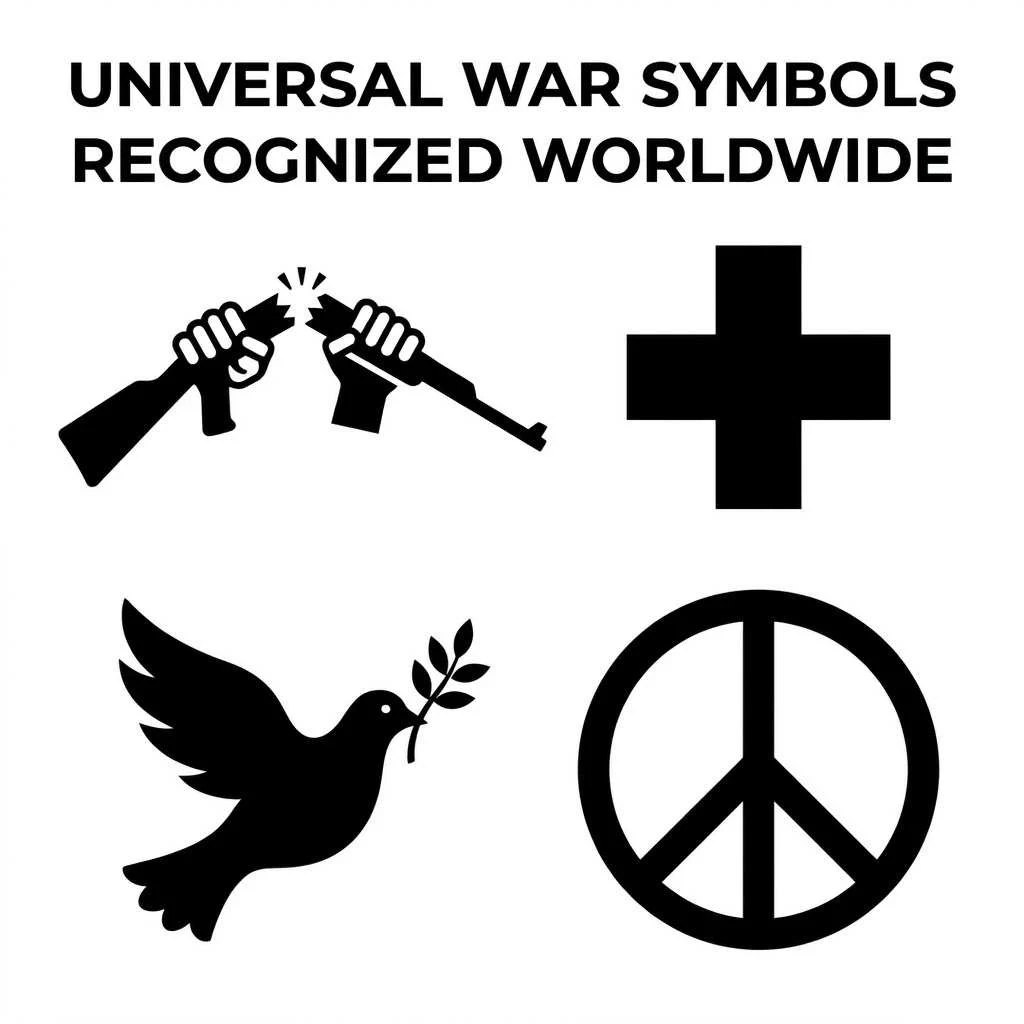
Some symbols are understood almost everywhere because of media, history, and shared human experiences.
Universal symbols of war
- Sword
- Shield
- Skull
- Helmet
- Eagle
- Red color
- Flags
- Fire
These symbols appear across different civilizations because humans naturally connect them with conflict and survival.
How to Create or Draw a War Symbol?
Creating a meaningful war symbol involves combining emotional power with simple visual design.
Step 1: Choose the core meaning
Decide what you want the symbol to express:
- Strength
- Sacrifice
- Protection
- Victory
- Survival
Step 2: Pick a symbolic object
Choose an image connected to the meaning:
- Sword for courage
- Shield for defense
- Eagle for power
- Flame for transformation
Step 3: Use symbolic colors
Common colors include:
- Red for passion and sacrifice
- Black for death and mystery
- Gold for victory
- Silver for discipline
Step 4: Keep the design simple
Strong symbols are easy to recognize instantly.
Step 5: Add personal meaning
The most powerful symbols connect to personal experiences and emotions.
The Difference Between War Symbols and Peace Symbols
War symbols often focus on:
- Strength
- Defense
- Aggression
- Sacrifice
Peace symbols usually represent:
- Unity
- Harmony
- Healing
- Hope
Interestingly, some symbols carry both meanings depending on context. The white flag, for example, can symbolize surrender during war and peace afterward.
FAQs About War Symbols
What is the most famous war symbol?
The sword is considered one of the most famous war symbols because it represents courage, power, honor, and battle across many cultures.
Why are animals used as war symbols?
Animals symbolize natural qualities such as strength, speed, aggression, leadership, and survival. Armies used them to inspire warriors and intimidate enemies.
What color symbolizes war?
Red is the color most associated with war because it represents blood, sacrifice, danger, passion, and energy.
Are war symbols always negative?
No, many war symbols also represent bravery, protection, discipline, sacrifice, and resilience.
Why do people get war symbol tattoos?
People choose war symbol tattoos to express inner strength, survival, courage, military service, or personal transformation.
What symbol represents both war and peace?
The white flag can symbolize surrender during conflict and peace after fighting ends.
Conclusion
War symbols are far more than simple images or military decorations. They carry stories of courage, fear, sacrifice, honor, and survival that connect humanity across centuries. From swords and shields to dragons and eagles, these symbols reveal how cultures understand power, protection, and conflict.
Even today, war symbolism shapes fashion, art, tattoos, movies, and national identity in powerful ways. Understanding these symbols helps us see not only the history of battles, but also the emotions and beliefs that define human civilization. The deeper you explore war symbols, the more you uncover hidden meanings that still influence the modern world.

Ryan Scott is a dedicated writer and symbol researcher who uncovers the deeper meanings behind everyday signs and symbols. His work focuses on making complex symbolic concepts simple, engaging, and easy to understand for readers from all backgrounds.
He is the author of Hidden Symbol Codes and Secrets Behind Ancient Symbols, where he explores the origins and meanings of symbols across different cultures.
Ryan’s goal is to inspire curiosity and help readers see the world from a new perspective through the language of symbols.
 Sophia Bennett
 Andrew Clark