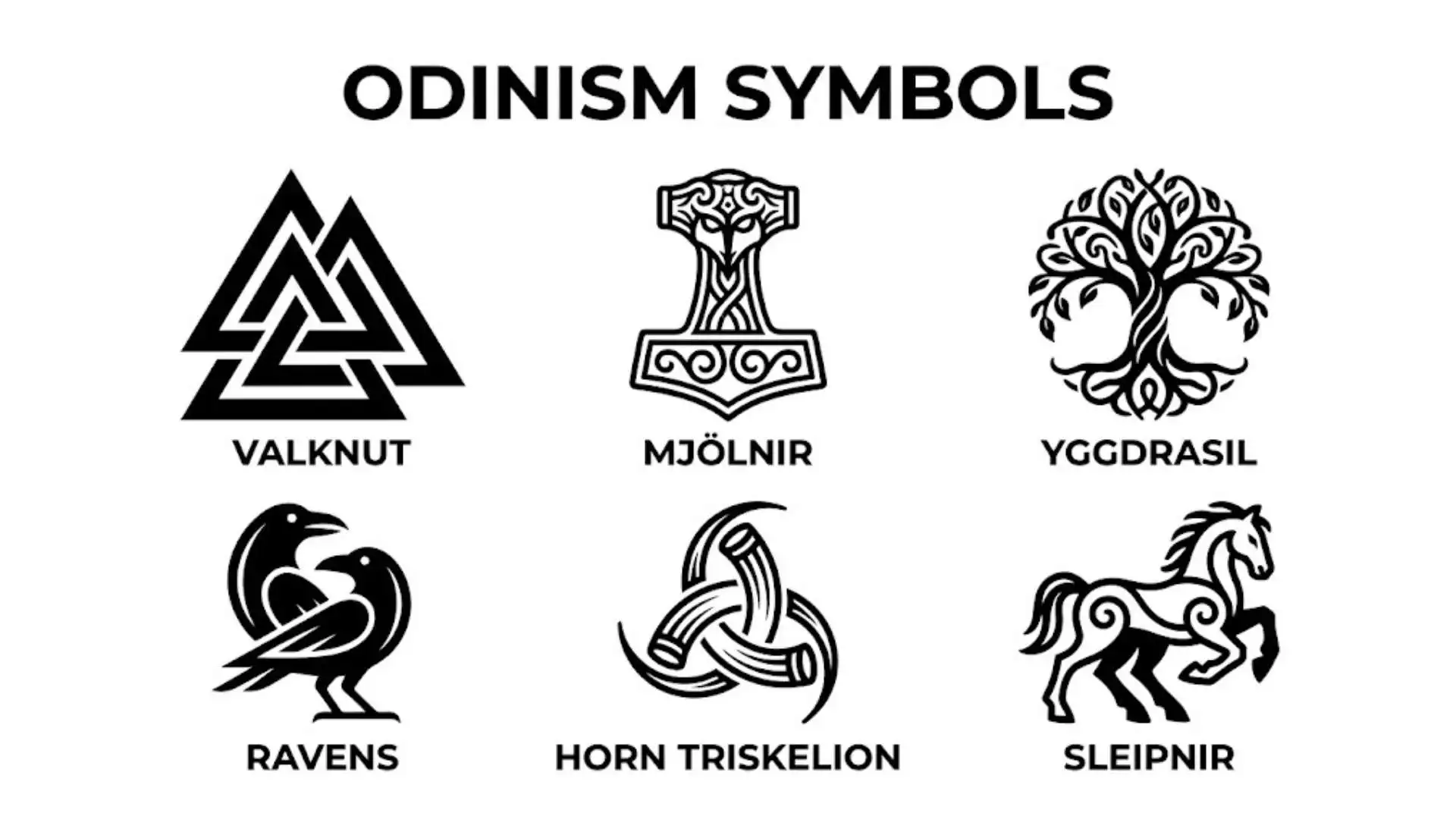
From ancient battlefields to modern tattoos, “Odinism symbols” carry a deep, mysterious energy that still speaks to people today.
These symbols are not just designs, they are living ideas shaped by belief, survival and identity. They reflect strength, wisdom, destiny and connection to nature.
When you explore Odinism symbols, you step into a world where every mark tells a story.
This article will uncover meanings that go beyond the surface and help you understand why these symbols still matter in human history, psychology and culture.
Quick Answer
Odinism symbols are sacred Norse signs connected to the worship of Odin and ancient Germanic beliefs. They represent wisdom, protection, fate, power, and the connection between humans, gods, and nature.
What Makes Something an Odinism Symbol?
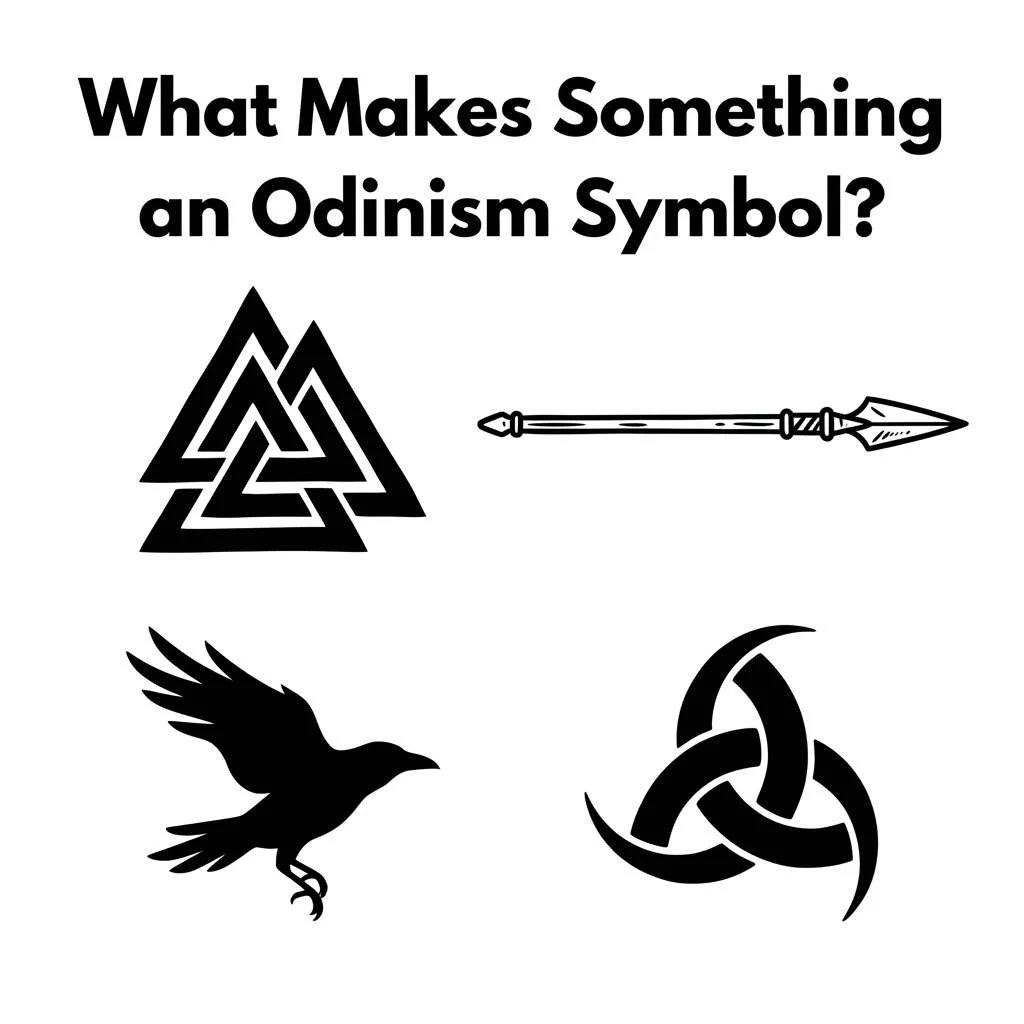
An Odinism symbol is not just a random shape. It becomes meaningful through belief, tradition, and repeated use across generations. These symbols were often carved into weapons, stones, and jewelry to protect or guide people.
A true Odinism symbol usually has
- A connection to Norse mythology
- A link to gods like Odin or Thor
- A deeper meaning tied to life, death, or destiny
- Use in rituals or storytelling
Psychologically, these symbols give people a sense of identity and control. In uncertain times, they acted as spiritual tools to face fear and chaos.
Most Famous Odinism Symbols
Valknut
The Valknut is made of three interlocking triangles. It is often linked with death and the afterlife. Warriors believed it guided them to the halls of the fallen.
Meaning
- Courage in battle
- Acceptance of fate
- Connection to Odin
Emotionally, it represents letting go of fear and embracing destiny.
Yggdrasil
The world tree connects all realms in Norse belief.
Meaning
- Balance of life
- Growth and connection
- Universe as one system
This symbol reflects how everything in life is connected, a powerful idea even in modern psychology.
Mjolnir
The hammer of Thor is one of the strongest protective symbols.
Meaning
- Protection from harm
- Strength and power
- Blessings and safety
It was commonly worn as a pendant for protection, similar to how people today wear lucky charms.
Vegvisir
Known as the Viking compass, this symbol helps guide the bearer.
Meaning
- Direction in life
- Protection during journeys
- Inner guidance
It is deeply emotional, especially for people feeling lost or uncertain.
Animal and Nature Symbols in Odinism
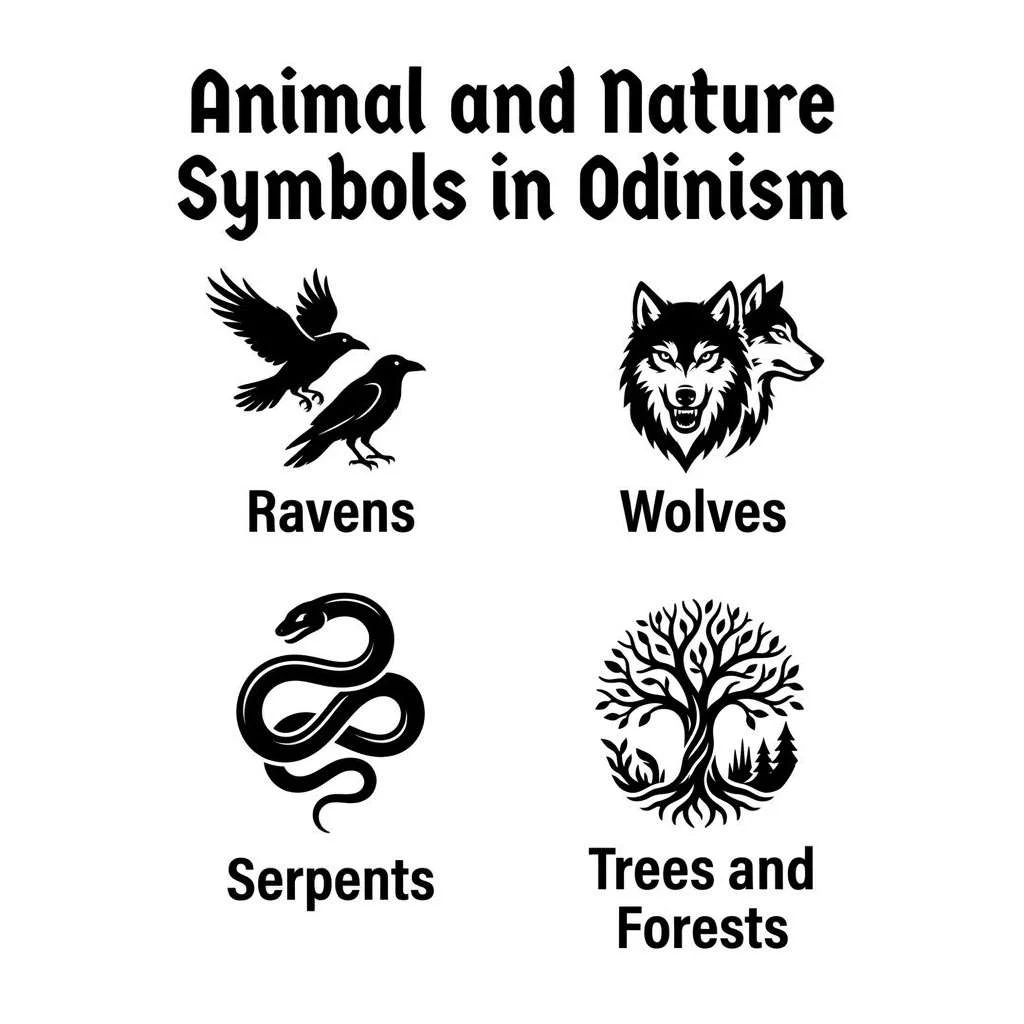
Nature played a central role in Odinism. Animals were seen as messengers and powerful spirits.
Ravens
Odin had two ravens, Huginn and Muninn.
Meaning
- Thought and memory
- Wisdom and awareness
Ravens symbolize intelligence and the ability to see beyond the obvious.
Wolves
Wolves were both feared and respected.
Meaning
- Strength and loyalty
- Wild freedom
- Survival instinct
They reflect the human struggle between control and instinct.
Serpents
Often seen in Norse myths as powerful beings.
Meaning
- Transformation
- Danger and rebirth
- Eternal cycles
Trees and Forests
Nature itself was sacred.
Meaning
- Growth
- Stability
- Connection to ancestors
Objects and Actions That Represent Odinism
Beyond symbols, everyday objects and actions carried meaning.
- Runes used for communication and magic
- Weapons representing honor and courage
- Fire rituals symbolizing transformation
- Storytelling passing wisdom through generations
These actions gave people purpose and emotional strength in difficult environments.
Ancient and Cultural Symbols Across the World
Odinism symbols may come from Norse culture, but their meanings are universal.
- Europe values them for heritage and identity
- USA often uses them in modern spirituality and tattoos
- Asia connects similar ideas through balance and energy symbols
- Africa also has tribal symbols representing strength and ancestors
This shows that humans everywhere seek meaning through symbols.
Odinism Symbols Spiritual Meaning and Deeper Interpretation
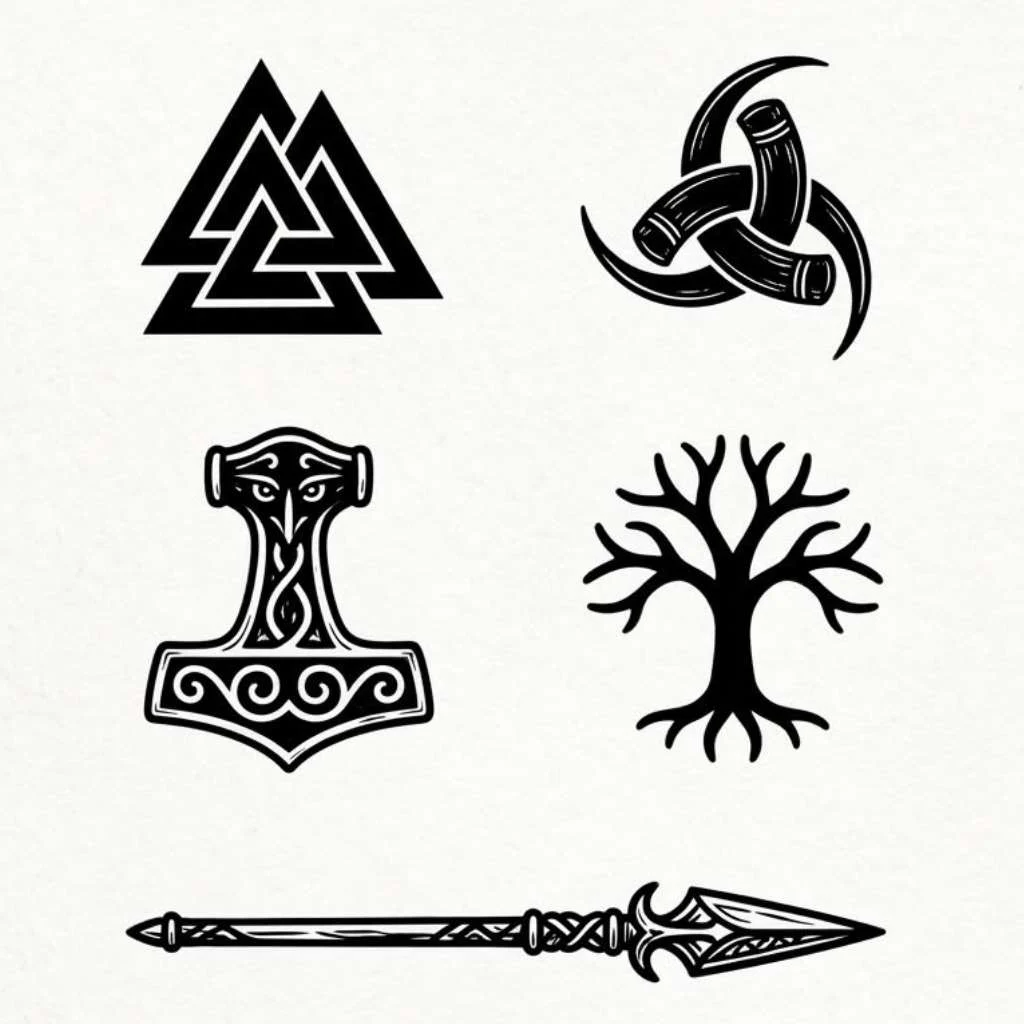
At a deeper level, Odinism symbols are about understanding life.
They represent
- The cycle of life and death
- The search for wisdom
- The balance between chaos and order
Spiritually, they remind people that life is not random. There is a pattern, even in struggle.
A powerful insight is that Odin himself sacrificed for knowledge. This makes these symbols not just powerful, but also deeply personal. They represent growth through pain.
Odinism Symbolism in Literature and Culture
These symbols appear in many stories, movies, and books inspired by Norse mythology.
They influence
- Fantasy literature
- Films about Vikings
- Modern video games
Writers use these symbols to represent heroism, fate, and inner struggle. They connect audiences to ancient ideas in a modern way.
Odinism in Everyday Life
Even today, Odinism symbols are used in simple ways.
- Jewelry for protection or identity
- Tattoos for personal meaning
- Art and design inspiration
- Spiritual practices
People choose these symbols because they feel strong, meaningful, and timeless.
Tattoo Ideas and Personal Meanings of Odinism Symbols
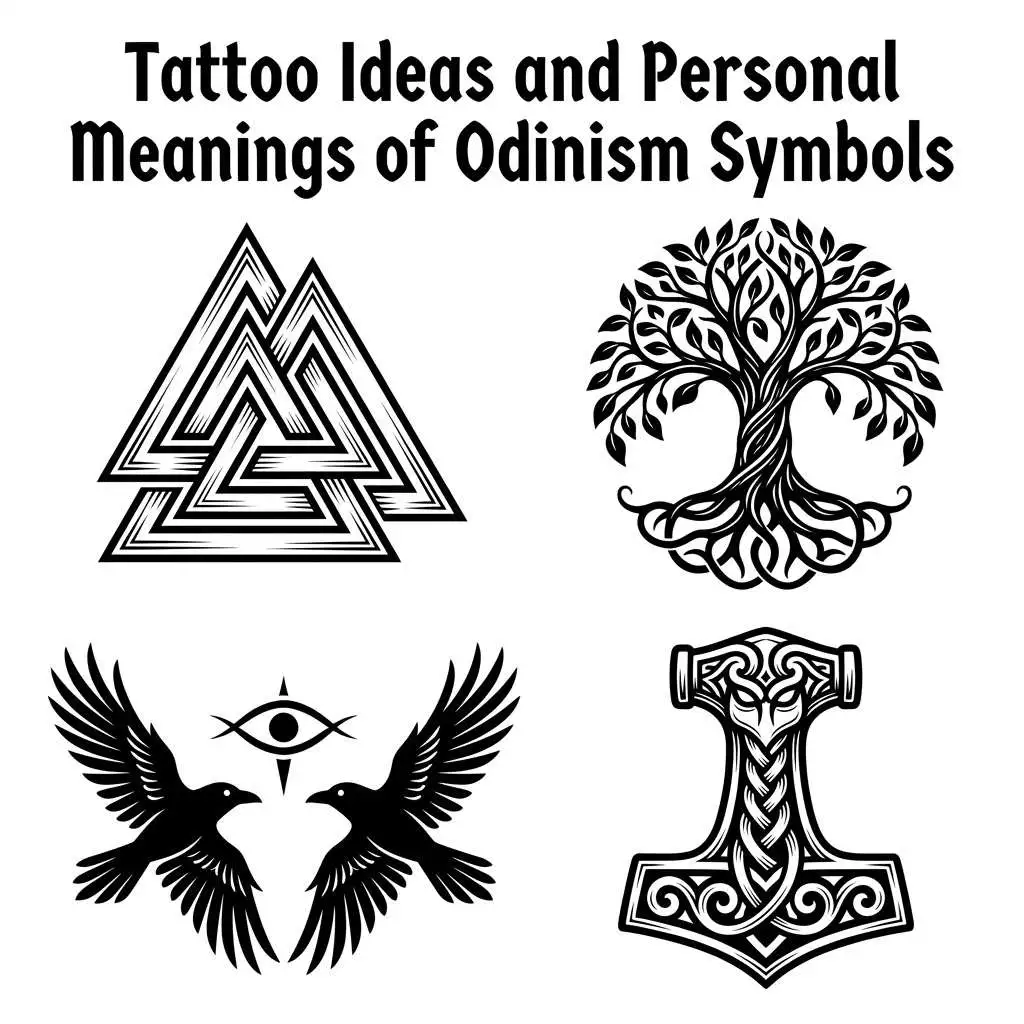
Odinism tattoos are very popular because they carry deep personal stories.
Popular Tattoo Ideas
- Valknut on the arm for courage
- Mjolnir on the chest for protection
- Vegvisir on the wrist for guidance
- Yggdrasil on the back for life connection
Personal Meaning
Each tattoo can represent
- A life struggle
- A personal transformation
- A connection to heritage
These tattoos are not just art, they are emotional symbols of identity.
Universal Most Recognized Odinism Symbols
Some symbols are recognized worldwide because of their strong meanings.
- Mjolnir for protection
- Valknut for bravery
- Vegvisir for guidance
- Yggdrasil for life balance
These symbols stand out because they answer universal human needs like safety, purpose, and connection.
How to Create or Draw an Odinism Symbol?
Creating your own symbol can be a powerful experience.
Simple Steps
- Choose a meaning like strength or guidance
- Study traditional Norse patterns
- Use simple lines and symmetry
- Add personal elements
- Keep the design meaningful, not just decorative
Tip
Focus on intention. In Odinism, meaning matters more than perfection.
Did You Know
- Many Vikings believed symbols could influence fate
- Runes were not just letters, they were magical tools
- Odin sacrificed an eye for wisdom, making knowledge a sacred idea
FAQs
What are Odinism symbols used for?
They are used for protection, guidance, identity, and spiritual connection.
Are Odinism symbols religious?
Yes, they are connected to Norse beliefs and the worship of Odin, but many people use them spiritually without strict religion.
Is the Vegvisir really a Viking symbol?
It comes from later Icelandic texts but is still strongly linked to Norse tradition.
Why are Odinism tattoos popular?
Because they represent strength, identity, and deep personal meaning.
Can anyone use Odinism symbols?
Yes, but understanding their meaning is important to respect their origin.
Conclusion
Odinism symbols are far more than ancient designs. They are powerful expressions of human strength, wisdom, and the search for meaning. From warriors seeking courage to modern individuals looking for identity, these symbols continue to inspire.
They connect us to nature, to history, and to our inner struggles. When you truly understand them, you see that they are not just about the past, they are about how we live and grow today.

Sophia Bennett is a passionate writer and symbol researcher who explores the deeper meanings behind ancient and modern symbols. With a strong interest in hidden messages, spiritual signs and cultural symbolism, she helps readers understand how symbols influence thoughts, emotions and everyday life.
Over the years, Sophia has dedicated her work to simplifying complex symbolic meanings into easy-to-understand insights. Her writing blends research with real-life relevance, making her content both educational and engaging for readers of all backgrounds.
She is the author of “Whispers of Hidden Symbols” and “The Silent Language of Signs”, two unique works that uncover the mystery and power behind symbols used across different cultures and traditions. Through these books, she invites readers to see the world from a new perspective, where every sign tells a story.
When she’s not writing, Sophia enjoys exploring historical texts, studying symbolic art, and discovering the unnoticed meanings hidden in everyday life.
 Ryan Scott
 Andrew Clark