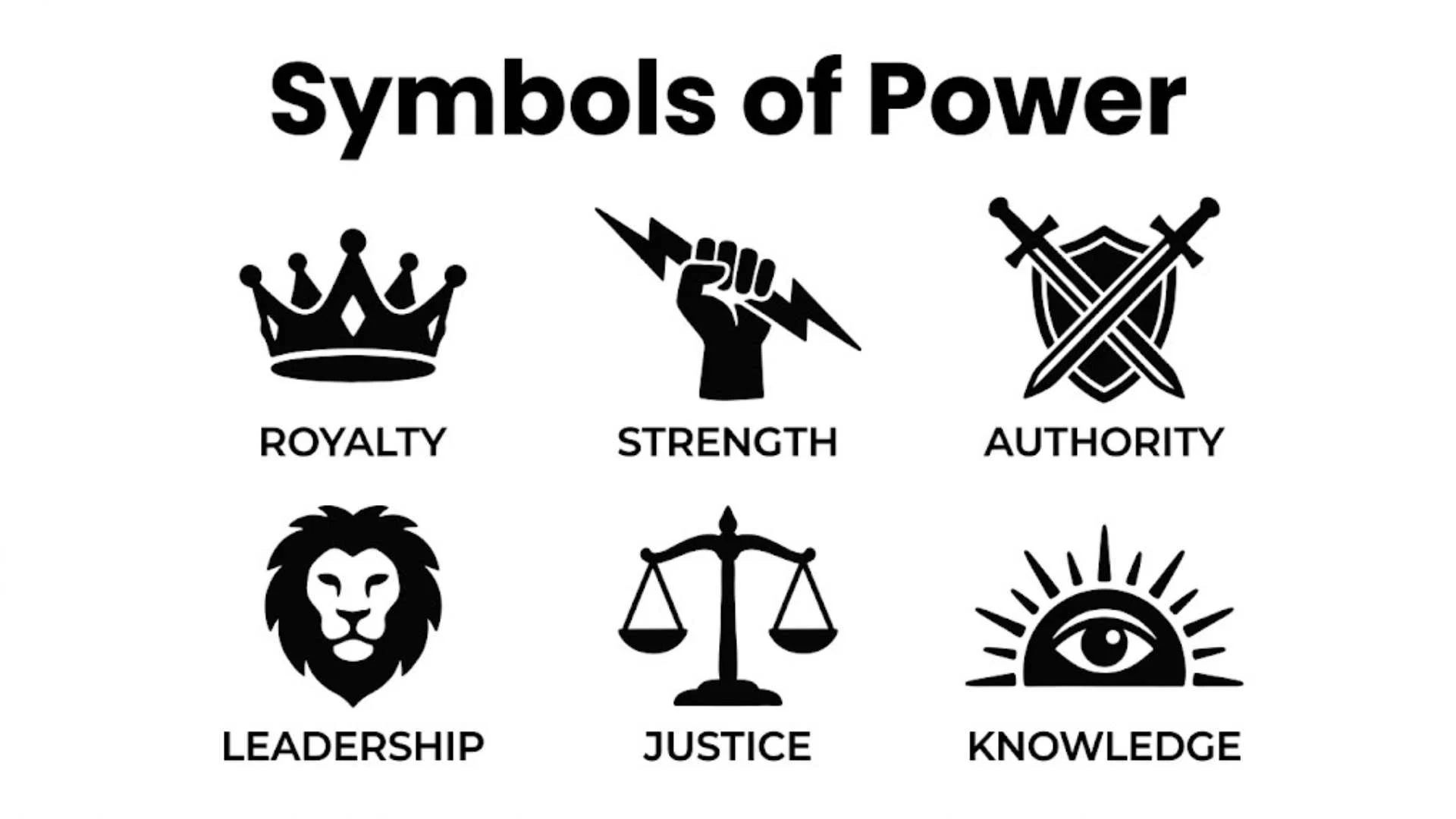
Power has always fascinated human beings. From ancient kings to modern leaders, everyone has used symbols of power to show authority, control and influence. These symbols are not just decorations.
They carry deep emotional, psychological, and cultural meanings that shape how people see leadership and strength. When we explore symbols of power, we enter a world where objects, animals, signs and even colors speak louder than words.
These symbols have influenced empires, religions, and societies for thousands of years. Many of them still affect our thinking today in politics, branding, fashion, and personal identity.
In this article, you will uncover the hidden meanings behind the most powerful symbols in human history and learn why they continue to shape our world in ways you may never have noticed before.
Quick Answer
Symbols of power are signs, objects, animals or images that represent authority, strength, leadership and influence across cultures and history. They communicate power without words and are used in politics, religion and society to inspire respect and control.
What Makes Something a Symbol of Power?
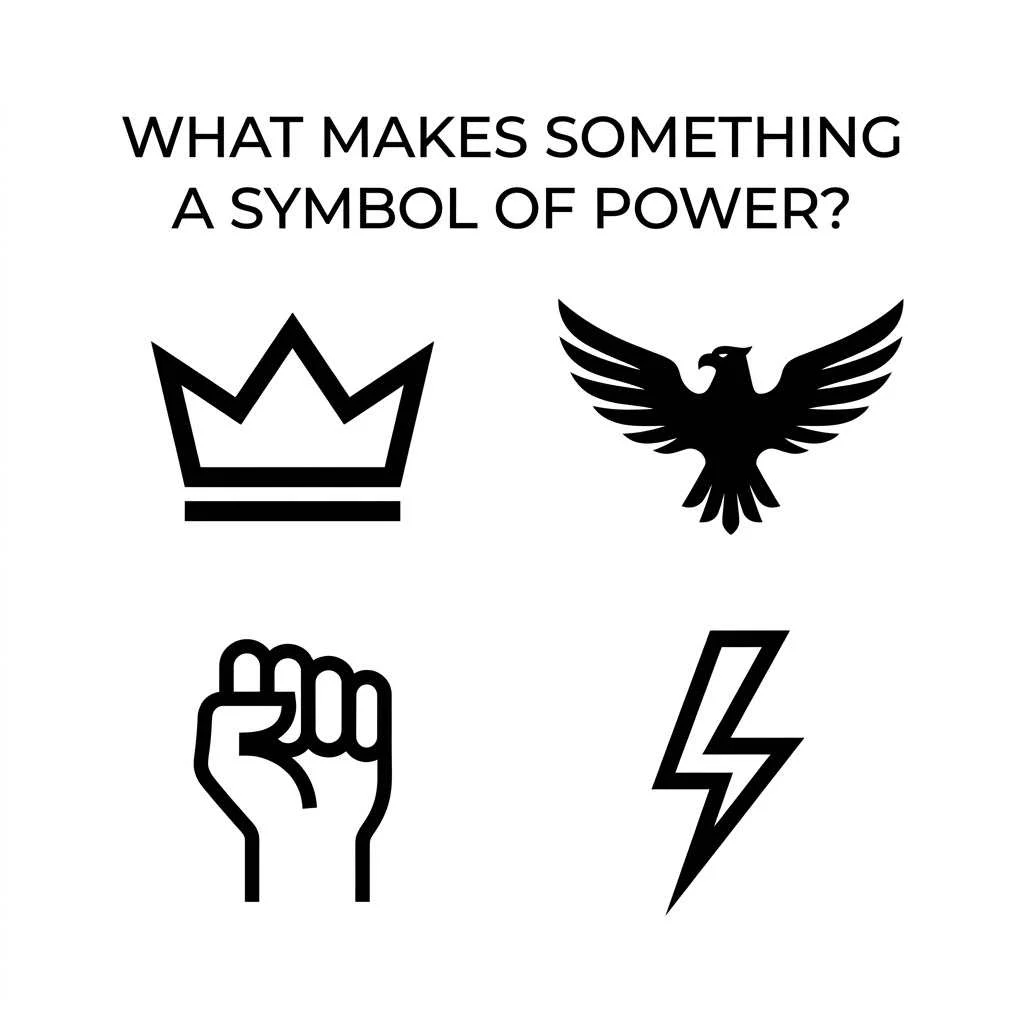
A symbol becomes powerful not because of its shape alone but because of the meaning people attach to it over time. Human psychology plays a huge role in this.
Here are the main factors that create symbols of power:
- Historical importance: Used by kings, warriors, or religious leaders
- Cultural belief: Shared meaning across societies
- Emotional impact: Creates fear, respect, or admiration
- Visual strength: Bold, simple, and easy to recognize
- Repetition over time: Passed from generation to generation
For example, a crown is just metal, but in human perception it represents ultimate authority. That is the power of symbolism.
Most Famous and Iconic Symbols of Power
Throughout history, certain symbols have become universally recognized as signs of authority and dominance.
Crown
A crown represents monarchy, leadership, and divine right. In Europe, it symbolizes royal bloodlines. In modern culture, it is also used in fashion and branding to show luxury and dominance.
Scepter
A scepter is a ceremonial staff held by rulers. It represents control over a kingdom and is still used in royal ceremonies in many countries.
Throne
A throne is more than a chair. It represents the center of power. In ancient Asia and Europe, only kings and emperors could sit on it.
Eagle
The eagle is a strong symbol in the United States and Rome. It represents freedom, vision, and unstoppable strength.
Lion
Known as the king of the jungle, the lion symbolizes courage, leadership, and dominance in African and Asian cultures.
Animal and Nature Symbols of Power
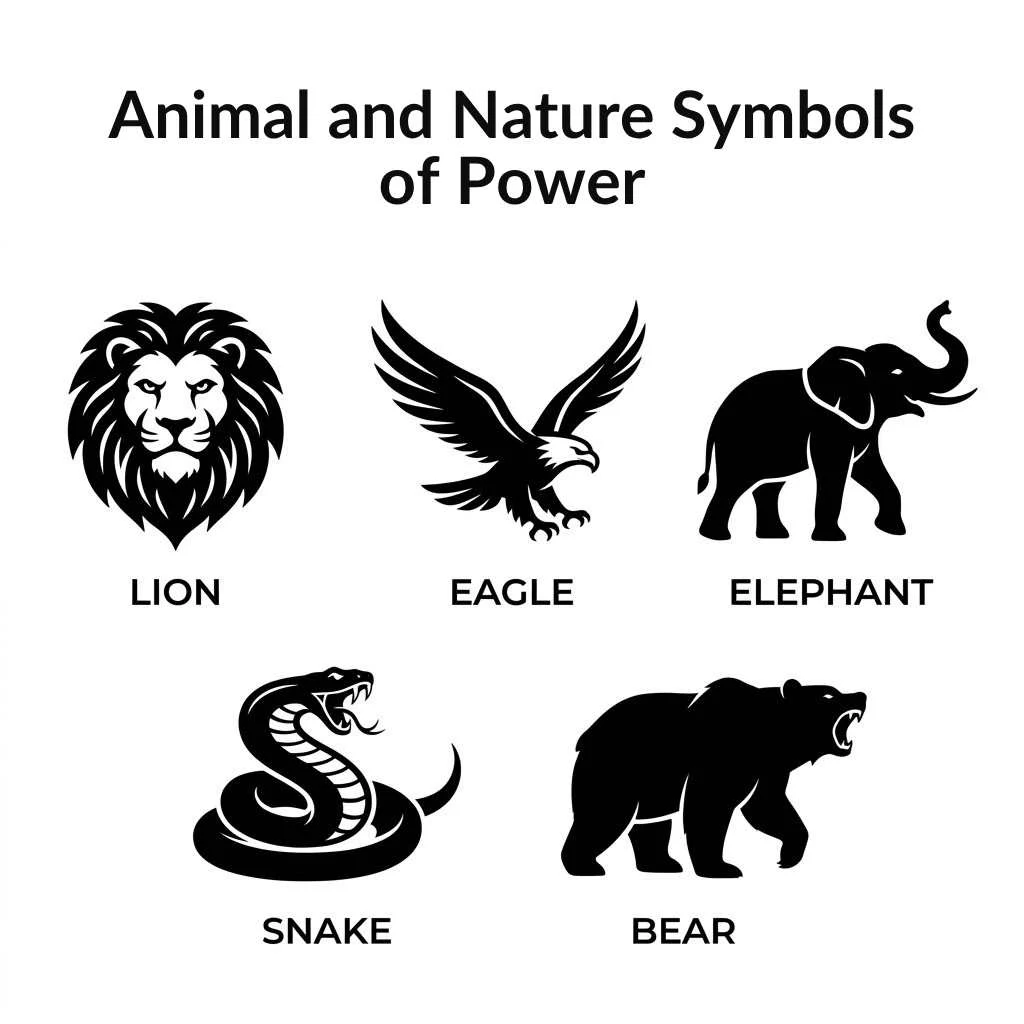
Nature has always been a major source of powerful symbolism. Many cultures believe animals carry spiritual strength.
Lion
- Represents bravery and leadership
- Used in African tribal art and European royal crests
- Emotionally linked to fearlessness and authority
Eagle
- Symbol of vision and independence
- Strong in Native American traditions
- Represents high perspective and control
Elephant
- In Asia, especially India, elephants symbolize wisdom and royal strength
- Connected with memory, patience, and stability
Snake
- In ancient Egypt and India, snakes represent transformation and hidden power
- Emotionally linked with rebirth and danger
Bear
- Symbol of raw strength and protection
- Common in Native American cultures
Objects and Actions That Represent Power
Not all symbols are animals or royal items. Many everyday objects represent authority depending on context.
Sword
Represents justice, war, and protection. In medieval Europe, knights carried swords as a symbol of honor and duty.
Shield
Symbol of defense and survival. Psychologically, it represents emotional protection.
Ring
In ancient kingdoms, rings were used to seal documents, showing authority and trust.
Flags
Flags represent identity and national power. They create unity and emotional belonging.
Hand gestures
Simple gestures like pointing, raised hands, or clenched fists can symbolize control, resistance, or unity.
Ancient and Cultural Symbols of Power Around the World
Different civilizations created their own powerful symbols that still influence modern culture.
Egypt
- Ankh represents eternal life and divine power
- Eye of Horus represents protection and royal authority
China
- Dragon symbolizes imperial power and wisdom
- Used by emperors to represent divine right
India
- Lotus represents purity and spiritual strength
- Trishul symbolizes destruction of evil and protection
Europe
- Crown, lion, and cross represent monarchy and religion
- Heraldic shields used in noble families
Africa
- Tribal masks represent ancestral power and spiritual connection
- Totems symbolize protection and identity
Native America
- Eagle feathers represent honor and leadership
- Totem poles tell stories of power and heritage
Spiritual Meaning and Deeper Interpretation of Symbols of Power
On a spiritual level, symbols of power are not only about control over others. They also represent inner strength.
Many spiritual traditions believe:
- Power begins inside the mind
- True strength is control over emotions
- Symbols act as reminders of inner discipline
For example:
- A crown can represent self mastery
- A lion can represent courage within
- A sword can represent cutting negative thoughts
In spirituality, power is not domination. It is balance, awareness, and responsibility.
Symbolism in Literature and Culture
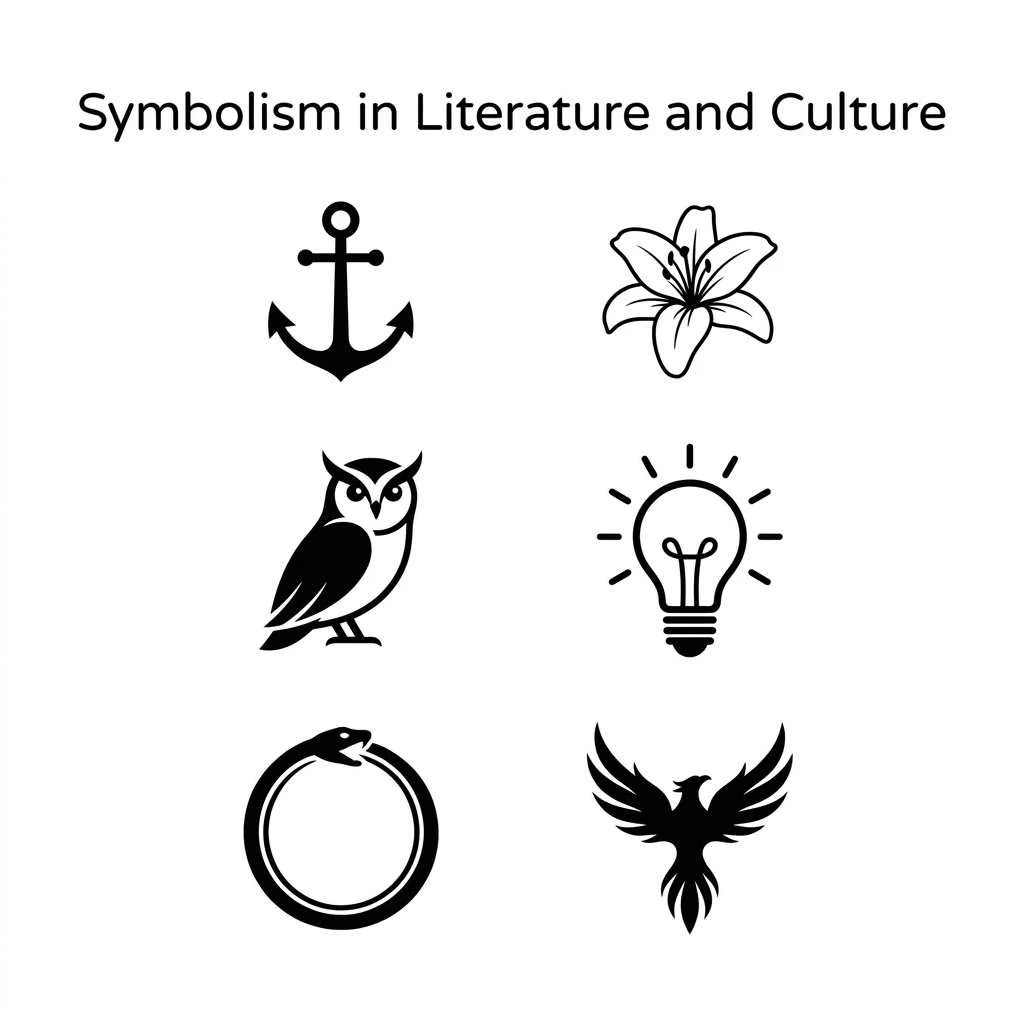
Symbols of power appear everywhere in storytelling, myths, and literature.
In mythology
- Zeus holds a thunderbolt representing divine authority
- King Arthur’s Excalibur represents rightful leadership
In modern literature
- The Hunger Games uses symbols like the mockingjay to represent rebellion
- Lord of the Rings uses the One Ring as ultimate corrupting power
In movies
Power symbols often define characters:
- Thrones represent rulers
- Weapons represent destiny
- Crowns represent transformation
These symbols help audiences understand character strength instantly.
Symbols of Power in Everyday Life
You may not realize it, but symbols of power are everywhere in daily life.
- Corporate logos represent business authority
- Uniforms represent discipline and hierarchy
- Cars and luxury items represent social status
- Social media badges represent digital influence
Even body language acts as a power symbol. Standing tall or making eye contact shows confidence and control.
Tattoo Ideas and Personal Meanings of Power Symbols
Many people choose symbols of power for tattoos because they want to express strength and identity.
Popular tattoo ideas include:
- Lion tattoos for courage and leadership
- Eagle tattoos for freedom and vision
- Crown tattoos for self control and ambition
- Sword tattoos for justice and protection
- Dragon tattoos for wisdom and transformation
Each tattoo carries personal meaning. For some, it is about overcoming struggles. For others, it represents ambition and success.
Universal Most Recognized Symbols of Power
Some symbols are understood globally without explanation.
- Crown represents authority everywhere
- Lion represents courage across continents
- Eagle represents vision and leadership
- Fire represents transformation and energy
- Mountain represents stability and endurance
These symbols work because human emotions are universal. Fear, respect, and admiration are understood in every culture.
Psychological Meaning of Symbols of Power
Psychology explains why humans are deeply affected by these symbols.
- They trigger emotional responses in the brain
- They create instant recognition and trust
- They influence behavior and decision making
For example, people naturally associate sharp objects like swords with danger and authority. Soft symbols like light or gold are linked with purity and value.
This is why governments, brands, and religions use strong visual symbols to communicate instantly.
How to Create or Draw a Symbol of Power?
Creating a personal symbol of power is about combining meaning and simplicity.
Follow these steps:
- Choose an idea like strength, wisdom, or leadership
- Select shapes that represent it, like circle for unity or triangle for stability
- Add cultural or personal elements
- Keep it simple and bold
- Make it easy to recognize
For example, combining a lion with a crown can represent royal strength. A sword inside a circle can represent balanced justice.
Did You Know Insights
- The lion became a royal symbol in Europe because it was associated with bravery in medieval battles
- The eagle was chosen as a U.S. symbol because it flies higher than most birds, representing vision and freedom
- Ancient kings believed symbols could transfer power spiritually to rulers
These beliefs show how deeply humans connect meaning to visuals.
FAQs About Symbols of Power
What is the strongest symbol of power in the world?
The crown is often considered the strongest symbol of power because it represents ultimate authority and leadership.
Why are animals used as symbols of power?
Animals represent natural instincts like strength, courage, and survival, which humans associate with leadership qualities.
Are symbols of power the same in all cultures?
No, meanings can differ, but some symbols like lions, eagles, and crowns are widely recognized across many cultures.
Can symbols of power affect human psychology?
Yes, they can influence emotions, confidence, and perception of authority in both conscious and subconscious ways.
What is the spiritual meaning of power symbols?
Spiritually, power symbols represent inner strength, self control, and balance rather than domination over others.
Conclusion
Symbols of power are deeply rooted in human history, culture, and psychology. They are not just images but emotional tools that shape how we understand authority and strength.
From ancient crowns to modern logos, these symbols continue to influence how we think, feel, and behave. Understanding them helps us see the hidden language of power in everyday life and recognize the deeper meanings behind what we see.

Sophia Bennett is a passionate writer and symbol researcher who explores the deeper meanings behind ancient and modern symbols. With a strong interest in hidden messages, spiritual signs and cultural symbolism, she helps readers understand how symbols influence thoughts, emotions and everyday life.
Over the years, Sophia has dedicated her work to simplifying complex symbolic meanings into easy-to-understand insights. Her writing blends research with real-life relevance, making her content both educational and engaging for readers of all backgrounds.
She is the author of “Whispers of Hidden Symbols” and “The Silent Language of Signs”, two unique works that uncover the mystery and power behind symbols used across different cultures and traditions. Through these books, she invites readers to see the world from a new perspective, where every sign tells a story.
When she’s not writing, Sophia enjoys exploring historical texts, studying symbolic art, and discovering the unnoticed meanings hidden in everyday life.
 Ryan Scott
 Andrew Clark