Freedom is one of the deepest human desires, and throughout history, people have used “symbols of freedom” to express hope, independence and the courage to live life on their own terms.
From ancient civilizations to modern culture, these symbols carry emotional power that goes beyond words. They reflect struggles, victories, and the universal longing to break free from limits.
In this guide, you will discover the hidden meanings behind these powerful symbols, how they connect to human psychology, and why they still matter today in ways you may never have realized.
Quick Answer
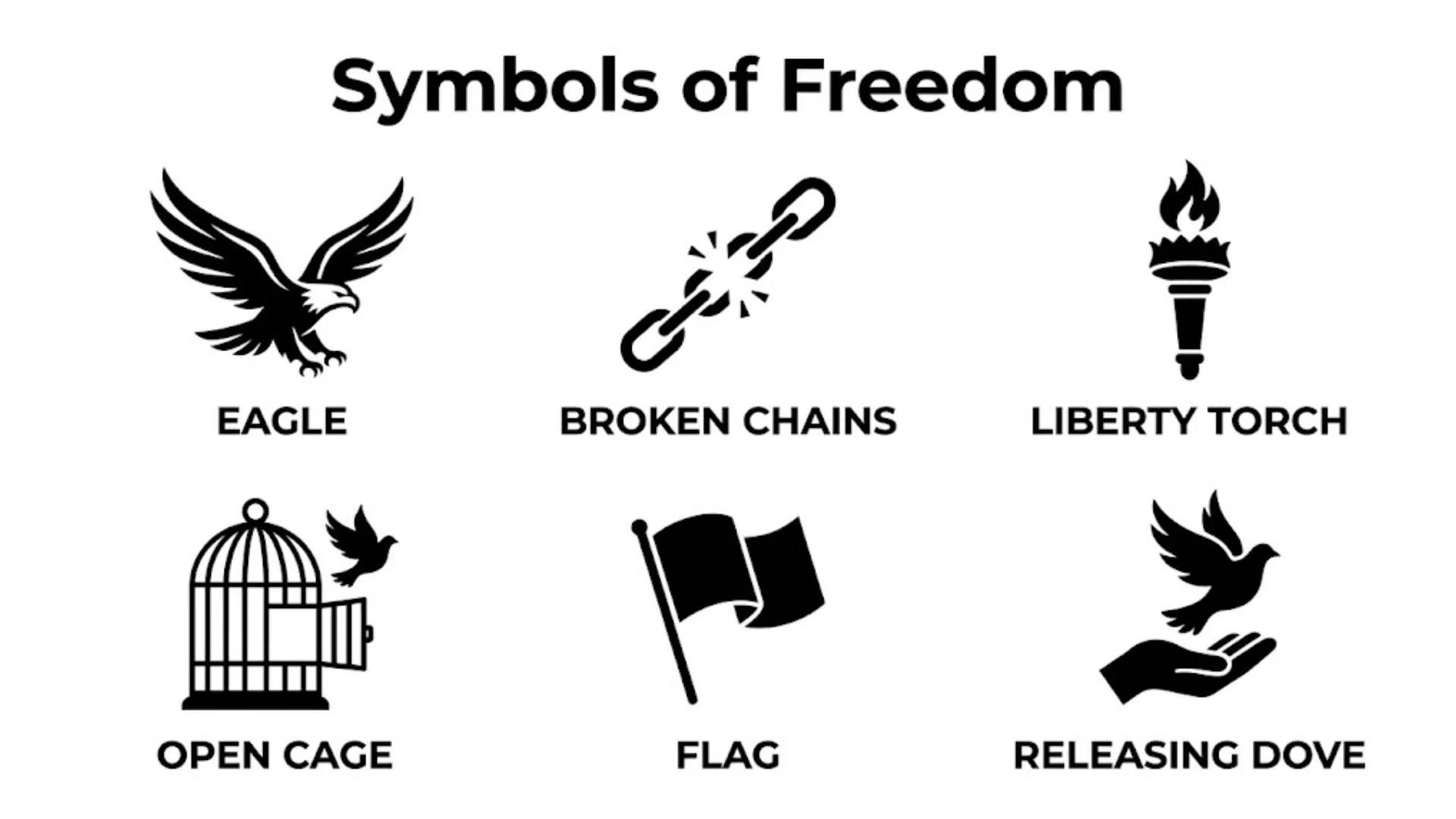
Symbols of freedom are visual, natural, or cultural representations that express independence, liberation, and self-expression. Common examples include birds in flight, broken chains, open skies and flags.
What Makes Something a Symbol of Freedom?
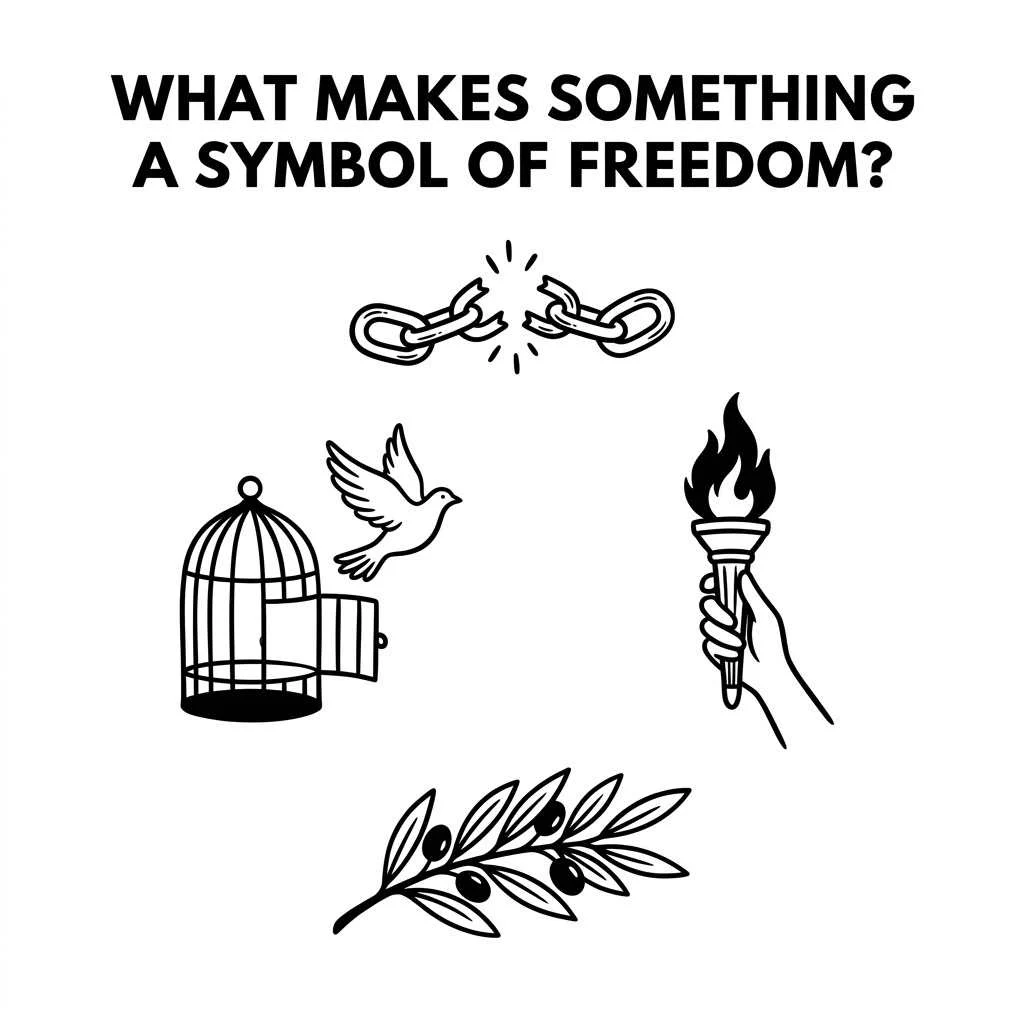
Not everything becomes a symbol of freedom. A true symbol of this concept shares a few powerful traits:
- It represents release from control or restriction
- It evokes feelings of hope, independence, and possibility
- It is often linked to historical struggles or personal transformation
- It connects emotionally across different cultures
From a psychological perspective, humans naturally associate freedom with movement, openness, and choice. That is why many freedom symbols involve flying, open spaces, or breaking barriers.
Most Famous and Iconic Symbols of Freedom
The Eagle
The eagle is one of the most recognized symbols of freedom worldwide.
- Represents strength, independence, and vision
- In American culture, it symbolizes liberty and national pride
- Emotionally, it reflects rising above challenges
The Statue of Liberty
A global symbol of hope and freedom.
- Represents democracy and new beginnings
- Welcomes immigrants and symbolizes opportunity
- Psychologically, it gives a sense of belonging and acceptance
Broken Chains
A universal representation of liberation.
- Symbolizes freedom from oppression or control
- Often used in movements for justice and equality
- Emotionally, it reflects relief and empowerment
The Flag
Flags often symbolize freedom on a national level.
- Represent identity, independence, and unity
- Carry emotional value tied to history and sacrifice
Animal and Nature Symbols of Freedom
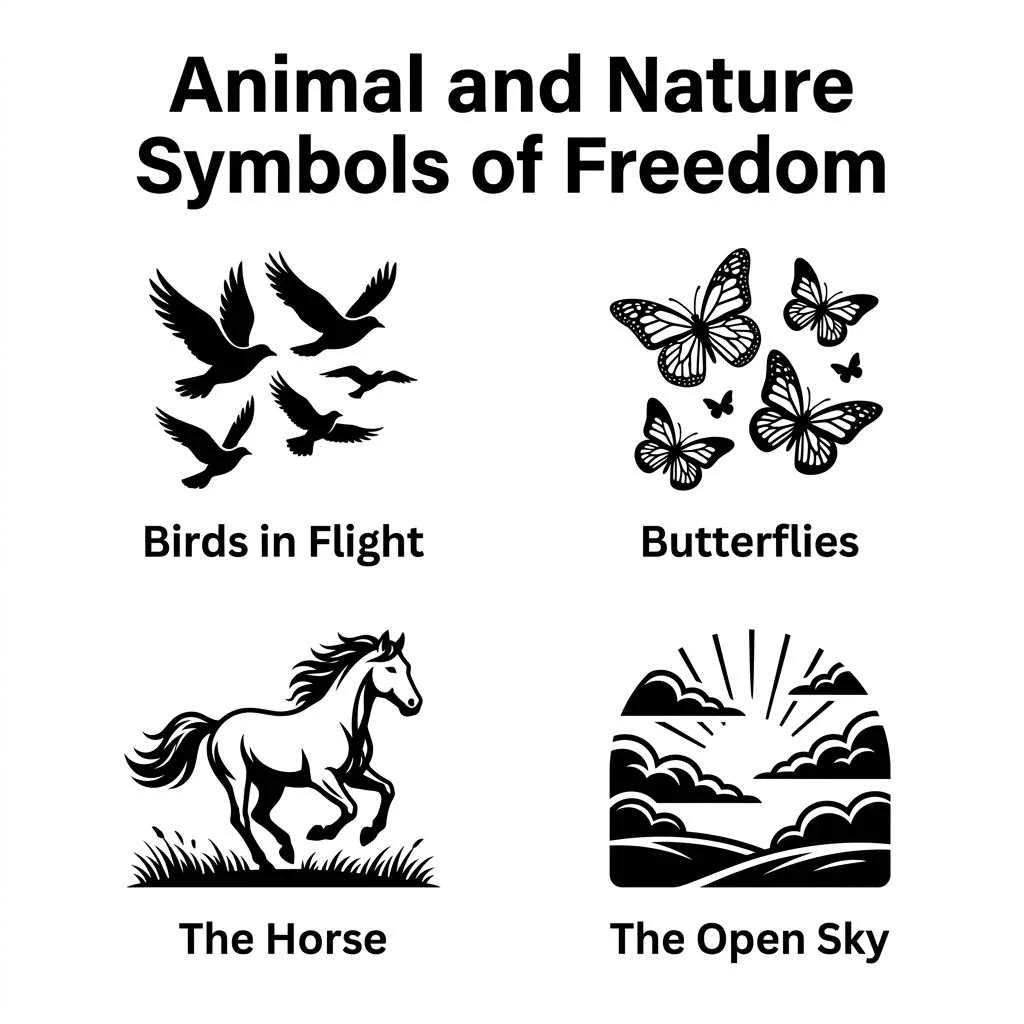
Nature offers some of the most powerful and relatable symbols of freedom.
Birds in Flight
Perhaps the strongest natural symbol.
- Represent the ability to move freely
- Suggest limitless possibilities
- Emotionally connected to dreams and aspirations
Butterflies
A symbol of transformation and personal freedom.
- Represent change and rebirth
- Show the journey from restriction to beauty
- Inspire hope and growth
The Horse
A symbol of raw, untamed freedom.
- Represents speed, power, and independence
- Often linked to open landscapes and wild spirit
The Open Sky
A simple yet powerful symbol.
- Represents infinite possibilities
- Evokes calmness and mental freedom
Objects and Actions That Represent Freedom
Keys
Keys symbolize unlocking opportunities.
- Represent access to new paths
- Suggest control over one’s destiny
Open Doors
An open door means opportunity.
- Represents new beginnings
- Emotionally linked to courage and curiosity
Wings
Often used in art and tattoos.
- Represent the desire to escape limitations
- Symbolize spiritual and physical freedom
Breaking Chains Action
Not just an object but an act.
- Represents active liberation
- Suggests courage to fight for independence
Ancient and Cultural Symbols of Freedom
Freedom has always been a part of human culture across the world.
In Ancient Greece
Freedom was tied to democracy and civic rights.
- Symbols included olive branches representing peace and independence
In Asia
Freedom is often linked with spiritual liberation.
- The lotus flower symbolizes rising above suffering
- Represents inner freedom and enlightenment
In Africa
Symbols reflect community and liberation.
- Adinkra symbols like “Fawohodie” represent independence
- Show balance between freedom and responsibility
In Europe
Freedom symbols evolved through revolutions.
- Phrygian cap became a symbol of liberty during revolutions
- Represents resistance against oppression
Spiritual Meaning and Deeper Interpretation
Freedom is not just physical. It is deeply spiritual.
- Represents release from fear and attachment
- Symbolizes self-awareness and inner peace
- Encourages living authentically
Spiritually, freedom means being true to yourself without being controlled by external expectations. Many traditions see freedom as enlightenment or awakening.
Symbolism of Freedom in Literature and Culture
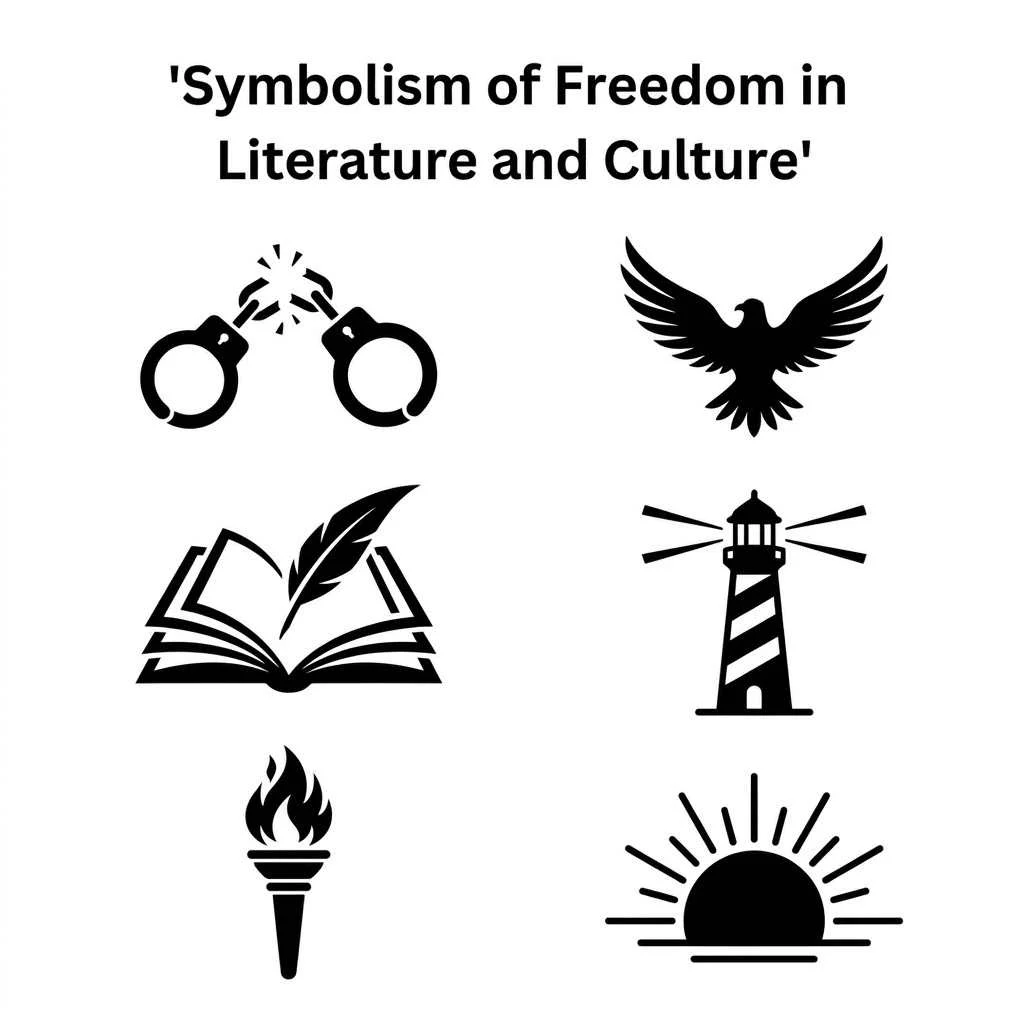
Writers and artists have always used freedom symbolism.
- Birds often represent escape in poetry
- Journeys symbolize personal liberation
- Open landscapes show emotional and mental freedom
In stories, freedom is often the end goal. Characters break free from limitations, whether physical, social, or emotional.
Freedom in Everyday Life
You do not need grand symbols to experience freedom daily.
- Making your own choices
- Speaking your truth
- Living according to your values
Even small acts like traveling, learning something new, or expressing yourself creatively can be symbols of freedom in your life.
Tattoo Ideas and Personal Meanings
Freedom tattoos are deeply personal and meaningful.
Popular Tattoo Ideas
- Birds flying away
- Feather turning into birds
- Broken chains
- Wings on the back
- Compass showing direction
Emotional Meaning
- A fresh start
- Overcoming struggles
- Independence from past pain
- Personal growth
Each tattoo tells a story. It becomes a permanent reminder of your journey toward freedom.
Universal and Most Recognized Symbols of Freedom
Some symbols are understood globally.
- Bird in flight
- Broken chains
- Open sky
- Flags
- Wings
These symbols work across cultures because they connect to universal human emotions and experiences.
How to Create or Draw a Symbol of Freedom?
You can create your own symbol of freedom by combining meaning and creativity.
Simple Steps
- Start with a core idea like movement or openness
- Choose elements like wings, sky, or chains
- Add personal meaning or story
- Keep the design simple and clear
Tips
- Use flowing lines to show movement
- Add open spaces to represent possibility
- Avoid clutter so the message stays strong
Creating your own symbol makes it more powerful because it reflects your personal journey.
Did You Know
- Many ancient civilizations used birds as spiritual messengers of freedom
- The concept of freedom symbols appears in nearly every culture
- Even colors like blue are associated with freedom due to their link with the sky
FAQs About Symbols of Freedom
What is the most powerful symbol of freedom
The bird in flight is often considered the most powerful because it represents limitless movement and independence.
Why are chains used as freedom symbols
Chains represent restriction. When broken, they symbolize liberation and release from control.
Are freedom symbols the same in all cultures
Not exactly. While the idea is similar, symbols vary depending on history and cultural beliefs.
Can a person create their own freedom symbol
Yes. Personal symbols often carry deeper meaning because they reflect individual experiences.
What does freedom symbolize emotionally
Freedom represents hope, independence, courage, and the ability to live authentically.
Conclusion
Symbols of freedom are more than simple images. They carry powerful meanings shaped by history, culture, and human emotion. From birds soaring in the sky to broken chains and open doors, each symbol tells a story of liberation and possibility.
These symbols remind us that freedom is not just about physical independence but also about inner peace and self-expression. Whether you connect with a global symbol or create your own, the meaning of freedom lives within you and continues to inspire generations.

Ryan Scott is a dedicated writer and symbol researcher who uncovers the deeper meanings behind everyday signs and symbols. His work focuses on making complex symbolic concepts simple, engaging, and easy to understand for readers from all backgrounds.
He is the author of Hidden Symbol Codes and Secrets Behind Ancient Symbols, where he explores the origins and meanings of symbols across different cultures.
Ryan’s goal is to inspire curiosity and help readers see the world from a new perspective through the language of symbols.
 Sophia Bennett
 Andrew Clark