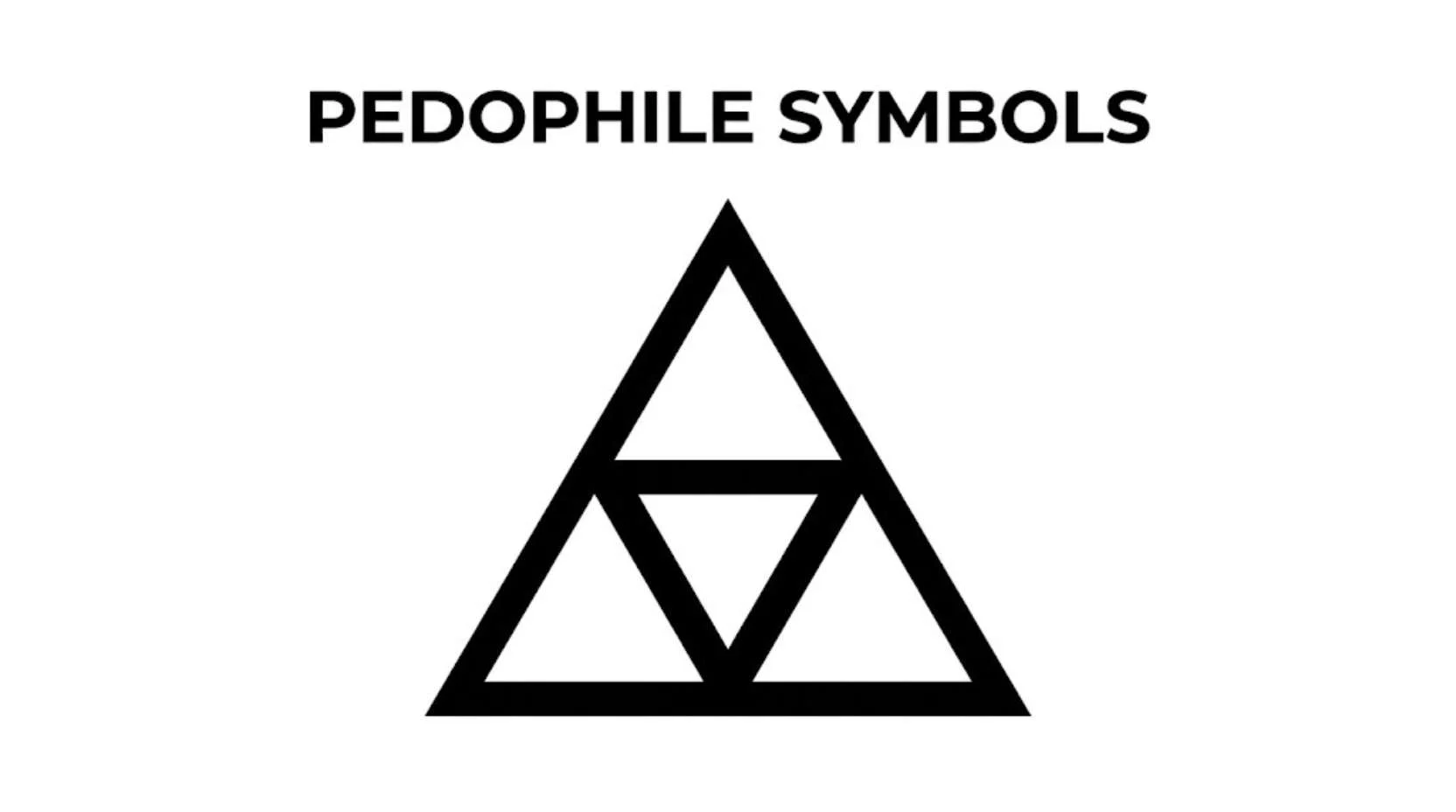
The topic of pedophile symbols often creates shock, fear and confusion. Many people first hear about these symbols through crime documentaries, online discussions, or law enforcement reports, yet few truly understand what they mean or why they exist.
These symbols are believed to function as secret signs used within harmful communities to communicate hidden interests and identities. Understanding them matters because symbols influence human psychology, communication, and social behavior in powerful ways.
Throughout history, secret groups have used coded imagery to identify members, avoid detection, and create a sense of belonging. In modern times, certain alleged pedophile symbols have gained public attention due to investigations connected to online exploitation networks.
This article explores the meanings, history, cultural interpretations, psychological symbolism, and public awareness surrounding these controversial signs in a clear and educational way.
Quick Answer
Pedophile symbols are alleged coded images or designs associated with child exploitation communities. Some of the most recognized examples include spiral triangles, heart shaped spirals, and geometric symbols reportedly identified in law enforcement investigations. These symbols are controversial and should be understood carefully because context matters. Public awareness helps people recognize suspicious imagery while avoiding false accusations or misinformation.
What Makes Something a Symbol of This Concept?
A symbol becomes meaningful when a group repeatedly uses it to represent an idea, identity, belief, or hidden message. Symbols connected to criminal or secretive behavior usually share a few traits:
- Simple and easy to reproduce
- Hidden meaning unknown to outsiders
- Repeated use within certain communities
- Emotional or psychological significance
- Ability to communicate silently
In many cases, secret symbols are intentionally designed to look harmless. This allows them to blend into normal culture without attracting attention. Shapes, colors, animals, patterns, and geometric designs often carry hidden meanings because they appear ordinary to most people.
Psychologically, symbols help people feel connected to a group. They create identity, secrecy, and emotional validation. Harmful communities sometimes use coded imagery to normalize dangerous behavior among members. This is why understanding suspicious symbolism can help improve awareness and online safety.
The Most Famous Alleged Pedophile Symbols
Several symbols have become widely discussed after appearing in public reports and internet investigations. It is important to remember that many symbols can have multiple meanings in different contexts. A symbol alone does not prove criminal intent.
Spiral Triangle Symbol
One of the most talked about symbols is the spiral triangle. It resembles a smaller triangle swirling inside a larger one.
People often describe it as representing attraction toward young boys in alleged coded systems. The triangular shape may symbolize hierarchy, secrecy, or control. Spiral imagery also psychologically represents obsession, repetition, and inward focus.
Did you know?
Spiral shapes appear in ancient cultures worldwide, from Celtic art to Asian spiritual traditions. Context completely changes the meaning of a symbol.
Heart Spiral Symbol
The heart spiral is another controversial design associated with alleged hidden communication.
This symbol combines emotional imagery with a spiral shape. Experts who study symbolism often note that spirals can represent emotional fixation or unhealthy attachment when used in dark contexts.
The design appears soft and harmless, which may help conceal its disturbing interpretation.
Butterfly Variations
Some online discussions connect butterfly imagery with exploitation symbolism. Butterflies traditionally symbolize innocence, transformation, childhood, and vulnerability.
Because butterflies naturally represent youth and fragility, they sometimes appear in conversations about hidden meanings connected to exploitation networks. Still, butterflies remain one of the most universal positive symbols in world culture, so assumptions should never be made without evidence.
Geometric Swirls and Abstract Logos
Many alleged symbols use:
- Circular spirals
- Interlocking shapes
- Soft curves
- Minimalist designs
The simplicity helps these images hide in plain sight. They may appear in digital art, jewelry, tattoos, or logos without drawing suspicion from outsiders.
Animal and Nature Symbols Linked to Innocence and Vulnerability
Nature symbolism plays a major role in human psychology. Some symbols connected to childlike innocence or vulnerability become controversial when misused by dangerous individuals or groups.
Butterflies
Butterflies traditionally represent:
- Innocence
- Transformation
- Fragility
- Youth
- Freedom
In literature and psychology, butterflies often symbolize delicate emotional states. Their connection to childhood imagery can make them vulnerable to misuse in harmful symbolism.
Lambs
Lambs symbolize purity, innocence, and defenselessness across Christianity, Europe, and Middle Eastern cultures.
The emotional meaning behind lamb imagery makes it psychologically powerful. Predatory symbolism sometimes targets images associated with weakness or innocence because they reflect imbalance of power.
Flowers
Certain flowers symbolize youth and purity:
- White lilies
- Daisies
- Cherry blossoms
In Asian cultures, cherry blossoms represent temporary beauty and fleeting youth. Symbol researchers often analyze how innocence related imagery can become manipulated in unhealthy communities.
Objects and Actions That Represent Hidden Symbolism
Not all symbols are pictures or logos. Objects and actions can also carry coded meanings.
Stuffed Toys
Stuffed animals symbolize childhood comfort and emotional safety. In suspicious contexts, they may appear as attempts to project innocence or disguise darker intentions.
Candy and Sweet Imagery
Candy represents reward, temptation, and childhood excitement. Psychologically, colorful sweet imagery can trigger nostalgia and emotional softness.
This type of symbolism sometimes appears in manipulative marketing or harmful online spaces designed to attract younger audiences.
Masks
Masks symbolize secrecy and hidden identity across nearly every culture.
In darker symbolism:
- Masks hide true intentions
- Masks separate public and private identity
- Masks represent deception
Secret communities throughout history often used masks during rituals or hidden gatherings.
Ancient and Cultural Symbolism Around Secrecy
Hidden symbolism is not new. Across world history, groups have used coded imagery for religion, politics, survival, and criminal activity.
Ancient Rome and Secret Marks
In ancient Rome, secret societies used rings, hand gestures, and symbols to identify allies without public exposure.
These symbols created trust inside closed communities while protecting members from outside authorities.
Medieval Europe
During medieval times:
- Alchemists used hidden symbols
- Underground religious groups used coded art
- Secret guilds marked buildings with symbolic signs
Many of these symbols had layered meanings only insiders understood.
Asian Symbolic Systems
In parts of Asia, symbols traditionally carried spiritual energy and social meaning. Dragons, spirals, circles, and geometric shapes represented harmony, power, or balance.
The same visual shape could symbolize wisdom in one context and danger in another. This shows why context is essential when interpreting controversial imagery.
African Symbol Traditions
African cultures contain rich symbolic systems such as Adinkra symbols from Ghana. These symbols communicate values like courage, wisdom, and unity.
Researchers studying symbolism often compare how all human societies use images to share hidden emotional or social meaning.
Spiritual Meaning and Deeper Interpretation
Symbols affect the human mind because they connect with emotion, memory, and subconscious thought.
Why Spirals Feel Powerful
Spirals appear in:
- Nature
- Galaxies
- Shells
- Storms
- Ancient art
Psychologically, spirals can symbolize:
- Obsession
- Growth
- Hypnosis
- Emotional cycles
- Internal focus
Positive spiritual traditions may view spirals as symbols of evolution or enlightenment. In darker interpretations, spirals can represent manipulation or fixation.
The Psychology of Hidden Symbols
Humans naturally search for meaning in shapes and patterns. Secret symbols create:
- Group identity
- Emotional bonding
- Shared secrecy
- Psychological control
This is one reason extremist groups, cults, gangs, and criminal networks often develop coded visual systems.
The Shadow Side of Symbolism
Carl Jung, the famous psychologist, discussed the idea of the “shadow self,” referring to hidden parts of human behavior and desire.
Some experts believe secretive harmful symbolism reflects attempts to normalize hidden impulses through coded communication and community reinforcement.
Pedophile Symbolism in Literature and Popular Culture
Hidden symbols appear constantly in movies, books, and television.
Mystery Novels
Crime fiction often uses:
- Secret emblems
- Hidden markings
- Cryptic tattoos
- Geometric clues
These symbols create suspense and psychological tension.
Horror and Thriller Films
Many thriller films use spirals, masks, and childlike imagery to create discomfort. Directors understand that innocence mixed with darkness deeply affects audiences emotionally.
Online Conspiracy Culture
The internet has dramatically increased discussion around hidden symbols. Social media users frequently analyze logos, artwork, and celebrity imagery searching for secret meanings.
While public awareness is important, false accusations can also spread quickly online. Critical thinking and verified evidence always matter.
Pedophile Symbols in Everyday Life
One reason controversial symbolism creates confusion is because many shapes are common in everyday design.
Spirals Are Everywhere
You can find spirals in:
- Jewelry
- Architecture
- Tattoos
- Corporate logos
- Ancient art
- Nature photography
A spiral alone does not indicate criminal meaning.
Hearts and Triangles
Hearts symbolize love and emotion. Triangles symbolize balance, strength, or spirituality in many traditions.
Context determines interpretation. The same image may carry:
- Positive artistic meaning
- Spiritual meaning
- Mathematical meaning
- Suspicious coded meaning
Why Context Matters
A symbol becomes concerning when combined with:
- Criminal behavior
- Exploitative content
- Repeated suspicious patterns
- Known investigative evidence
Without context, visual assumptions can become dangerous and misleading.
Pedophile Symbolism Tattoo Ideas and Personal Meanings
Some people unknowingly choose symbols connected to controversy because they like the design aesthetically. Before getting a tattoo, researching symbolic history is always wise.
Spiral Tattoos
Spiral tattoos commonly symbolize:
- Personal growth
- Rebirth
- Spiritual awakening
- Infinity
Celtic spiral tattoos are especially popular in Europe and North America.
Triangle Tattoos
Triangle tattoos may represent:
- Strength
- Mind, body, spirit
- Masculine or feminine energy
- Stability
Again, meaning depends entirely on the wearer’s intention and cultural background.
How to Avoid Misunderstood Symbolism
Before choosing a tattoo:
- Research the symbol deeply
- Search multiple cultural meanings
- Check modern internet associations
- Understand historical background
Did you know?
Many ancient symbols have been misunderstood after becoming associated with modern extremist or criminal groups.
Universal Symbols Associated With Innocence and Protection
Many cultures use symbols to protect children and innocence rather than exploit them.
Angels
Angels symbolize:
- Safety
- Divine protection
- Guidance
- Purity
The Evil Eye
In Middle Eastern, Mediterranean, and South Asian cultures, the evil eye symbol protects against harmful intentions and negative energy.
Guardian Animals
Animals connected with protection include:
- Elephants in Asia
- Lions in Africa
- Wolves in Native traditions
These symbols reflect humanity’s desire to shield the vulnerable from danger.
How to Create or Draw a Symbol Based on a Concept
Understanding how symbols are created helps explain why secret symbols can feel emotionally powerful.
Step 1: Choose an Emotion or Idea
Every symbol starts with meaning:
- Protection
- Fear
- Love
- Secrecy
- Power
Step 2: Select Shapes
Different shapes create different emotional reactions:
- Circles feel safe and endless
- Triangles feel strong and directional
- Spirals feel hypnotic and emotional
Step 3: Add Cultural Meaning
Colors, animals, and patterns change interpretation across cultures.
For example:
- White symbolizes purity in some cultures
- White symbolizes mourning in parts of Asia
Step 4: Simplify the Design
The most memorable symbols are simple enough to recognize instantly.
Step 5: Understand Ethical Impact
Symbol creation carries responsibility. Visual designs influence emotions, beliefs, and social behavior. Designers, artists, and brands should research symbols carefully before using them publicly.
Why Public Awareness Matters
Education helps people:
- Recognize manipulative symbolism
- Protect vulnerable communities
- Avoid misinformation
- Understand psychological influence
- Think critically online
At the same time, awareness should never become paranoia. Many symbols have innocent historical meanings unrelated to crime or exploitation.
Responsible understanding requires:
- Evidence
- Context
- Critical thinking
- Respect for cultural history
Frequently Asked Questions
What are pedophile symbols?
Pedophile symbols are alleged coded images or designs believed to be associated with child exploitation communities. Some gained public attention through online investigations and law enforcement reports.
Are these symbols officially confirmed?
Some symbols have appeared in investigative discussions and public documents, but context is always important. A symbol alone does not prove criminal behavior.
Why do secret groups use symbols?
Symbols help groups communicate identity, secrecy, and belonging without using direct language.
What is the psychological purpose of hidden symbols?
Hidden symbols create emotional connection, reinforce group identity, and normalize beliefs within a community.
Can normal symbols be misunderstood?
Yes. Many common symbols such as spirals, hearts, and triangles have ancient positive meanings unrelated to crime or exploitation.
Should people panic if they see these symbols?
No. Awareness matters, but assumptions without evidence can lead to misinformation and false accusations. Context and behavior are always more important than symbols alone.
Conclusion
Pedophile symbols remain one of the most disturbing and controversial topics in modern symbolism research. Their alleged use in hidden communication has raised public awareness about how imagery can carry secret meanings beneath ordinary appearances. At the same time, symbols are deeply connected to culture, psychology, spirituality and history, which means interpretation always requires context and careful thinking.
Understanding symbolism helps people become more aware of manipulation, secrecy, and emotional influence in both online and real world environments. Knowledge, critical thinking, and responsible awareness remain the best tools for protecting vulnerable communities while avoiding fear driven misinformation.

Sophia Bennett is a passionate writer and symbol researcher who explores the deeper meanings behind ancient and modern symbols. With a strong interest in hidden messages, spiritual signs and cultural symbolism, she helps readers understand how symbols influence thoughts, emotions and everyday life.
Over the years, Sophia has dedicated her work to simplifying complex symbolic meanings into easy-to-understand insights. Her writing blends research with real-life relevance, making her content both educational and engaging for readers of all backgrounds.
She is the author of “Whispers of Hidden Symbols” and “The Silent Language of Signs”, two unique works that uncover the mystery and power behind symbols used across different cultures and traditions. Through these books, she invites readers to see the world from a new perspective, where every sign tells a story.
When she’s not writing, Sophia enjoys exploring historical texts, studying symbolic art, and discovering the unnoticed meanings hidden in everyday life.
 Ryan Scott
 Andrew Clark