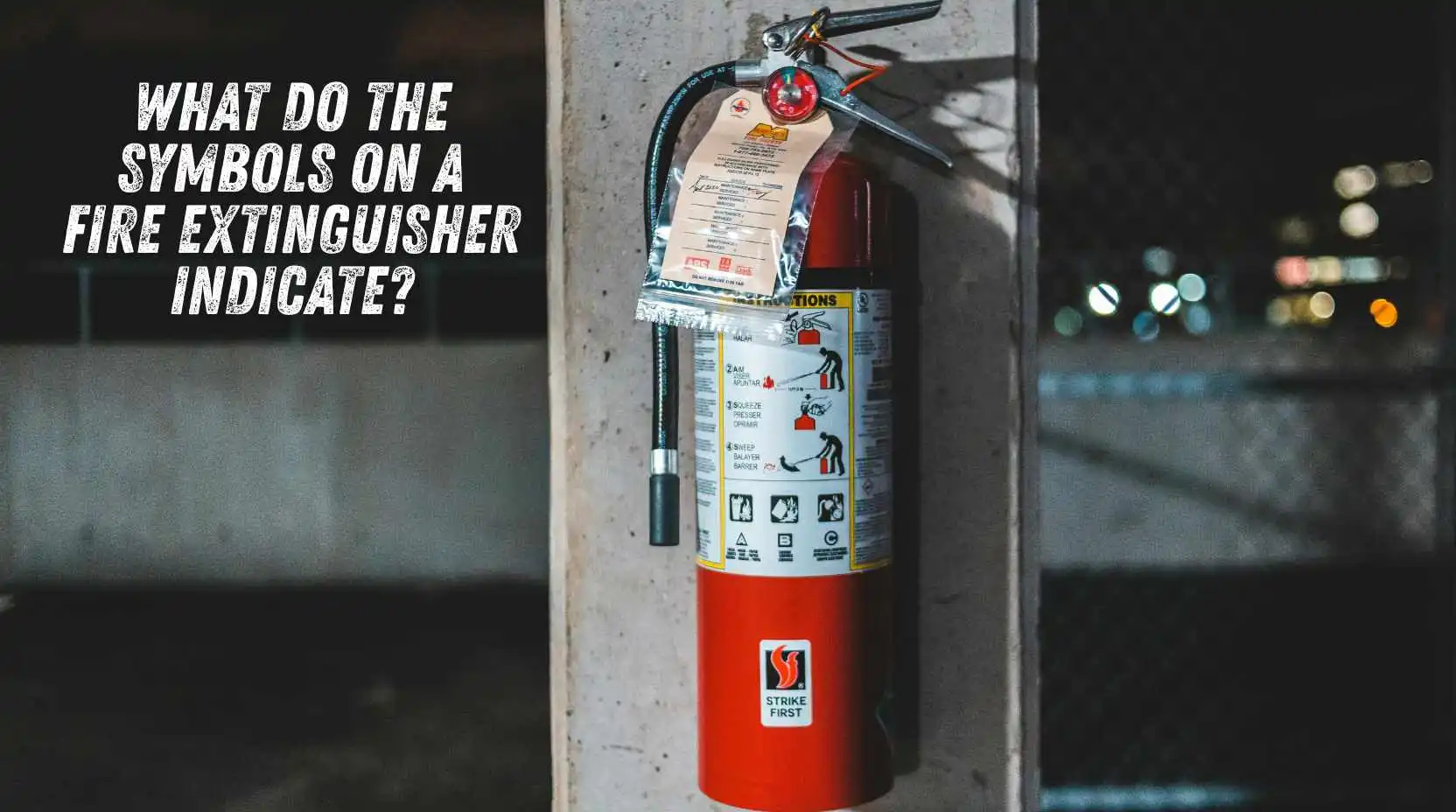
Have you ever looked at a fire extinguisher and noticed the colorful symbols printed on its label? Most people walk past them every day without giving them a second thought.
Yet understanding what do the symbols on a fire extinguisher indicate can make a critical difference during an emergency.
These small icons communicate vital safety information in seconds, helping people choose the right extinguisher and avoid dangerous mistakes. Fire extinguisher symbols are more than simple pictures. They are a universal language of safety designed to protect lives, property, and workplaces.
From homes and schools to factories and airports, these symbols guide people when every second counts. Once you understand their meanings, you will never look at a fire extinguisher the same way again.
Quick Answer
The symbols on a fire extinguisher indicate the types of fires the extinguisher can safely put out. They use letters, shapes, colors, and pictograms to identify fire classes such as ordinary combustibles, flammable liquids, electrical equipment, cooking oils, and combustible metals. These symbols help users quickly select the correct extinguisher during a fire emergency.
Understanding Fire Extinguisher Symbols
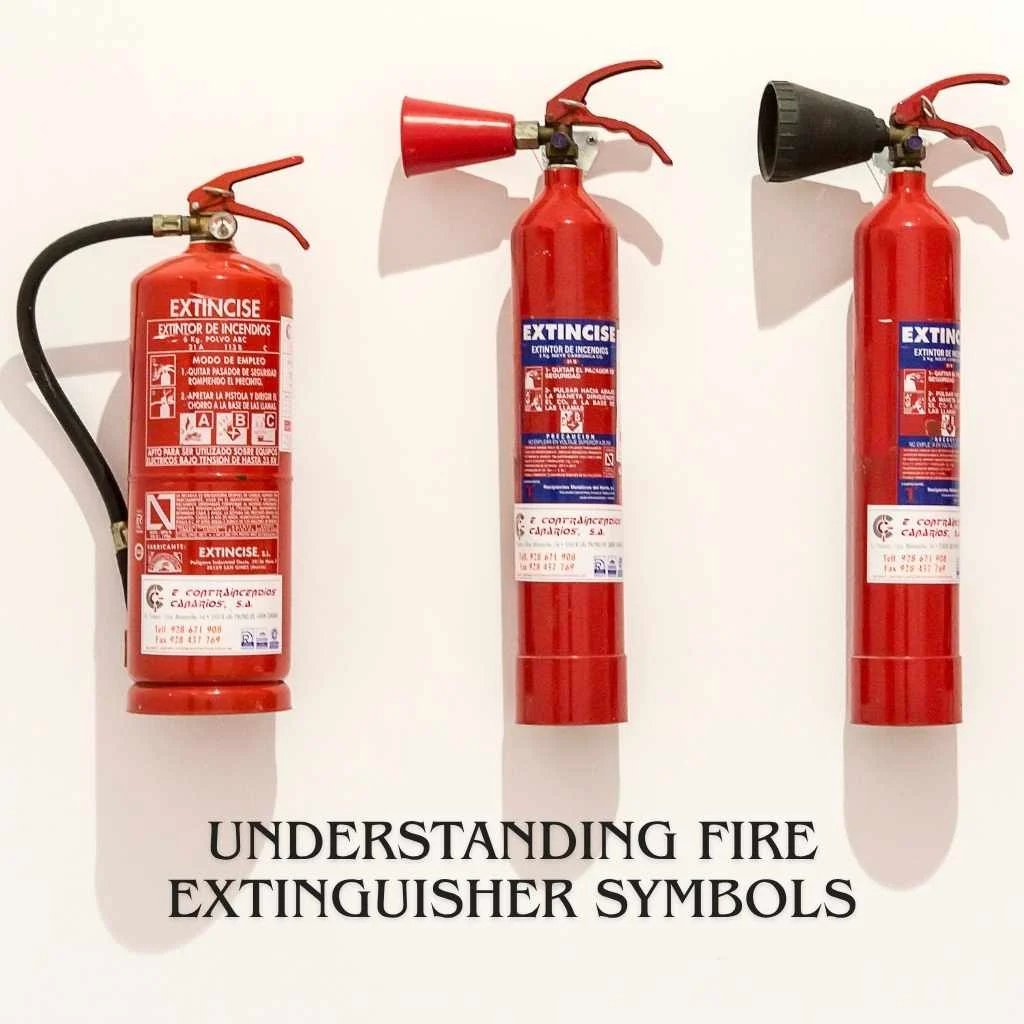
Fire extinguisher symbols are visual safety indicators placed on extinguisher labels. Their main purpose is to show which types of fires the extinguisher can handle and which situations require a different extinguisher.
Since fires can involve many materials, using the wrong extinguisher can make a fire worse. Symbols eliminate confusion by providing instant recognition.
Common information shown through symbols includes:
- Fire classifications
- Suitable fire types
- Unsafe fire types
- Extinguisher contents
- Operating instructions
- Safety warnings
These symbols are standardized in many countries to ensure consistency and easy understanding.
What Makes a Symbol Important on a Fire Extinguisher?
A symbol becomes valuable when it communicates information quickly without relying on language. During a fire emergency, people may panic, making detailed reading difficult.
Effective fire extinguisher symbols share several characteristics:
Instant Recognition
People can understand the symbol within seconds.
Universal Meaning
The symbol remains understandable across cultures and languages.
Safety Focus
Each symbol helps reduce risks and prevent accidents.
Visual Simplicity
Simple shapes and icons are easier to remember during stressful situations.
This is why safety organizations rely heavily on symbols instead of lengthy text instructions.
Most Famous Fire Extinguisher Symbols and Their Meanings
Class A Fire Symbol
The Class A symbol usually features a green triangle with an image of burning wood or trash.
What It Represents
Class A fires involve:
- Wood
- Paper
- Cardboard
- Cloth
- Plastic
- General household materials
Psychological Meaning
The symbol represents protection from everyday fire risks that people encounter at home and work.
Common Locations
- Homes
- Schools
- Offices
- Libraries
Class B Fire Symbol
The Class B symbol commonly appears as a red square with an image of a fuel can and flames.
What It Represents
Class B fires involve:
- Gasoline
- Oil
- Paint
- Solvents
- Grease
- Flammable liquids
Why It Matters
Pouring water on a fuel fire can spread flames rapidly. This symbol warns users to choose the correct extinguisher.
Class C Fire Symbol
The Class C symbol is often shown as a blue circle containing an electrical plug or electrical equipment.
What It Represents
Class C fires involve energized electrical equipment.
Examples include:
- Computers
- Electrical panels
- Appliances
- Wiring systems
Safety Importance
Water conducts electricity. Using the wrong extinguisher on an electrical fire could result in serious injury.
Class D Fire Symbol
The Class D symbol frequently appears as a yellow star.
What It Represents
Class D fires involve combustible metals such as:
- Magnesium
- Titanium
- Sodium
- Potassium
Where Found
These fires are most common in industrial and manufacturing environments.
Class K Fire Symbol
The Class K symbol often displays a black hexagon featuring a cooking pan.
What It Represents
Class K fires involve:
- Cooking oils
- Animal fats
- Vegetable oils
Common Locations
- Restaurants
- Commercial kitchens
- Food preparation facilities
The Meaning Behind Color Coding
Fire extinguisher symbols often work together with color coding.
Green
Represents ordinary combustible materials.
Red
Represents flammable liquids and fuel fires.
Blue
Represents electrical hazards.
Yellow
Represents combustible metals.
Black
Represents cooking oil and grease fires.
Colors provide an additional layer of visual communication, helping users identify fire classes quickly.
Objects and Images Used in Fire Extinguisher Symbols
Fire extinguisher labels frequently use recognizable objects to communicate danger types.
Burning Wood
Represents common combustible materials.
Fuel Can
Represents flammable liquid fires.
Electrical Plug
Represents electrical equipment.
Metal Shavings
Represent combustible metals.
Frying Pan
Represents kitchen grease fires.
These objects make symbols intuitive and easy to understand.
Universal Fire Safety Symbols Around the World
Although regulations vary slightly, many countries use similar fire extinguisher symbols.
United States
Uses fire class letters combined with pictograms.
Europe
Often uses pictorial symbols alongside fire classifications.
Asia
Many countries combine international symbols with local language instructions.
Africa
International standards increasingly influence extinguisher labeling systems.
The widespread use of similar symbols reflects the universal importance of fire safety.
Ancient Origins of Fire Safety Symbols
Humans have used symbols to communicate danger for thousands of years.
Ancient civilizations relied on visual warnings because many people could not read. Simple images communicated hazards effectively.
Examples include:
- Roman military warning signs
- Egyptian hazard markings
- Medieval guild safety symbols
Modern fire extinguisher symbols continue this tradition by using pictures to communicate urgent information instantly.
Fire Extinguisher Symbols and Human Psychology
Why do symbols work so well?
The human brain processes images faster than text. Research consistently shows that visual information is recognized more quickly than written instructions.
During emergencies:
- Stress levels increase
- Decision making slows
- Reading ability decreases
- Visual recognition remains effective
This psychological advantage makes symbols essential for fire safety systems.
The Hidden Meaning of Crossed Out Symbols
Many extinguishers display symbols with a red slash across them.
These crossed out images indicate fires the extinguisher should not be used on.
For example:
- A crossed out electrical plug warns against electrical use.
- A crossed out fuel can warns against flammable liquid fires.
These warning symbols are just as important as approved fire class symbols.
Fire Extinguisher Symbols in Everyday Life
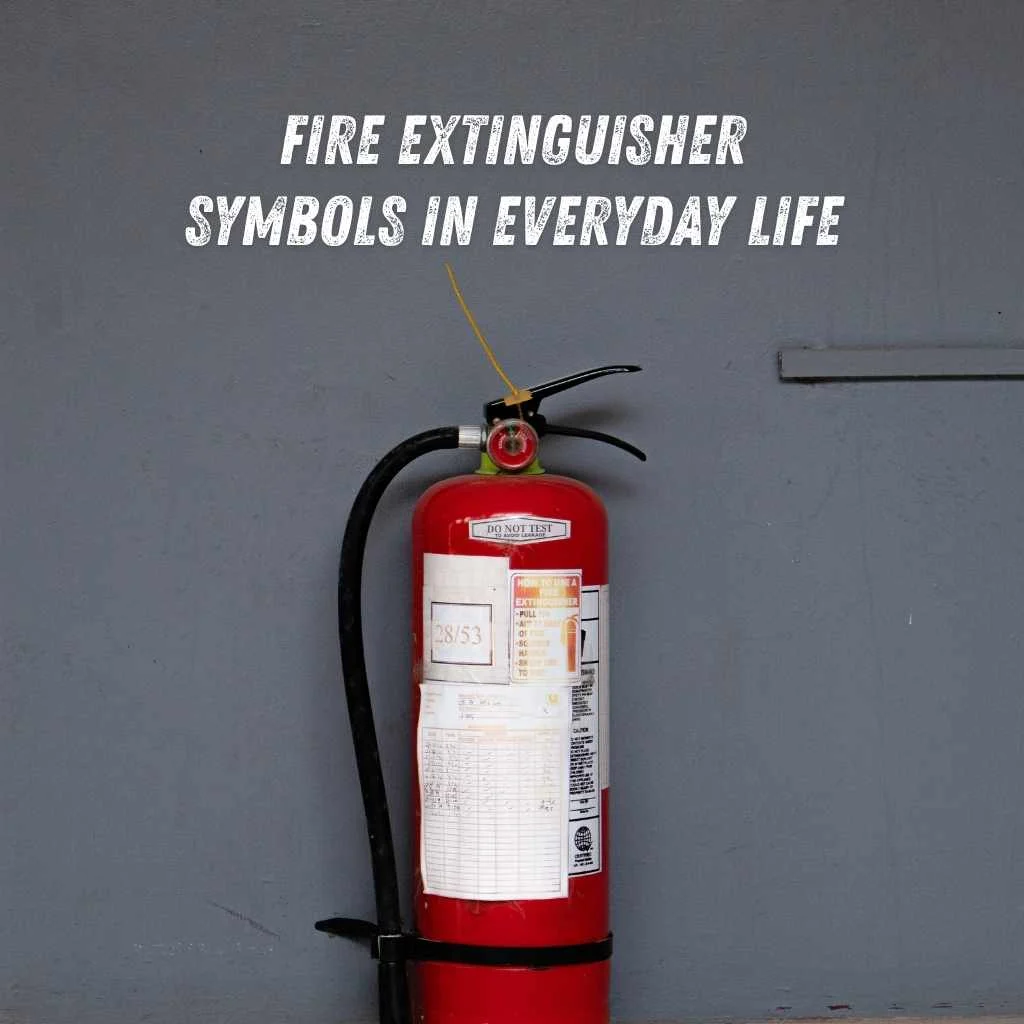
Even outside emergencies, fire extinguisher symbols influence daily safety awareness.
You can find them in:
- Apartments
- Shopping centers
- Hospitals
- Airports
- Hotels
- Factories
- Universities
Understanding these symbols improves preparedness and confidence during unexpected situations.
How Different Fire Extinguishers Use Different Symbols
Water Extinguishers
Usually display the Class A symbol.
Best for:
- Paper
- Wood
- Fabric
Foam Extinguishers
Often display Class A and Class B symbols.
Best for:
- Solids
- Flammable liquids
Carbon Dioxide Extinguishers
Typically display Class B and Class C symbols.
Best for:
- Electrical equipment
- Liquid fires
Dry Chemical Extinguishers
May display multiple symbols.
Commonly used for:
- Class A
- Class B
- Class C fires
Wet Chemical Extinguishers
Display the Class K symbol.
Designed specifically for kitchen fires.
Symbolism in Safety Culture
Fire extinguisher symbols have become powerful symbols of preparedness and protection.
They represent:
- Responsibility
- Prevention
- Emergency readiness
- Public safety
- Community protection
Many organizations use fire safety imagery in training programs because these symbols instantly communicate vigilance and security.
Fire Extinguisher Symbols in Literature and Popular Culture
Safety symbols rarely receive attention in literature, yet they often appear in stories involving emergency response, heroism, and survival.
Writers use fire extinguishers as symbols of:
- Quick thinking
- Human resilience
- Protection
- Crisis management
Movies frequently show characters recognizing extinguisher symbols during emergencies, highlighting their practical importance.
Animal and Nature Connections to Fire Safety Symbols
Although fire extinguisher labels primarily use industrial symbols, nature offers interesting symbolic parallels.
Owl
Represents awareness and vigilance.
Ant
Represents preparation and teamwork.
Elephant
Represents memory and caution.
Water
Represents protection and control.
Mountain
Represents stability and safety.
These natural symbols align with the core values behind fire safety systems.
Spiritual Meaning and Deeper Interpretation
On a symbolic level, fire represents transformation, energy, destruction, and renewal across many cultures.
A fire extinguisher symbol can represent:
- Control over chaos
- Wisdom in emergencies
- Protection of life
- Balance between danger and safety
- Human ingenuity
Many cultures view preparedness as a virtue. Fire extinguisher symbols embody this principle by encouraging readiness before disaster strikes.
Common Mistakes People Make When Reading Fire Extinguisher Symbols
Many people misunderstand extinguisher labels.
Common errors include:
Assuming All Extinguishers Are the Same
Different extinguishers handle different fire classes.
Ignoring Warning Symbols
Crossed out icons provide crucial safety information.
Focusing Only on Color
Colors help, but pictograms and classifications provide complete guidance.
Not Checking Labels Regularly
Symbols should remain visible and readable.
How to Create or Draw a Fire Extinguisher Symbol
If you are designing educational materials or safety presentations, you can create a simple fire extinguisher symbol by following these steps.
Step 1: Choose the Fire Class
Select the category:
- A
- B
- C
- D
- K
Step 2: Select the Shape
Use the standard shape associated with the class.
Examples:
- Triangle
- Square
- Circle
- Star
- Hexagon
Step 3: Add a Relevant Object
Include a visual representation such as:
- Wood
- Fuel can
- Electrical plug
- Metal shavings
- Frying pan
Step 4: Apply Standard Colors
Use recognized safety colors for consistency.
Step 5: Add Warning Indicators
Include a red slash if illustrating prohibited uses.
Simple, clean designs improve recognition and educational value.
Universal Fire Extinguisher Symbols Everyone Should Know
If you remember only a few symbols, focus on these:
| Symbol | Fire Type |
| Class A | Wood, paper, cloth |
| Class B | Gasoline, oils, solvents |
| Class C | Electrical equipment |
| Class D | Combustible metals |
| Class K | Cooking oils and fats |
These symbols cover the most important fire risks encountered in daily life and workplaces.
Why Learning Fire Extinguisher Symbols Matters
Understanding fire extinguisher symbols provides benefits beyond compliance.
It helps you:
- Respond faster during emergencies
- Protect family members
- Reduce property damage
- Improve workplace safety
- Build confidence in crisis situations
A few minutes spent learning these symbols can have life saving value.
Frequently Asked Questions
What do the symbols on a fire extinguisher indicate?
They indicate the types of fires the extinguisher can safely extinguish and the situations where it should not be used.
What does the Class A symbol mean?
The Class A symbol identifies fires involving ordinary combustible materials such as wood, paper, cardboard, and cloth.
Why are some fire extinguisher symbols crossed out?
A red slash through a symbol indicates that the extinguisher should not be used on that particular type of fire.
Are fire extinguisher symbols the same worldwide?
Many countries use similar symbols and classifications, though some labeling standards and colors may differ slightly.
Which fire extinguisher symbol is used for kitchen fires?
The Class K symbol, often displayed with a cooking pan image, identifies extinguishers designed for cooking oils and grease fires.
Conclusion
Fire extinguisher symbols are far more than simple images printed on a label. They provide critical information that helps people make safe decisions during dangerous situations.
By understanding what the symbols on a fire extinguisher indicate, you gain the ability to identify fire risks, choose the correct extinguisher, and respond confidently in an emergency. These universal safety symbols represent preparedness, protection, and human ingenuity. Learning their meanings today could help save lives tomorrow.

Ryan Scott is a dedicated writer and symbol researcher who uncovers the deeper meanings behind everyday signs and symbols. His work focuses on making complex symbolic concepts simple, engaging, and easy to understand for readers from all backgrounds.
He is the author of Hidden Symbol Codes and Secrets Behind Ancient Symbols, where he explores the origins and meanings of symbols across different cultures.
Ryan’s goal is to inspire curiosity and help readers see the world from a new perspective through the language of symbols.
 Sophia Bennett
 Andrew Clark