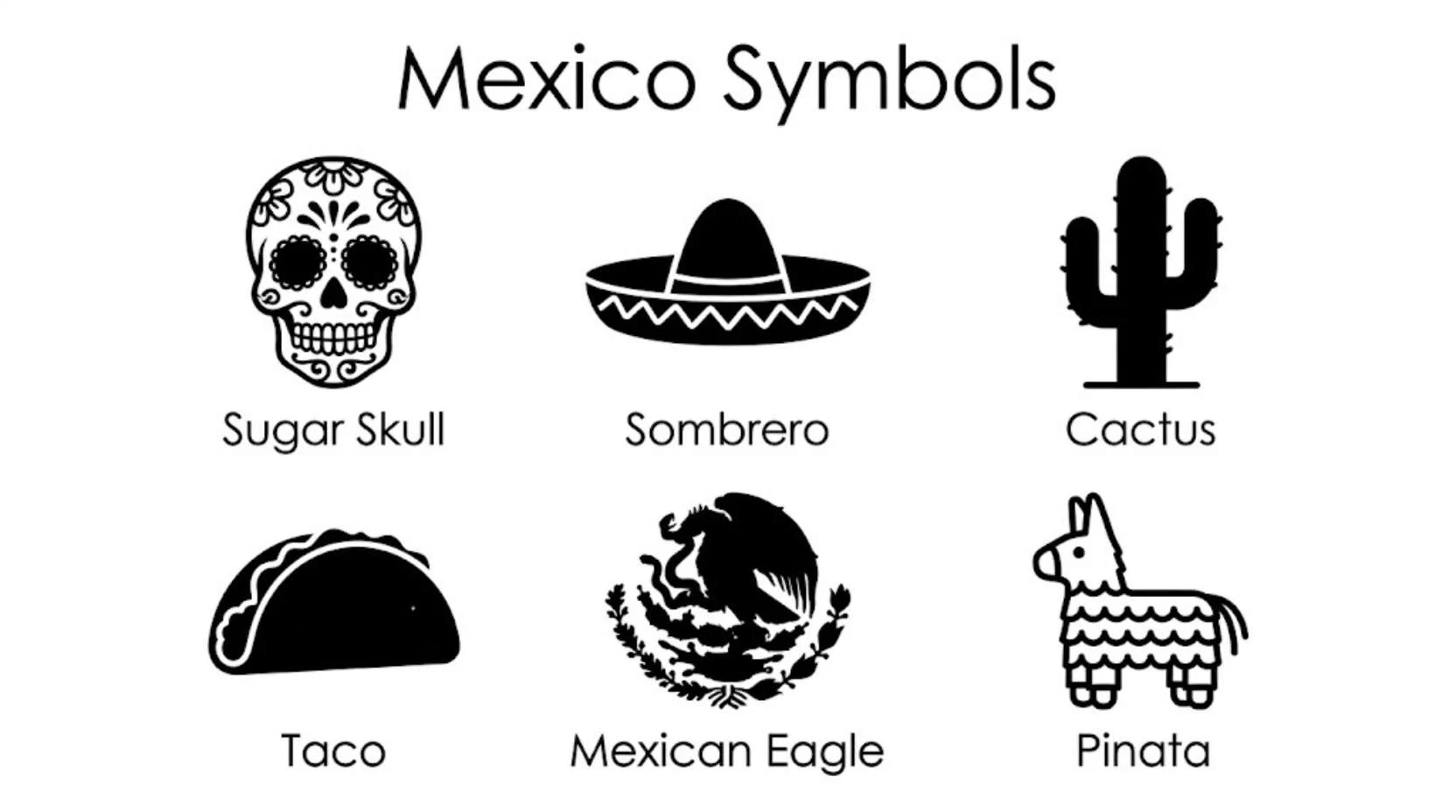
“Mexico symbols” tell stories far deeper than colors, flags, or ancient images. They carry the emotions of revolution, indigenous wisdom, spiritual belief, family pride and national identity.
From the eagle on the Mexican flag to marigold flowers glowing during Día de los Muertos, these symbols connect millions of people to their roots, traditions, and collective memory.
Many symbols of Mexico come from Aztec legends, Maya culture, Catholic influence, and natural beauty. Some represent courage and freedom, while others symbolize life, death, rebirth, and hope. Every symbol has layers of meaning hidden inside it.
In this guide, you will discover the most powerful Mexico symbols, their history, emotional meaning, cultural importance, and how they continue to shape art, literature, tattoos, festivals, and everyday life.
Quick Answer
Mexico symbols are cultural, historical, spiritual, and national representations connected to Mexican identity. The most famous symbols include the eagle and serpent, the Mexican flag, marigold flowers, the jaguar, the Virgin of Guadalupe, sugar skulls and ancient Aztec imagery. These symbols represent strength, heritage, spirituality, freedom, life and national pride.
What Makes Something a Symbol of Mexico?
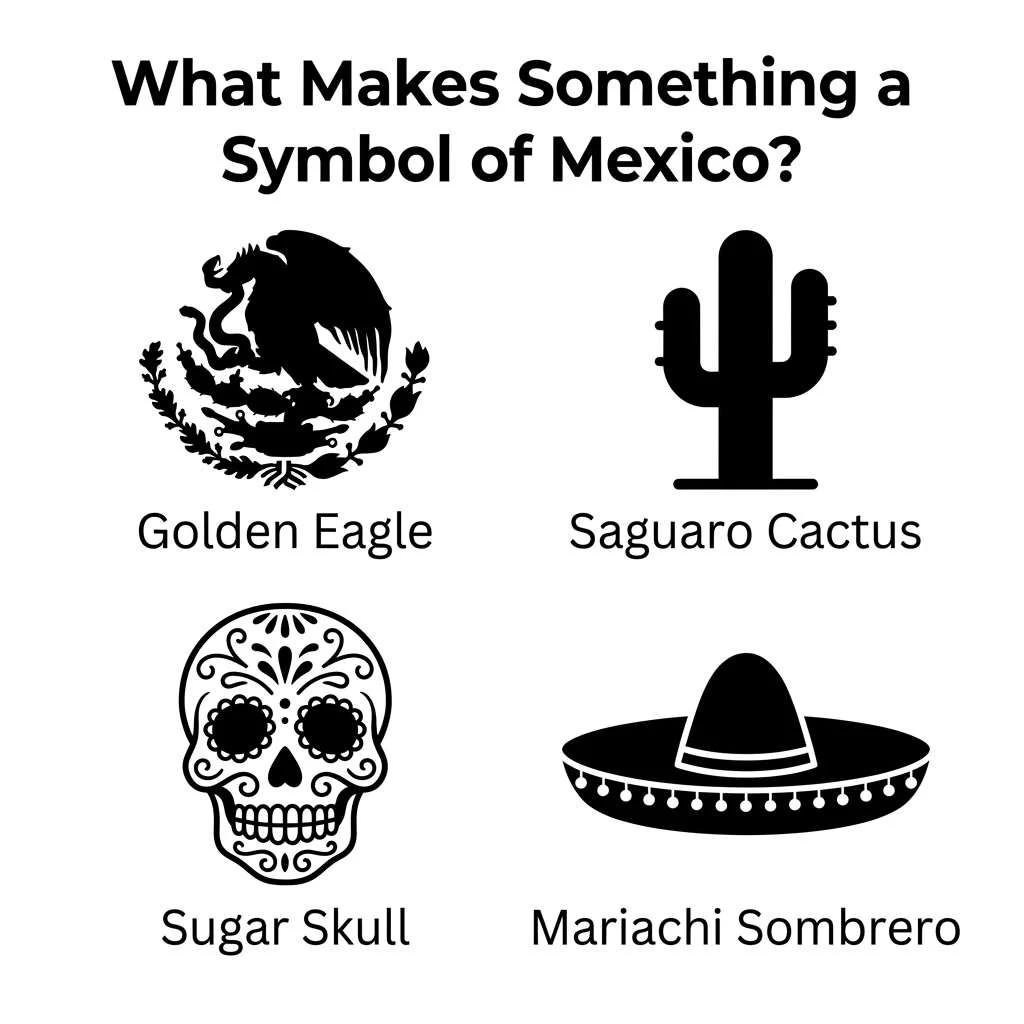
A symbol becomes part of Mexican culture when it reflects the nation’s shared history, beliefs, struggles, and emotions. Many Mexican symbols grew from indigenous civilizations long before modern Mexico existed.
These symbols usually represent:
- National identity
- Spiritual beliefs
- Resistance and freedom
- Nature and fertility
- Family and tradition
- Life and death
- Courage and sacrifice
Mexico is unique because its symbols combine indigenous traditions with Spanish colonial influence. This blend created one of the richest symbolic cultures in the world.
For example:
- The eagle symbolizes strength and destiny.
- The cactus represents survival in difficult conditions.
- Sugar skulls honor loved ones who passed away.
- Jaguars symbolize power and spiritual energy.
These meanings still influence Mexican art, clothing, festivals, architecture, and storytelling today.
The Most Famous Mexico Symbols
The Eagle and Serpent
The eagle eating a serpent while standing on a cactus is the most recognized symbol of Mexico.
According to Aztec legend, the gods told the Aztecs to build their city where they found this exact image. They discovered it on an island in Lake Texcoco, where Mexico City stands today.
Meaning of the Eagle and Serpent
- Eagle symbolizes courage, strength, and the sun
- Serpent represents wisdom, transformation, and earthly power
- Cactus symbolizes endurance and survival
Together, they represent the victory of spirit, destiny, and divine guidance.
This symbol appears in:
- The Mexican flag
- Government seals
- Coins and official documents
- National celebrations
The Mexican Flag
The Mexican flag is one of the strongest national symbols in the world.
It contains three vertical colors:
- Green for hope and independence
- White for unity and faith
- Red for the blood of national heroes
At the center stands the eagle and serpent emblem.
Psychological Meaning
The flag creates feelings of:
- Patriotism
- Unity
- Sacrifice
- National pride
During sports events and celebrations, Mexicans proudly wave the flag as a symbol of collective identity.
The Virgin of Guadalupe
The Virgin of Guadalupe is both a religious and cultural symbol of Mexico.
Millions believe she appeared to Juan Diego in 1531 near Mexico City. Her image became a powerful sign of faith, compassion, protection, and unity.
Spiritual Meaning
She symbolizes:
- Motherhood
- Healing
- Hope
- Divine protection
- Compassion
Her image appears in:
- Churches
- Homes
- Tattoos
- Murals
- Candles
- Jewelry
For many Mexicans, she represents emotional comfort during difficult times.
Animal Symbols in Mexican Culture
Jaguar
The jaguar was sacred to ancient Maya and Aztec civilizations.
It represented:
- Power
- Night energy
- Leadership
- Protection
- Spiritual authority
Ancient warriors often wore jaguar skins to gain symbolic strength.
Did You Know?
Aztec Jaguar Warriors formed one of the most elite military groups in ancient Mexico.
Golden Eagle
The golden eagle remains one of the strongest national animal symbols.
It symbolizes:
- Freedom
- Vision
- Victory
- Courage
Because eagles fly high above the earth, many cultures viewed them as messengers between humans and the divine world.
Monarch Butterfly
Monarch butterflies migrate to Mexico every year and carry deep spiritual meaning.
Many families believe the butterflies represent the souls of ancestors returning during Día de los Muertos celebrations.
Emotional Meaning
They symbolize:
- Transformation
- Renewal
- Rebirth
- Spiritual connection
Their arrival creates feelings of remembrance and emotional healing.
Xoloitzcuintli Dog
The Xoloitzcuintli, often called the Xolo dog, is one of the oldest dog breeds in the world.
Ancient Mexicans believed these dogs guided souls safely into the afterlife.
Today, the breed symbolizes:
- Loyalty
- Protection
- Spiritual guidance
- Ancient wisdom
Nature Symbols of Mexico
Cactus
The nopal cactus appears in the Mexican national emblem and carries strong symbolic meaning.
It represents:
- Survival
- Strength
- Adaptability
- Connection to the land
Even in harsh desert conditions, the cactus continues to grow. This resilience mirrors the spirit of the Mexican people.
Marigold Flowers
Marigolds, called cempasúchil in Mexico, are essential during Día de los Muertos.
Their bright orange color and fragrance are believed to guide spirits home.
Spiritual Symbolism
Marigolds represent:
- Remembrance
- Light
- Love
- The connection between life and death
Families create flower paths during celebrations to welcome ancestors.
Corn
Corn has been sacred in Mexico for thousands of years.
Ancient civilizations believed humans were created from corn by the gods.
Corn symbolizes:
- Life
- Nourishment
- Fertility
- Community
- Survival
Mexican cuisine and culture still revolve around corn today.
Ancient Mexican Symbols and Their Meanings
Aztec Sun Stone
The Aztec Sun Stone is often called the Aztec Calendar.
It contains detailed carvings representing:
- Time
- Cosmic cycles
- Gods
- Human destiny
Deeper Interpretation
The stone reminds people that life moves in cycles of creation and destruction.
Its complex imagery continues to inspire modern artists and historians.
Feathered Serpent
The Feathered Serpent, known as Quetzalcoatl, was one of the most important gods in Mesoamerican culture.
This symbol combines:
- Feathers for heaven and spirituality
- Serpent energy for earth and wisdom
It symbolizes balance between physical and spiritual existence.
Skull Imagery
In many cultures, skulls represent fear. In Mexico, they often symbolize remembrance and celebration of life.
Sugar skulls during Día de los Muertos honor loved ones with colorful decoration and joyful symbolism.
Emotional Meaning
They teach people:
- Death is natural
- Memories continue forever
- Life should be celebrated fully
This perspective creates a healthier emotional relationship with mortality.
Objects and Actions That Represent Mexico
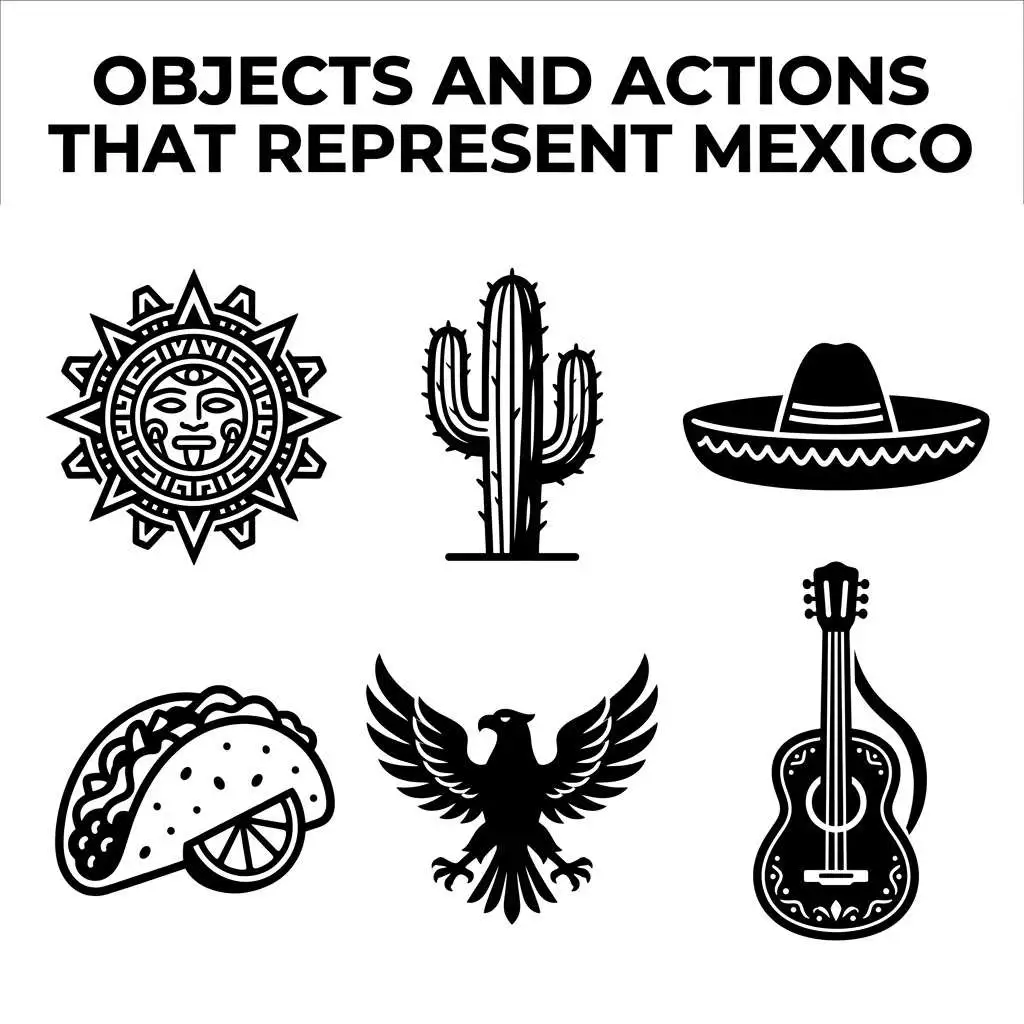
Sombrero
The sombrero became an international symbol of Mexican heritage.
Traditionally, it represented:
- Protection from the sun
- Rural life
- Charro culture
- Pride and identity
Today, it remains connected to Mexican celebrations and music traditions.
Mariachi Music
Mariachi musicians symbolize celebration, emotion, and cultural pride.
Their music often expresses:
- Love
- Heartbreak
- Patriotism
- Family values
The mariachi outfit itself has become an iconic visual symbol worldwide.
Piñata
Piñatas are colorful objects filled with candy and treats.
Originally connected to religious symbolism, they later became part of celebrations and family gatherings.
Symbolic Meaning
Breaking a piñata represents:
- Overcoming temptation
- Reward after struggle
- Joy and unity
Children especially connect these symbols with happiness and celebration.
Spiritual Meaning Behind Mexico Symbols
Mexican symbolism often focuses on the connection between life, death, and rebirth.
Unlike cultures that avoid discussing death, Mexican traditions embrace it with honesty and warmth.
Life and Death Together
Many Mexican symbols teach that:
- Death is part of life
- Ancestors remain spiritually present
- Memory keeps people alive
- Spiritual energy continues
This philosophy appears in:
- Día de los Muertos
- Candles
- Flowers
- Altars
- Sugar skulls
Duality in Mexican Symbolism
Ancient Mexican beliefs often balanced opposites:
- Light and darkness
- Life and death
- Earth and sky
- Masculine and feminine energy
This duality appears in art, mythology, and spiritual practices across Mexican culture.
Mexico Symbols in Literature and Art
Mexican writers and artists use symbolism to express identity, struggle, spirituality, and emotional depth.
Frida Kahlo’s Symbolism
The artwork of Frida Kahlo contains deep symbolic imagery.
Common symbols in her paintings include:
- Monkeys representing protection
- Thorns symbolizing suffering
- Flowers representing femininity
- Animals symbolizing emotional instincts
Her art transformed personal pain into universal meaning.
Murals and Revolutionary Art
Mexican muralists used symbols to tell stories about:
- Indigenous identity
- Revolution
- Social justice
- National pride
Walls became visual history books for the public.
Symbolism in Mexican Literature
Writers often use:
- Desert imagery
- Religious symbolism
- Ancestors
- Nature
- Mythology
These symbols create emotional layers that reflect Mexican identity and history.
Symbols in Everyday Mexican Life
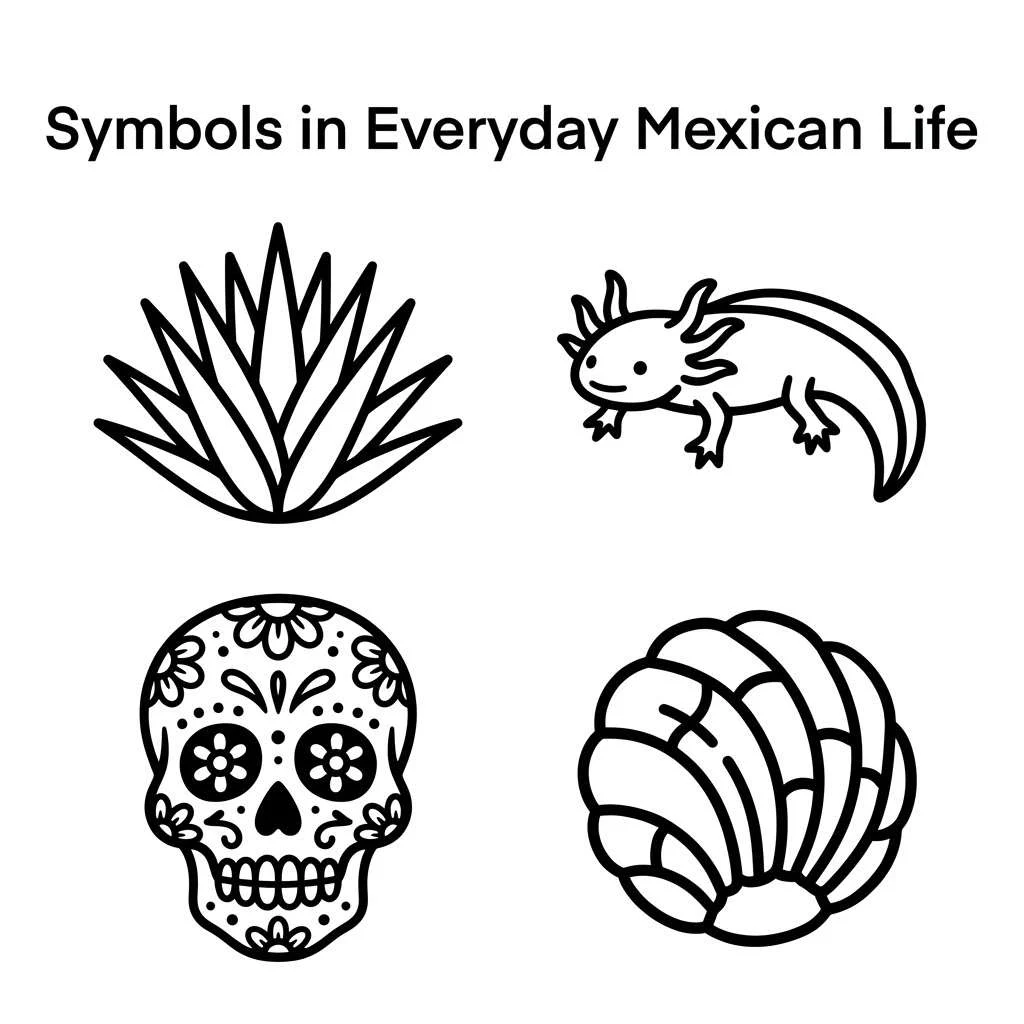
Mexico symbols are not limited to museums or history books. They appear everywhere in daily life.
Common Everyday Symbols
You can see Mexican symbolism in:
- Clothing embroidery
- Jewelry
- Street art
- Food decorations
- Home altars
- Architecture
- Festival decorations
These symbols help preserve cultural identity across generations.
Food as Symbolism
Mexican food itself carries symbolic meaning.
For example:
- Tamales symbolize family unity
- Bread of the Dead honors ancestors
- Chocolate represents celebration and sacred history
Meals often become emotional and spiritual experiences shared among families.
Mexico Symbol Tattoo Ideas and Meanings
Mexican symbols make powerful tattoo designs because they carry emotional, spiritual, and personal significance.
Eagle and Serpent Tattoo
Represents:
- Strength
- Freedom
- National pride
- Personal victory
Sugar Skull Tattoo
Represents:
- Remembering loved ones
- Celebration of life
- Spiritual continuity
Marigold Flower Tattoo
Represents:
- Guidance
- Love
- Eternal connection
Jaguar Tattoo
Represents:
- Courage
- Protection
- Inner strength
Aztec Calendar Tattoo
Represents:
- Time
- Destiny
- Wisdom
- Spiritual awareness
Many people choose these tattoos to stay connected to heritage, family history, or personal transformation.
Universal Symbols Connected to Mexico
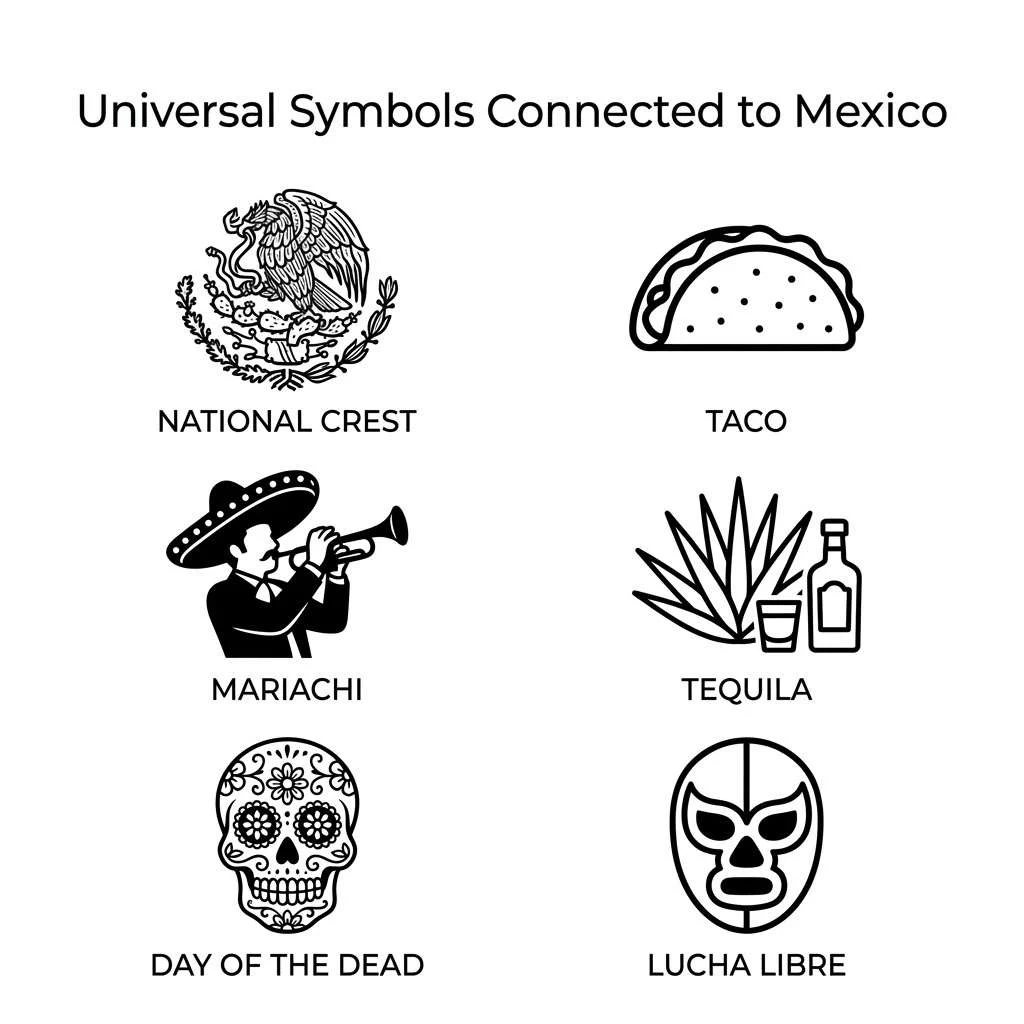
Some symbols have become globally recognized representations of Mexico.
Globally Recognized Mexico Symbols
- Mexican flag
- Eagle and serpent
- Mariachi musicians
- Sombreros
- Sugar skulls
- Marigold flowers
- Tacos and corn imagery
- Cactus landscapes
These symbols appear in films, tourism, fashion, and international celebrations.
How to Create or Draw a Mexico Inspired Symbol?
Creating a Mexican inspired symbol involves combining meaningful elements connected to culture, nature, and spirituality.
Step 1: Choose a Core Meaning
Decide what your symbol should represent:
- Strength
- Family
- Heritage
- Spirituality
- Freedom
- Transformation
Step 2: Add Symbolic Elements
Examples include:
- Eagle for courage
- Cactus for resilience
- Marigold for remembrance
- Serpent for wisdom
- Sun for energy
Step 3: Use Traditional Shapes and Colors
Mexican symbolic art often includes:
- Circular patterns
- Geometric shapes
- Bright colors
- Floral details
Step 4: Include Emotional Meaning
The strongest symbols create emotional connection. Think about memories, values, and personal experiences while designing.
Why Mexico Symbols Matter Today
Mexico symbols continue to matter because they preserve cultural memory in a rapidly changing world.
They help people:
- Stay connected to ancestry
- Express identity
- Honor traditions
- Heal emotionally
- Celebrate community
For younger generations, these symbols also become a bridge between modern life and ancient heritage.
Did You Know?
Many Mexican symbols used today are thousands of years old and still carry nearly the same meanings they had in ancient civilizations.
That cultural continuity is incredibly rare in world history.
Frequently Asked Questions About Mexico Symbols
What is the main symbol of Mexico?
The main symbol of Mexico is the eagle devouring a serpent while standing on a cactus. It appears on the national flag and comes from Aztec legend.
Why is the eagle important in Mexican culture?
The eagle symbolizes strength, courage, freedom, and divine destiny. It also represents the founding story of Mexico City.
What do sugar skulls symbolize in Mexico?
Sugar skulls symbolize remembrance, celebration of life, and connection with ancestors during Día de los Muertos.
What flower symbolizes Mexico?
Marigold flowers symbolize remembrance, spiritual guidance, and the connection between the living and the dead.
What animal represents Mexican spirituality?
The jaguar represents spiritual power, protection, leadership, and sacred energy in ancient Mexican traditions.
Why are ancient Aztec symbols still important today?
Ancient Aztec symbols preserve cultural identity, spiritual meaning, and historical memory. Many modern Mexican traditions still use these ancient images and beliefs.
Conclusion
Mexico symbols are far more than decorative images or national icons. They hold centuries of emotion, spirituality, resistance, and cultural wisdom inside them. From the eagle and serpent to marigold flowers and sugar skulls, every symbol reflects the soul of a people deeply connected to history, family and identity.
These symbols continue to inspire art, literature, tattoos, and traditions across the world. Understanding their meanings helps us see Mexico not just as a country, but as a living cultural story filled with resilience, beauty, and spirit.

Andrew Clark is a dedicated writer and researcher with a deep passion for symbols, their hidden meanings, and the stories they carry across cultures and time. With years of study and curiosity-driven exploration, he simplifies complex symbolic concepts into clear and engaging insights that help readers connect with deeper meanings in everyday life.
He is the author of “Hidden Codes of Human Symbols” and “The Secret Patterns of Ancient Signs”, two original works that explore the spiritual, historical, and psychological layers behind symbols. His writing blends clarity with depth, making even the most complex symbolic interpretations feel simple and meaningful.
Through his work on this website, Andrew aims to guide readers toward understanding the true essence of symbols, whether they appear in dreams, ancient traditions, or modern life. His goal is simple: to help you see beyond the surface and discover the powerful messages hidden in plain sight.
 Sophia Bennett
 Ryan Scott