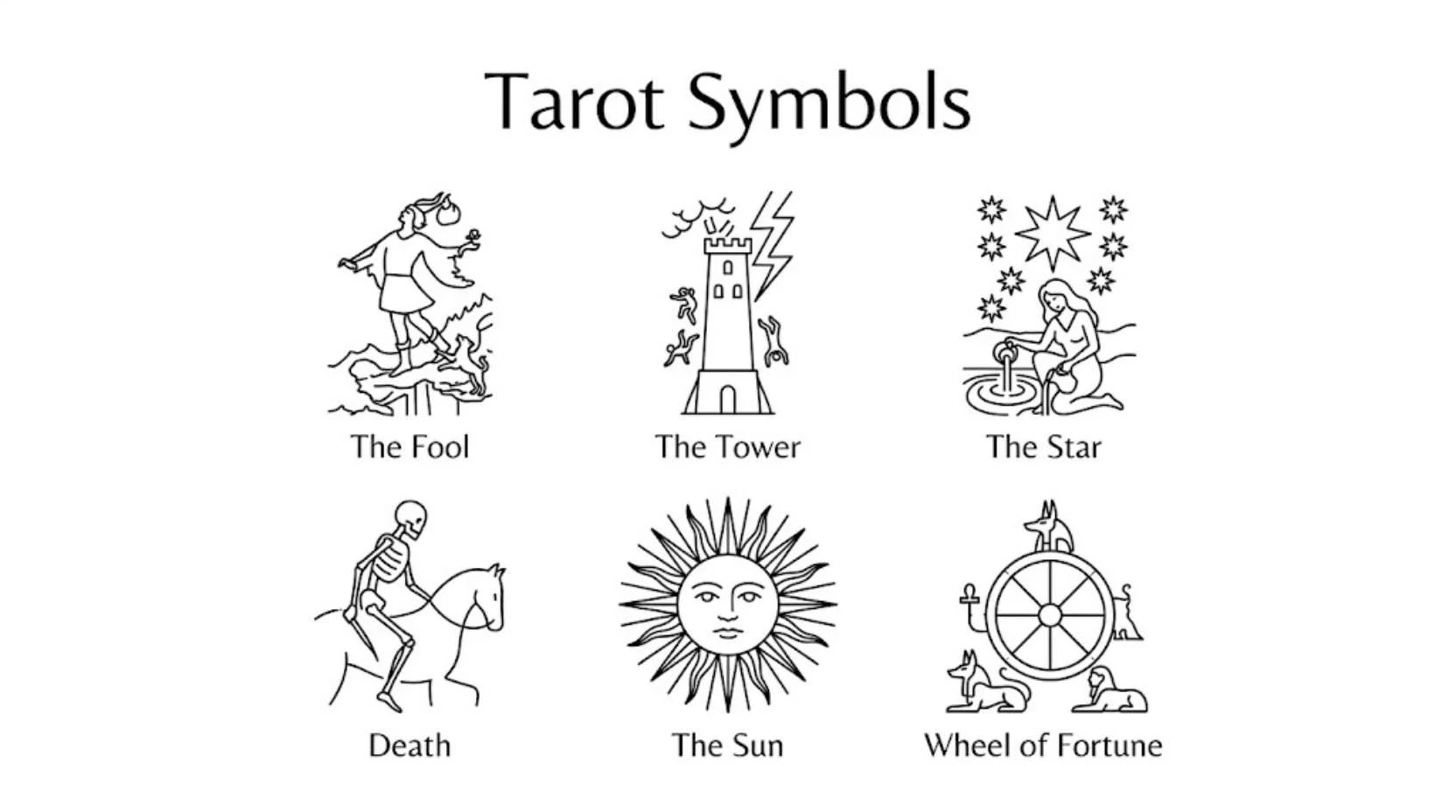
“Tarot symbols” have fascinated people for centuries because they speak directly to the human mind, emotions and spiritual imagination.
A single image on a tarot card can represent hope, fear, transformation, love, or destiny without saying a single word. Across history, cultures used symbols to explain life’s mysteries, and tarot became one of the richest visual languages ever created.
From mysterious moons to powerful animals and sacred objects, these symbols carry deeper meanings that many people overlook.
This guide uncovers the hidden layers behind tarot symbols and explains why they continue to influence spirituality, psychology, art and personal growth today.
Quick Answer
Tarot symbols are visual images, colors, animals, objects and patterns used in tarot cards to represent emotions, spiritual lessons, life experiences, and universal truths. Common tarot symbols include the sun, moon, stars, water, swords, roses, snakes and animals, each carrying deep psychological and spiritual meaning.
What Makes Something A Tarot Symbol?
A tarot symbol becomes meaningful when it represents an idea larger than itself. In tarot, every detail matters. Colors, facial expressions, weather, animals, numbers, and even hand gestures communicate messages to the reader.
Tarot symbolism works because humans naturally connect emotions with visual imagery. Long before written language became common, civilizations used symbols to share beliefs, fears, and wisdom.
Key Traits Of Tarot Symbols
- They carry emotional meaning
- They represent spiritual lessons
- They connect to universal human experiences
- They appear repeatedly across cultures
- They trigger intuition and imagination
For example:
- A rising sun often symbolizes hope and rebirth
- A snake can represent transformation or hidden danger
- Water usually reflects emotions and intuition
- Mountains symbolize obstacles and spiritual growth
Many tarot symbols come from ancient traditions including Egyptian mythology, Christian mysticism, astrology, alchemy, Kabbalah, and medieval art.
Most Famous Tarot Symbols And Their Meanings
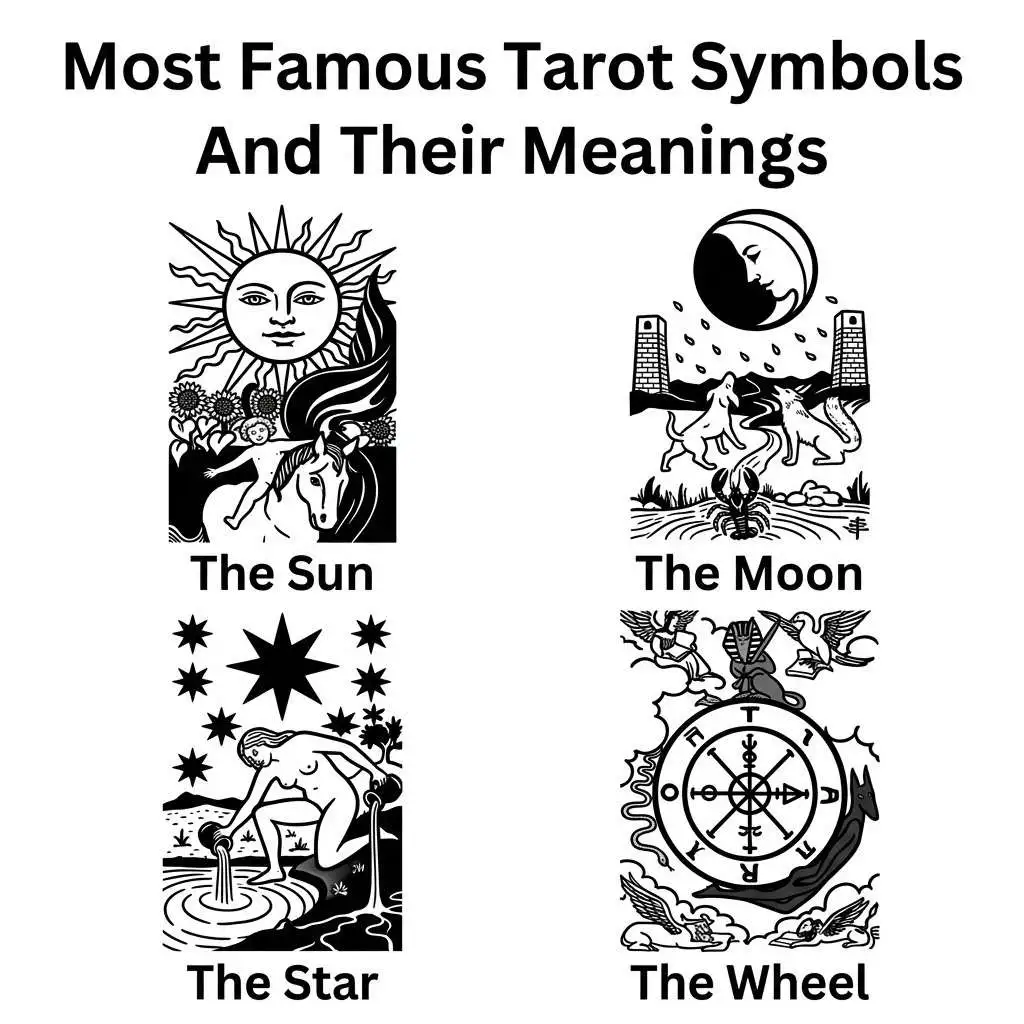
Certain tarot symbols appear again and again because they reflect universal human emotions and experiences.
The Sun Symbol
The sun is one of the most positive tarot symbols. It represents:
- Joy
- Clarity
- Success
- Confidence
- Vitality
In tarot readings, the sun often appears after difficult cards, showing that truth and happiness are finally emerging.
Psychologically, sunlight connects to optimism and emotional healing. Many cultures also viewed the sun as a divine force of life.
The Moon Symbol
The moon symbolizes mystery and the subconscious mind. It often points toward:
- Illusion
- Dreams
- Anxiety
- Intuition
- Hidden truths
The moon card in tarot reflects moments when life feels uncertain. It encourages trusting intuition instead of logic alone.
Did you know? Ancient civilizations believed the moon controlled emotions, sleep cycles, and spiritual visions.
The Star Symbol
Stars symbolize guidance and spiritual hope. They often appear during moments of emotional recovery.
The meaning of star symbols includes:
- Inspiration
- Faith
- Healing
- Renewal
- Divine direction
In tarot, stars remind readers that even during darkness, light still exists.
The Wheel Symbol
The Wheel of Fortune contains one of the most recognized tarot symbols. It represents life cycles and destiny.
This symbol reflects:
- Change
- Karma
- Luck
- Movement
- The ups and downs of life
Many people connect deeply with this symbol because life constantly changes.
Animal Tarot Symbols And Their Spiritual Meaning
Animals in tarot symbolize instincts, personality traits, and spiritual energies. Different cultures interpret these creatures in unique ways.
Lion Symbolism
The lion represents courage and inner strength. It commonly appears in the Strength card.
The emotional meaning behind lions includes:
- Confidence
- Leadership
- Emotional control
- Protection
In African traditions, lions symbolize royal power. In Western symbolism, they often represent bravery.
Snake Symbolism
Snakes are among the oldest spiritual symbols in human history.
In tarot, snakes can symbolize:
- Transformation
- Rebirth
- Temptation
- Hidden wisdom
- Healing energy
A snake shedding its skin reflects personal growth and renewal.
Wolf Symbolism
Wolves represent instinct and independence.
Their tarot meaning includes:
- Survival
- Spiritual guidance
- Loyalty
- Wild freedom
- Intuition
In Native American traditions, wolves often symbolize teachers and protectors.
Butterfly Symbolism
Butterflies symbolize transformation and personal evolution.
Their deeper meanings include:
- New beginnings
- Spiritual awakening
- Emotional growth
- Freedom
- Beauty after struggle
People often choose butterfly tarot tattoos after major life changes.
Nature Symbols In Tarot Cards
Nature plays a huge role in tarot symbolism because humans emotionally connect with natural elements.
Water Symbolism
Water represents emotions, intuition, healing, and the subconscious mind.
Different forms of water carry different meanings:
- Calm water symbolizes peace
- Stormy water reflects emotional chaos
- Rivers symbolize life movement
- Oceans represent mystery and depth
Fire Symbolism
Fire represents passion, energy, and transformation.
Fire can symbolize:
- Creativity
- Anger
- Motivation
- Desire
- Spiritual purification
In tarot, fire often appears in the Wands suit.
Mountain Symbolism
Mountains symbolize challenges and spiritual journeys.
Climbing mountains in tarot imagery suggests:
- Personal growth
- Persistence
- Wisdom gained through struggle
- Achievement
Trees In Tarot Symbolism
Trees represent life, stability, and spiritual connection.
Common meanings include:
- Family roots
- Wisdom
- Growth
- Balance
- Connection between heaven and earth
The tree symbol appears in many ancient spiritual traditions around the world.
Tarot Objects And Their Hidden Meanings
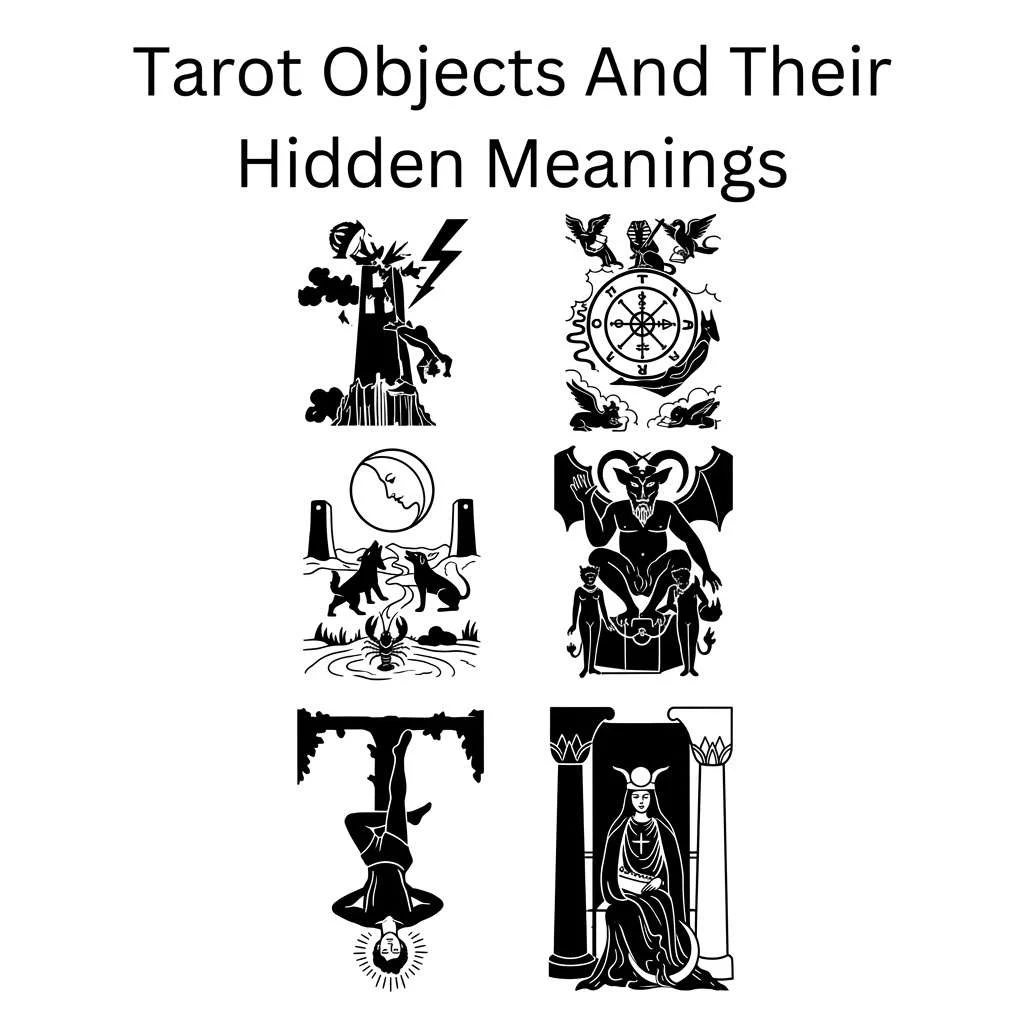
Objects inside tarot cards often hold deeper symbolism than most people realize.
Sword Symbols
Swords represent the mind and truth.
Their meanings include:
- Conflict
- Intelligence
- Decisions
- Communication
- Mental clarity
In psychology, swords reflect the power of thought and logic.
Cups And Chalices
Cups symbolize emotions and relationships.
They represent:
- Love
- Emotional fulfillment
- Compassion
- Spiritual connection
The Holy Grail mythology strongly influenced cup symbolism in tarot traditions.
Keys In Tarot
Keys symbolize unlocking hidden truths and opportunities.
They often represent:
- Wisdom
- Spiritual access
- Secrets
- Discovery
- Freedom
People emotionally connect with key symbols because they suggest hidden potential.
Crowns And Thrones
Crowns symbolize authority and achievement.
These symbols often reflect:
- Leadership
- Responsibility
- Power
- Success
- Self mastery
In tarot, kings and queens holding crowns represent emotional or intellectual control.
Ancient And Cultural Tarot Symbols Around The World
Tarot symbolism combines influences from multiple civilizations and spiritual systems.
Egyptian Symbolism
Many people believe tarot contains ancient Egyptian influences.
Common Egyptian style symbols include:
- The ankh for eternal life
- The eye for protection and awareness
- Sacred animals for divine power
Egyptian symbolism focused heavily on life after death and spiritual transformation.
European Medieval Symbolism
Medieval Europe shaped much of modern tarot imagery.
Popular symbols included:
- Castles
- Crowns
- Angels
- Knights
- Religious imagery
These symbols reflected morality, destiny, and spiritual struggle.
Asian Symbolic Influence
Asian spiritual traditions contributed ideas about balance and enlightenment.
Common themes include:
- Yin and yang energies
- Harmony with nature
- Inner peace
- Spiritual discipline
These ideas align closely with tarot’s focus on self understanding.
African Symbolic Traditions
African symbolism often emphasizes ancestral wisdom and spiritual energy.
Animals, drums, masks, and natural elements carry deep meanings connected to identity and community.
Did you know? Many modern tarot artists now blend African symbolism into contemporary decks to create more inclusive spiritual imagery.
Spiritual Meaning Of Tarot Symbols
Tarot symbols work on a spiritual level because they speak through emotion and intuition rather than direct language.
Many people view tarot as a mirror of the soul. The symbols often reveal feelings or fears hidden beneath conscious awareness.
Why Tarot Symbols Feel So Personal
Humans naturally respond to symbols because the subconscious mind thinks in images.
Carl Jung, the famous psychologist, explored how universal archetypes appear across myths, dreams, and spiritual systems. Tarot symbols often match these archetypes perfectly.
Examples include:
- The Hero
- The Mother
- The Shadow
- The Wise Elder
- The Fool
This psychological connection explains why tarot readings can feel deeply emotional.
The Fool Symbol
The Fool represents new beginnings and trust in life’s journey.
Despite the name, this card symbolizes courage and possibility.
Its spiritual meaning includes:
- Innocence
- Freedom
- Adventure
- Taking risks
- Personal growth
Death Card Symbolism
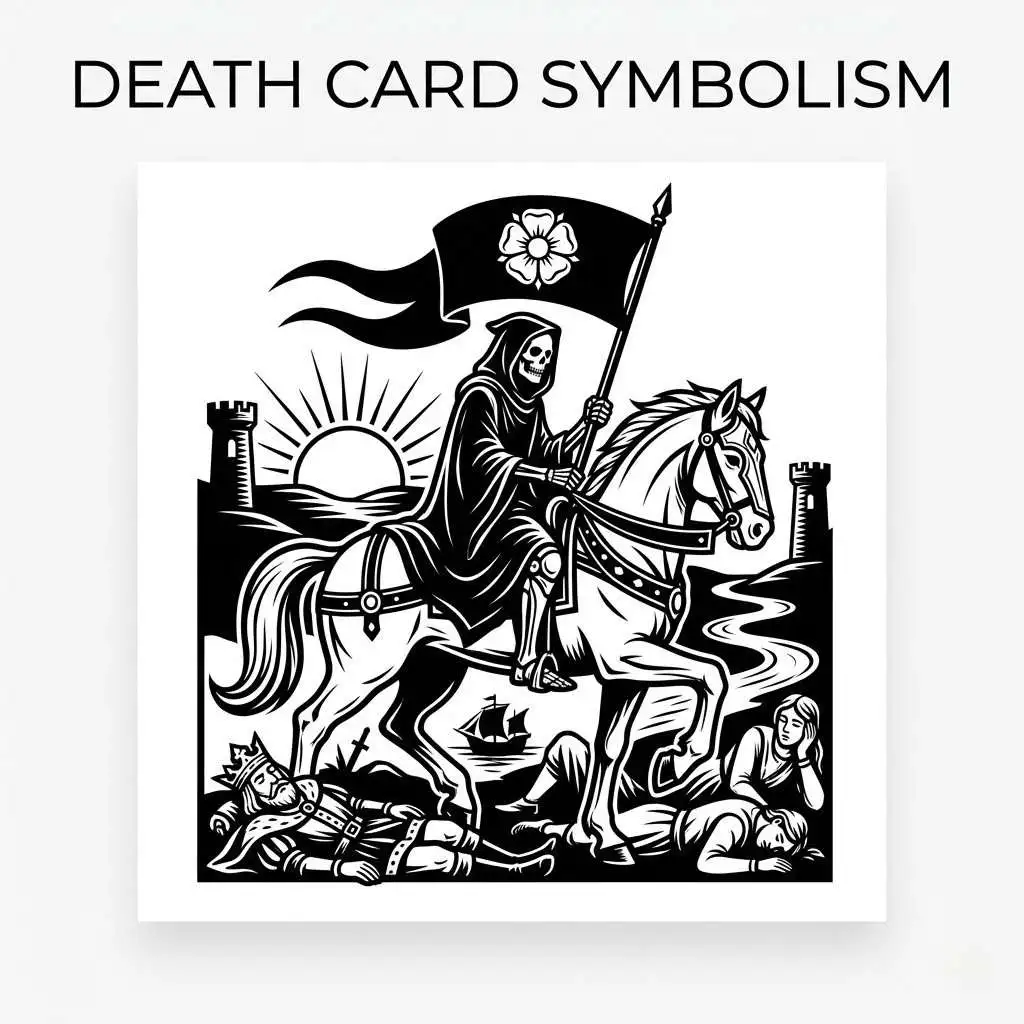
The Death card scares many beginners, but its true meaning is transformation.
This card symbolizes:
- Endings
- Renewal
- Personal evolution
- Letting go
- New chapters
Spiritually, death symbolizes rebirth rather than physical danger.
Tarot Symbols In Literature And Popular Culture
Tarot symbolism appears throughout books, movies, fashion, and music because these images create emotional depth and mystery.
Tarot Symbols In Literature
Writers use tarot imagery to represent character journeys and hidden truths.
Common literary themes include:
- Fate
- Destiny
- Spiritual awakening
- Moral conflict
- Transformation
Many fantasy and gothic novels use tarot inspired imagery to create symbolic storytelling.
Tarot In Movies And Television
Films often use tarot symbols to create suspense or spiritual themes.
Examples include:
- Mysterious fortune tellers
- Symbolic dream sequences
- Moon imagery
- Death and rebirth symbolism
Even viewers unfamiliar with tarot often emotionally understand these visual cues.
Fashion And Art Influence
Tarot inspired fashion has become popular because the symbols feel mystical and expressive.
Common tarot inspired designs include:
- Celestial patterns
- Snakes
- Stars
- Crescent moons
- Sacred geometry
Artists also use tarot symbolism to explore identity and spirituality.
Tarot Symbols In Everyday Life
You may notice tarot related symbols more often than you think.
Many common symbols appear in:
- Jewelry
- Tattoos
- Home decor
- Clothing
- Social media art
- Meditation spaces
People connect with these symbols because they help express emotions and beliefs visually.
Why People Wear Tarot Symbols?
Some people wear tarot symbols for protection or spiritual connection. Others simply enjoy their beauty and mystery.
Popular examples include:
- Moon necklaces for intuition
- Sun symbols for positivity
- Snake rings for transformation
- Star tattoos for hope
These symbols often become deeply personal reminders.
Popular Tarot Tattoo Symbols
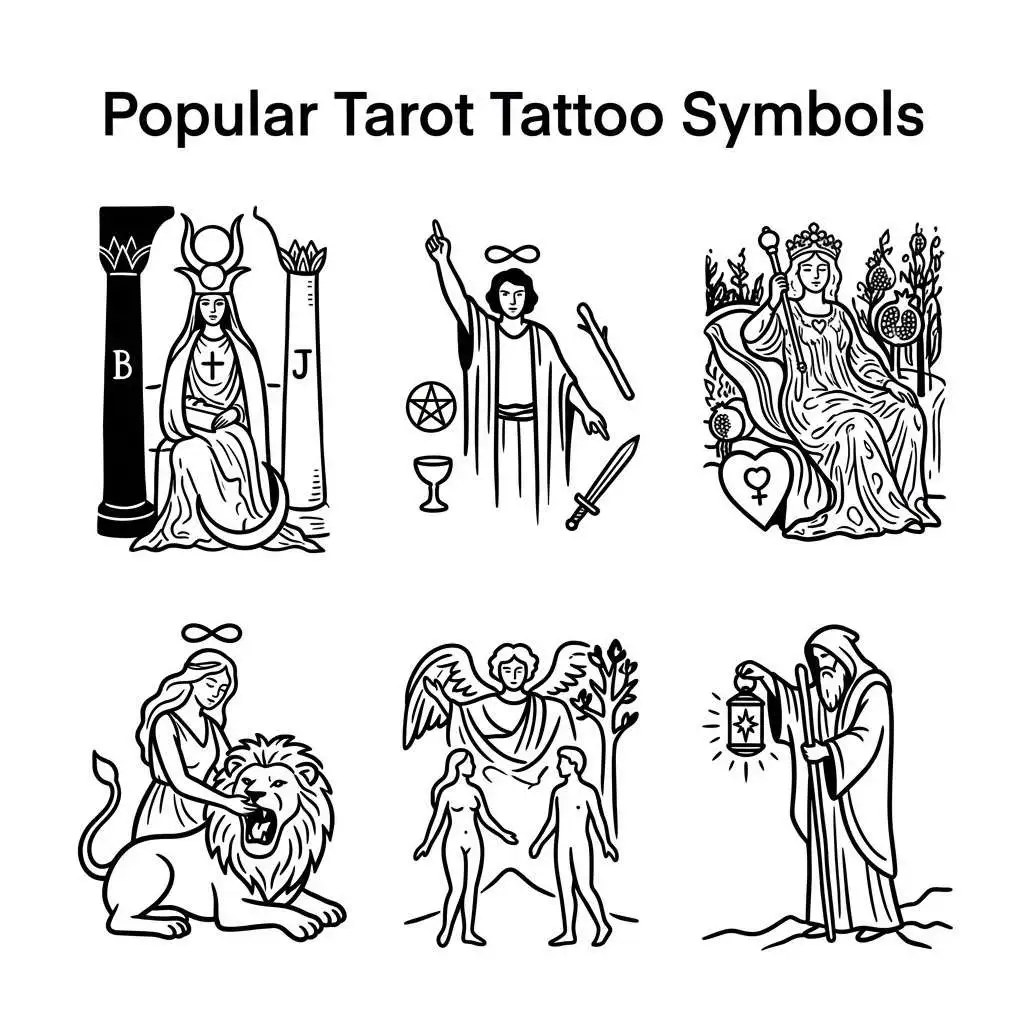
The Sun Tattoo
Represents happiness, healing, and success.
The Moon Tattoo
Symbolizes intuition and emotional depth.
The Star Tattoo
Reflects hope and spiritual guidance.
The Fool Tattoo
Represents freedom and fearlessness.
Snake And Rose Tattoo
Combines beauty with transformation.
Choosing The Right Tarot Tattoo
When selecting a tarot tattoo:
- Focus on personal meaning
- Research cultural symbolism
- Think about emotional connection
- Choose symbols tied to your life journey
A meaningful tattoo often becomes a lifelong reminder of growth and resilience.
The Most Universal Tarot Symbols
Circles
Represent unity, eternity, and wholeness.
Crossroads
Symbolize choices and life direction.
Light
Represents truth and hope.
Shadows
Reflect fear and hidden emotions.
Birds
Symbolize freedom and spiritual communication.
These universal symbols feel powerful because they connect to shared human psychology.
How To Create Or Draw Your Own Tarot Symbol?
Creating personal tarot symbols can be deeply meaningful.
Step By Step Guide
Choose Your Core Meaning
Ask yourself what emotion or idea you want the symbol to represent.
Examples:
- Healing
- Courage
- Freedom
- Transformation
Select Symbolic Elements
Combine meaningful imagery such as:
- Animals
- Shapes
- Celestial symbols
- Plants
- Sacred objects
Use Color Intentionally
Colors carry emotional meaning.
For example:
- Blue for calmness
- Red for passion
- Gold for wisdom
- Black for mystery
Keep The Design Simple
Strong symbols are usually visually simple and emotionally powerful.
Trust Your Intuition
The best tarot symbols often come from personal experiences and emotions.
Did you know? Many modern tarot decks were created by independent artists combining traditional symbolism with personal storytelling.
Common Misunderstandings About Tarot Symbols
Many myths surround tarot symbolism.
Tarot Is Not Always About Predicting The Future
Most tarot readers use symbols for reflection and guidance rather than fortune telling.
Tarot often helps people:
- Understand emotions
- Explore fears
- Gain clarity
- Reflect on life choices
Negative Symbols Are Not Bad
Cards involving darkness or conflict usually symbolize lessons and transformation.
For example:
- Towers symbolize sudden change
- Storms represent emotional struggle
- Shadows reflect hidden truths
These symbols encourage growth rather than fear.
FAQs About Tarot Symbols
What Do Tarot Symbols Mean?
Tarot symbols represent emotions, spiritual ideas, psychological patterns, and life experiences. Each symbol carries deeper meaning based on context.
Why Are Animals Important In Tarot?
Animals symbolize instincts, personality traits, and spiritual energies. Different animals reflect different emotional and spiritual lessons.
Are Tarot Symbols Religious?
Tarot symbols draw inspiration from many traditions including spirituality, mythology, psychology, and ancient symbolism. They are not tied to one religion alone.
What Is The Most Powerful Tarot Symbol?
Many people consider the sun, star, and wheel symbols especially powerful because they represent hope, destiny, and transformation.
Can Tarot Symbols Be Used For Tattoos?
Yes, tarot tattoos are extremely popular because they express personal growth, healing, identity, and spiritual meaning.
Why Do Tarot Symbols Feel Accurate?
Tarot symbols connect deeply with human psychology and universal archetypes, making them emotionally relatable across cultures.
Conclusion
Tarot symbols continue to captivate humanity because they speak the language of emotion, intuition, and imagination. These ancient images reveal truths about fear, hope, transformation, and personal growth in ways ordinary words often cannot.
From celestial symbols and sacred animals to mysterious objects and spiritual archetypes, tarot offers a mirror into the human experience itself. Across cultures and generations, people continue to find comfort, wisdom, and inspiration within these timeless symbols. The deeper you explore tarot symbolism, the more you discover hidden layers about yourself and the world around you.
Explore More Posts:
- 45+ Easy Circuit Symbols Guide That Makes Electrical Diagrams Easy and Meaningful
- 81+ Powerful Symbols of Protection That Secretly Guard You and Transform Your Energy
- 47+ Shocking iPhone Symbols on Top of Screen Secrets Every User Must Know

Sophia Bennett is a passionate writer and symbol researcher who explores the deeper meanings behind ancient and modern symbols. With a strong interest in hidden messages, spiritual signs and cultural symbolism, she helps readers understand how symbols influence thoughts, emotions and everyday life.
Over the years, Sophia has dedicated her work to simplifying complex symbolic meanings into easy-to-understand insights. Her writing blends research with real-life relevance, making her content both educational and engaging for readers of all backgrounds.
She is the author of “Whispers of Hidden Symbols” and “The Silent Language of Signs”, two unique works that uncover the mystery and power behind symbols used across different cultures and traditions. Through these books, she invites readers to see the world from a new perspective, where every sign tells a story.
When she’s not writing, Sophia enjoys exploring historical texts, studying symbolic art, and discovering the unnoticed meanings hidden in everyday life.
 Ryan Scott
 Andrew Clark