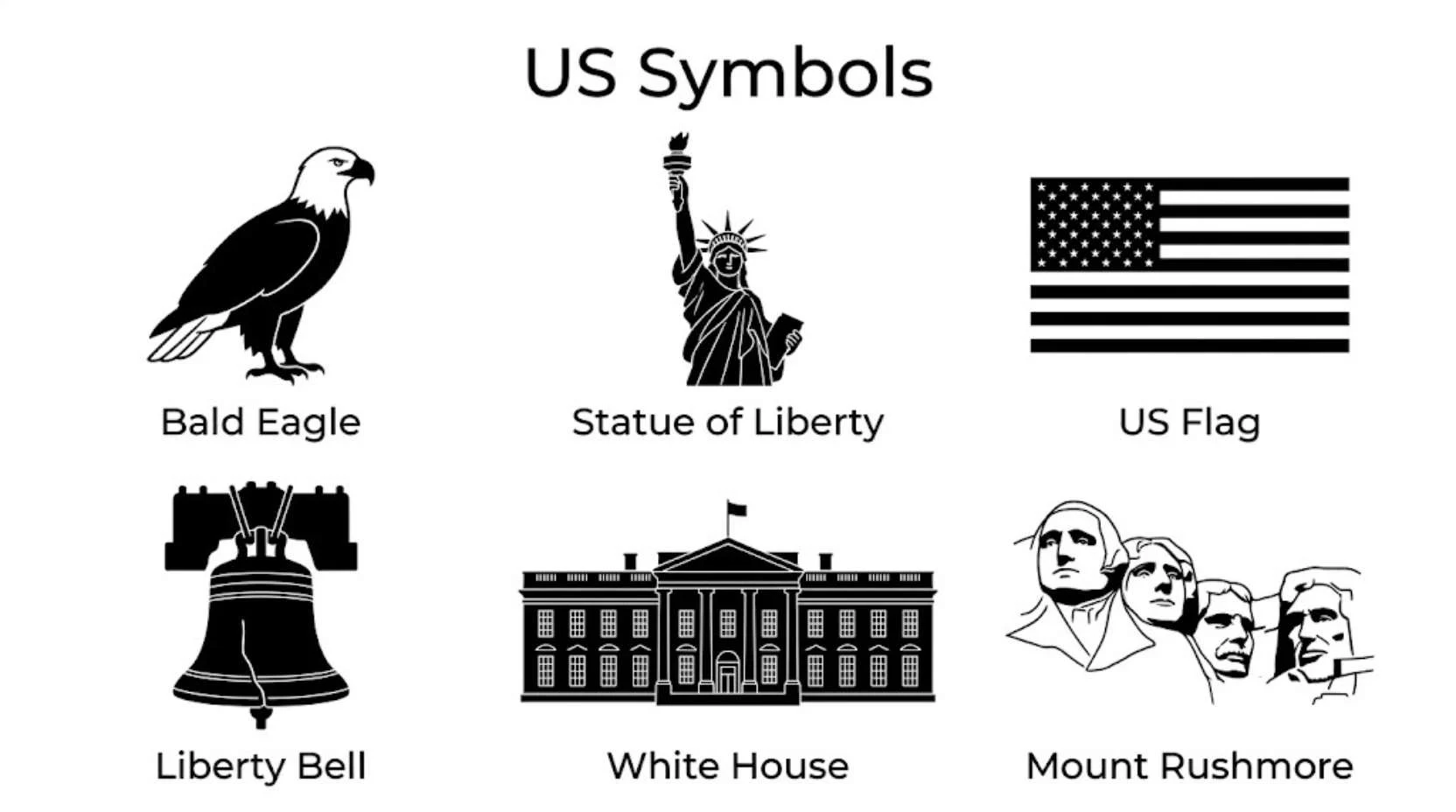
The United States is a nation rich in history, ideals, and stories. “US symbols” capture the spirit, struggles and triumphs of this country, representing freedom, unity and identity in ways that go beyond words.
From iconic animals to historic monuments, these symbols carry emotional weight, shaping national pride and personal connection.
Understanding US symbols is more than memorizing icons; it’s exploring the hidden stories, cultural significance, and psychological impact these symbols hold for Americans and the world.
This article reveals these layers, offering insights into symbols you see every day but may not fully understand.
Quick Answer
US symbols are objects, animals, monuments, or actions that represent the values, history, and culture of the United States. They include the American flag, the bald eagle, the Liberty Bell, and the Statue of Liberty, symbolizing freedom, patriotism, courage, and unity. These symbols influence daily life, cultural practices, and personal identity while holding emotional and spiritual meaning.
What Makes Something a Symbol of the United States?
A symbol becomes iconic when it represents broader ideals shared by a nation. For the United States, symbols often embody:
- Freedom and liberty – core American values
- Historical significance – objects or landmarks linked to important events
- Cultural identity – items that connect citizens to shared heritage
- Emotional resonance – objects that evoke pride, inspiration, or unity
For example, the American flag is more than a piece of cloth; it represents sacrifices, independence, and national pride across generations.
Most Famous and Iconic US Symbols
The American Flag
The stars and stripes are instantly recognizable worldwide. Each star represents a state, while the 13 stripes honor the original colonies. Psychologically, the flag evokes unity, patriotism, and hope, often displayed during national holidays, sporting events, and personal milestones.
The Bald Eagle
As the national bird, the bald eagle symbolizes strength, courage, and freedom. It appears on the Great Seal of the United States and on currency, reinforcing its role as a powerful national emblem.
The Statue of Liberty
Standing tall in New York Harbor, Lady Liberty is a universal symbol of freedom and welcome. Originally a gift from France, it has become a global representation of hope, democracy, and refuge.
The Liberty Bell
Located in Philadelphia, this historic bell represents independence and the fight for liberty. Its cracked surface reminds us that freedom comes with struggle and resilience.
Animal and Nature Symbols
Animals often carry deep symbolic meaning:
- Bald Eagle – courage, vigilance, and freedom
- White-tailed Deer – gentleness and peace in Native American culture
- American Bison – strength, resilience, and the nation’s westward expansion
- Oak Trees – longevity, stability, and endurance
Nature symbols like mountains, rivers, and national parks also embody the spirit of exploration and respect for the land.
Objects and Actions That Represent the US
Several objects and actions have gained symbolic weight:
- American Flag – patriotism, loyalty, and freedom
- Declaration of Independence – the birth of democracy
- Fourth of July Celebrations – collective memory, unity, and joy
- Pledge of Allegiance – national loyalty and civic identity
These symbols are active, reminding citizens of shared values and inspiring pride in daily life.
Ancient and Cultural Symbols
Even before the modern US existed, Native American tribes had symbols that carry meaning today:
- Dreamcatchers – protection and spiritual guidance
- Totem Poles – ancestral stories and tribal identity
- Medicine Wheels – harmony, balance, and the circle of life
Early European settlers introduced additional symbols, blending with Native traditions to create a unique American cultural tapestry.
Spiritual Meaning and Deeper Interpretation
US symbols often carry deeper spiritual or emotional meaning:
- Freedom as a spiritual state – the idea that liberty allows individuals to fulfill their potential
- Unity and diversity – represented in stars of the flag or people in parades
- Courage and resilience – seen in monuments, historical documents, and national stories
Symbols help Americans connect to both personal values and collective identity.
Symbolism in Literature and Culture
US symbols are woven into literature, music, and media:
- The American Dream – stories of opportunity and self-reliance
- Patriotic songs – like “The Star-Spangled Banner” and “America the Beautiful”
- Movies and novels – featuring iconic symbols like the Statue of Liberty or the flag as central motifs
These cultural references strengthen emotional connection and reinforce symbolic meaning across generations.
Symbols in Everyday Life
From coins to street signs, US symbols appear in daily life:
- Currency – eagles, flags, and historic figures remind citizens of heritage
- Government seals – visible on documents and buildings
- Sporting events – national anthems and flag displays unite fans and communities
Even small gestures, like flying the flag at home, carry deep symbolic weight.
Tattoo Ideas and Personal Meanings
Many Americans express pride or personal meaning through tattoos:
- Bald Eagle Tattoo – strength and independence
- Flag Tattoo – patriotism and family heritage
- Liberty Bell or Statue of Liberty Tattoo – freedom and resilience
- Military Symbols – honor and remembrance of service
Each tattoo tells a story, allowing individuals to carry national ideals permanently on their skin.
Universal and Most Recognized Symbols
Some US symbols are recognized globally, representing American values worldwide:
- American Flag – freedom and democracy
- Bald Eagle – strength and courage
- Statue of Liberty – hope and welcome
- Hollywood Sign – creativity and cultural influence
- White House – leadership and government authority
These symbols convey the nation’s identity beyond borders.
How to Create or Draw a Symbol Based on the US Concept
Creating a symbol that captures American ideals requires combining history, culture, and emotion:
- Choose the core concept – freedom, unity, or courage
- Select visual elements – stars, stripes, animals, or iconic monuments
- Incorporate colors meaningfully – red for courage, white for purity, blue for loyalty
- Add cultural or personal touches – historical dates, quotes, or local landmarks
- Simplify for recognition – a clear, memorable design resonates emotionally
This approach ensures the symbol is both personal and universally recognizable.
FAQs
1. What are the main symbols of the United States?
The most recognized symbols include the American flag, bald eagle, Statue of Liberty, Liberty Bell, and the White House.
2. Why is the bald eagle a US symbol?
It represents strength, courage, and freedom. Chosen in 1782, it embodies the spirit of the nation.
3. What does the American flag symbolize?
Stars represent states, stripes honor the original colonies, and colors symbolize courage, purity, and loyalty.
4. Are there spiritual meanings behind US symbols?
Yes, they often represent freedom as a state of mind, unity, courage, and resilience across generations.
5. How do US symbols appear in everyday life?
They appear on currency, government seals, public events, patriotic holidays, and even personal items like tattoos or home displays.
6. Can anyone create their own US symbol?
Yes, combining history, cultural elements, colors, and personal meaning allows individuals to design recognizable symbols inspired by American ideals.
Conclusion
US symbols are more than historical artifacts; they are living representations of freedom, courage, and unity. They influence culture, daily life, literature, and personal identity, carrying emotional and spiritual meaning across generations.
From the bald eagle soaring high to the flag waving proudly, these symbols inspire pride, reflection, and connection. Understanding them deepens our appreciation of history and reveals the shared ideals that continue to define the United States.

Andrew Clark is a dedicated writer and researcher with a deep passion for symbols, their hidden meanings, and the stories they carry across cultures and time. With years of study and curiosity-driven exploration, he simplifies complex symbolic concepts into clear and engaging insights that help readers connect with deeper meanings in everyday life.
He is the author of “Hidden Codes of Human Symbols” and “The Secret Patterns of Ancient Signs”, two original works that explore the spiritual, historical, and psychological layers behind symbols. His writing blends clarity with depth, making even the most complex symbolic interpretations feel simple and meaningful.
Through his work on this website, Andrew aims to guide readers toward understanding the true essence of symbols, whether they appear in dreams, ancient traditions, or modern life. His goal is simple: to help you see beyond the surface and discover the powerful messages hidden in plain sight.
 Sophia Bennett
 Ryan Scott