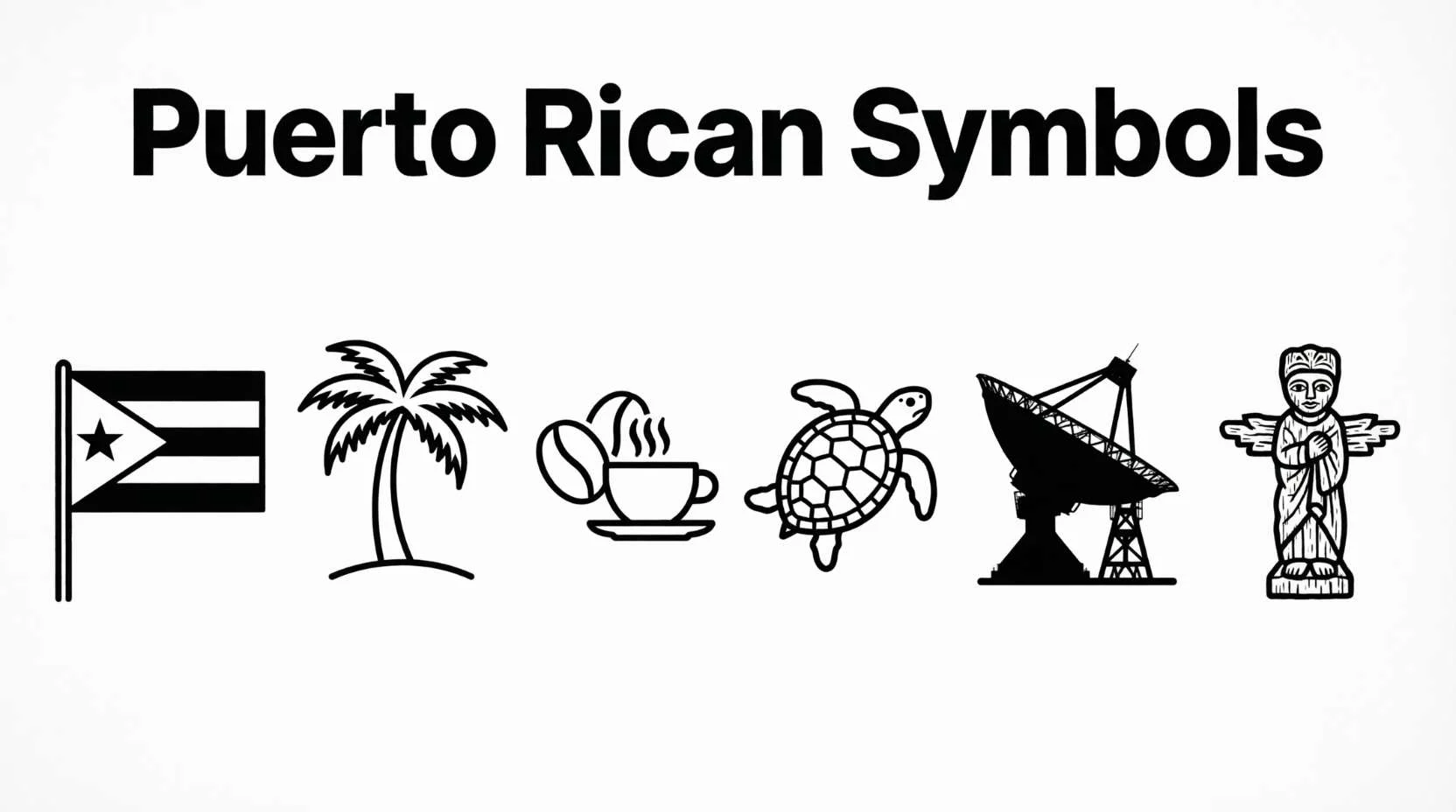
Puerto Rican symbols tell a powerful story of identity, resilience, pride and cultural heritage.
From the vibrant flag flying above historic streets to the tiny coquí frog singing at night, these symbols carry deep meanings that connect millions of Puerto Ricans across the world. They are more than images or objects, they represent history, emotions, traditions, and the spirit of a people who have preserved their culture through centuries of change.
Understanding Puerto Rican symbols helps us discover hidden layers of Caribbean history, indigenous traditions, Spanish influences, African heritage, and modern national pride.
Many people recognize these symbols, yet few know the fascinating stories behind them. This guide explores their meanings, origins, and why they continue to inspire generations today.
Quick Answer
Puerto Rican symbols are cultural, historical, natural, and national representations that reflect the identity of Puerto Rico. The most famous symbols include the Puerto Rican flag, the coquí frog, the Flor de Maga, the Puerto Rican parrot, El Morro, the jíbaro, and the Taíno sun symbol. These symbols represent freedom, resilience, heritage, nature, pride, and cultural unity.
What Makes Something a Puerto Rican Symbol?
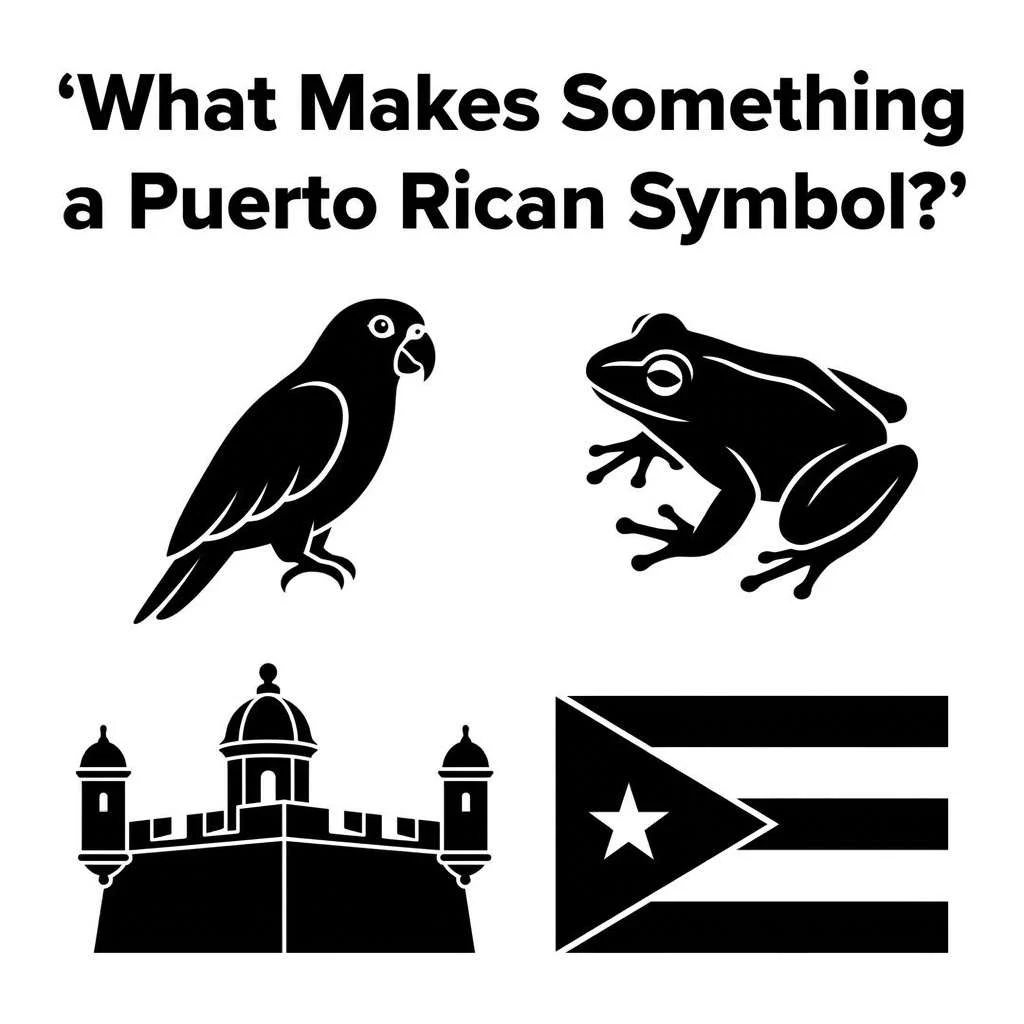
A symbol becomes part of Puerto Rican culture when it represents important values, traditions, history, or shared experiences.
Strong cultural symbols often:
- Connect people to their heritage
- Represent historical struggles and victories
- Reflect the island’s natural beauty
- Preserve indigenous traditions
- Inspire national pride
- Unite Puerto Ricans living around the world
A true symbol is instantly recognizable and carries emotional meaning beyond its physical appearance.
The Most Famous Puerto Rican Symbols
The Puerto Rican Flag
The Puerto Rican flag is one of the strongest symbols of national identity.
It features:
- Five red and white stripes
- A blue triangle
- A white star
Meaning of the Colors
- Red symbolizes courage and sacrifice
- White represents liberty and peace
- Blue reflects the sky and surrounding waters
- The star represents Puerto Rico itself
For many Puerto Ricans, the flag symbolizes pride, resistance, freedom, and unity.
Did You Know?
Displaying the Puerto Rican flag was once politically controversial during certain periods of history. Today, it stands proudly as one of the most beloved symbols of the island.
The Coquí Frog
The coquí frog is perhaps the most cherished natural symbol of Puerto Rico. This tiny frog is famous for its unique nighttime call that sounds like “co-quí.”
Symbolic Meaning
The coquí represents:
- Home
- Belonging
- Cultural identity
- Persistence
- Love for Puerto Rico
Many Puerto Ricans living abroad say the sound of the coquí instantly reminds them of home.
Animal Symbols of Puerto Rico
Animals play a major role in Puerto Rican symbolism.
The Puerto Rican Parrot
The Puerto Rican parrot is one of the rarest birds in the world.
What It Represents
- Survival
- Conservation
- Hope
- Resilience
After nearly disappearing, extensive conservation efforts helped the species recover. As a result, it became a symbol of determination and renewal.
The Leatherback Sea Turtle
This magnificent ocean traveler symbolizes:
- Endurance
- Wisdom
- Protection
- Connection to nature
Sea turtles appear frequently in Puerto Rican artwork and environmental campaigns.
The Manatee
The gentle manatee has deep connections to Caribbean history.
It symbolizes:
- Peace
- Harmony
- Gentleness
- Environmental awareness
Ancient Taíno communities respected these creatures and included them in their stories and traditions.
Nature Symbols of Puerto Rico
Puerto Rico’s landscapes inspire some of its most meaningful symbols.
Flor de Maga
The Flor de Maga is Puerto Rico’s national flower.
Symbolic Meaning
The flower represents:
- Beauty
- Elegance
- Strength
- National pride
Its bright pink petals appear in artwork, celebrations, and cultural events throughout the island.
The Ceiba Tree
The giant Ceiba tree has sacred importance.
For centuries it symbolized:
- Life
- Protection
- Spiritual connection
- Strength
Many indigenous cultures throughout the Caribbean viewed the Ceiba as a bridge between the earth and the spiritual world.
El Yunque Rainforest
The famous rainforest represents:
- Natural abundance
- Growth
- Renewal
- Environmental preservation
It remains one of Puerto Rico’s most treasured natural landmarks.
Historic Puerto Rican Symbols
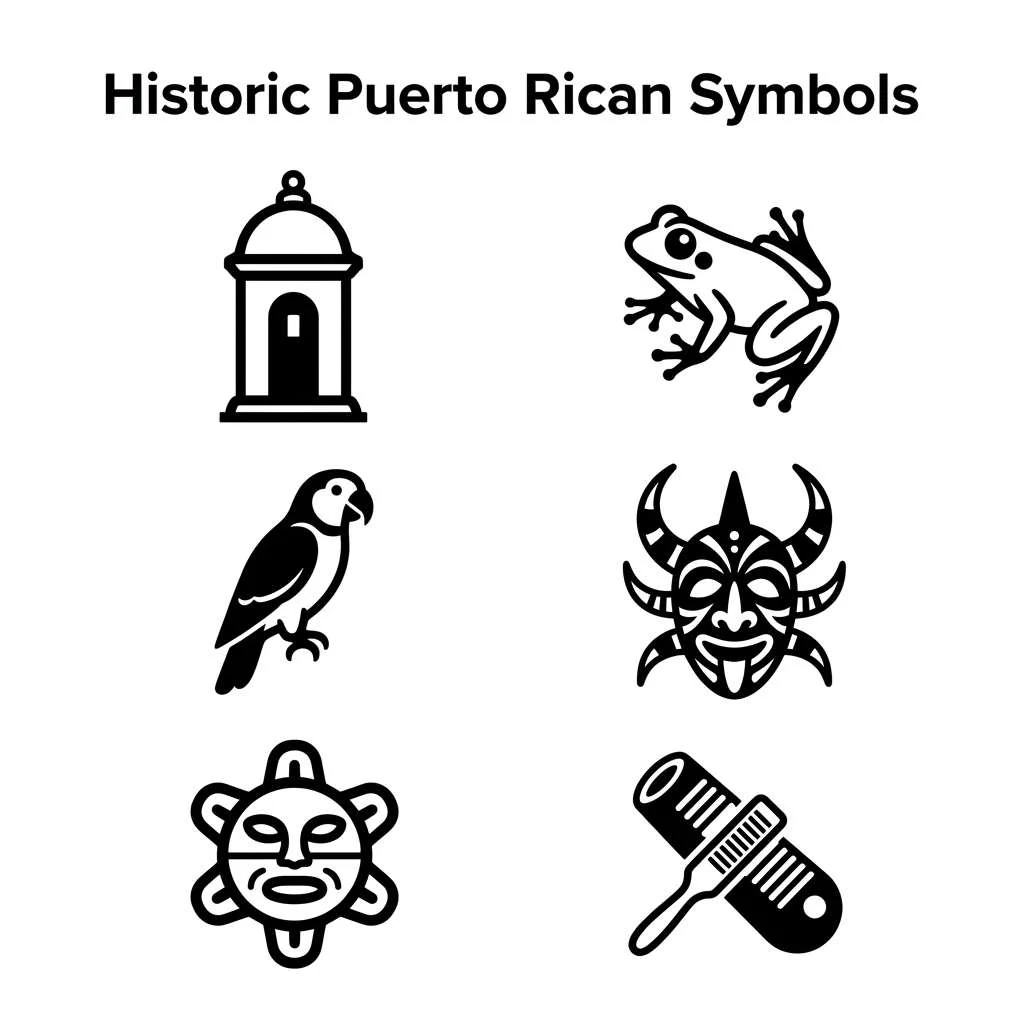
El Morro Fortress
El Morro stands as one of Puerto Rico’s most recognizable landmarks.
Meaning
The fortress symbolizes:
- Protection
- Strength
- Historical endurance
- National heritage
For centuries it defended San Juan from invading forces.
Old San Juan
The colorful streets of Old San Juan symbolize:
- Cultural continuity
- Colonial history
- Artistic expression
- Community spirit
Its blue cobblestone streets have become iconic representations of Puerto Rican culture.
Indigenous Taíno Symbols and Their Meanings
Before European arrival, Puerto Rico was home to the Taíno people.
Their symbols remain deeply influential today.
The Taíno Sun Symbol
One of the most recognized indigenous symbols is the Taíno sun.
Meaning
It represents:
- Life
- Energy
- Creation
- Spiritual power
Today, the symbol appears on jewelry, tattoos, murals, and cultural artwork.
The Coquí in Taíno Tradition
The coquí also appears in indigenous folklore.
Many legends associate it with:
- Communication
- Protection
- Nature spirits
Cemí Symbols
Cemís were sacred spiritual figures.
They represented:
- Ancestors
- Divine forces
- Guidance
- Protection
Many archaeological discoveries reveal the importance of these symbols in Taíno society.
The Jíbaro as a Cultural Symbol
The jíbaro represents the traditional Puerto Rican countryside farmer.
This figure is one of the most powerful cultural symbols on the island.
What the Jíbaro Represents
- Hard work
- Humility
- Family values
- Connection to the land
- Authentic Puerto Rican identity
The jíbaro appears in music, literature, paintings, and national celebrations.
Puerto Rican Musical Symbols
Music is central to Puerto Rican culture.
The Cuatro
The Puerto Rican cuatro is a traditional string instrument.
Symbolic Meaning
It represents:
- Creativity
- Folk traditions
- Community
- Cultural pride
Its distinctive sound is closely associated with Puerto Rican music.
Bomba and Plena
These musical traditions symbolize:
- Resistance
- African heritage
- Celebration
- Storytelling
They continue to play an important role in festivals and cultural gatherings.
Spiritual Meaning Behind Puerto Rican Symbols
Puerto Rican symbols often contain deeper spiritual messages.
Themes Found Across Many Symbols
Resilience
Many symbols reflect the island’s ability to overcome challenges.
Community
Puerto Rican culture places great importance on family and collective support.
Connection to Nature
Animals, forests, flowers, and oceans all reflect harmony with the natural world.
Identity
Symbols help preserve cultural roots across generations.
Puerto Rican Symbols in Literature and Popular Culture
Writers, musicians, and artists frequently use symbols to express cultural identity.
Common Literary Symbols
The Sea
Represents:
- Migration
- Opportunity
- Separation
- Connection
The Coquí
Often symbolizes:
- Memory
- Home
- Nostalgia
The Flag
Represents:
- Pride
- Political identity
- Cultural unity
These symbols appear in poetry, novels, songs, and films created by Puerto Rican artists.
Puerto Rican Symbols in Everyday Life
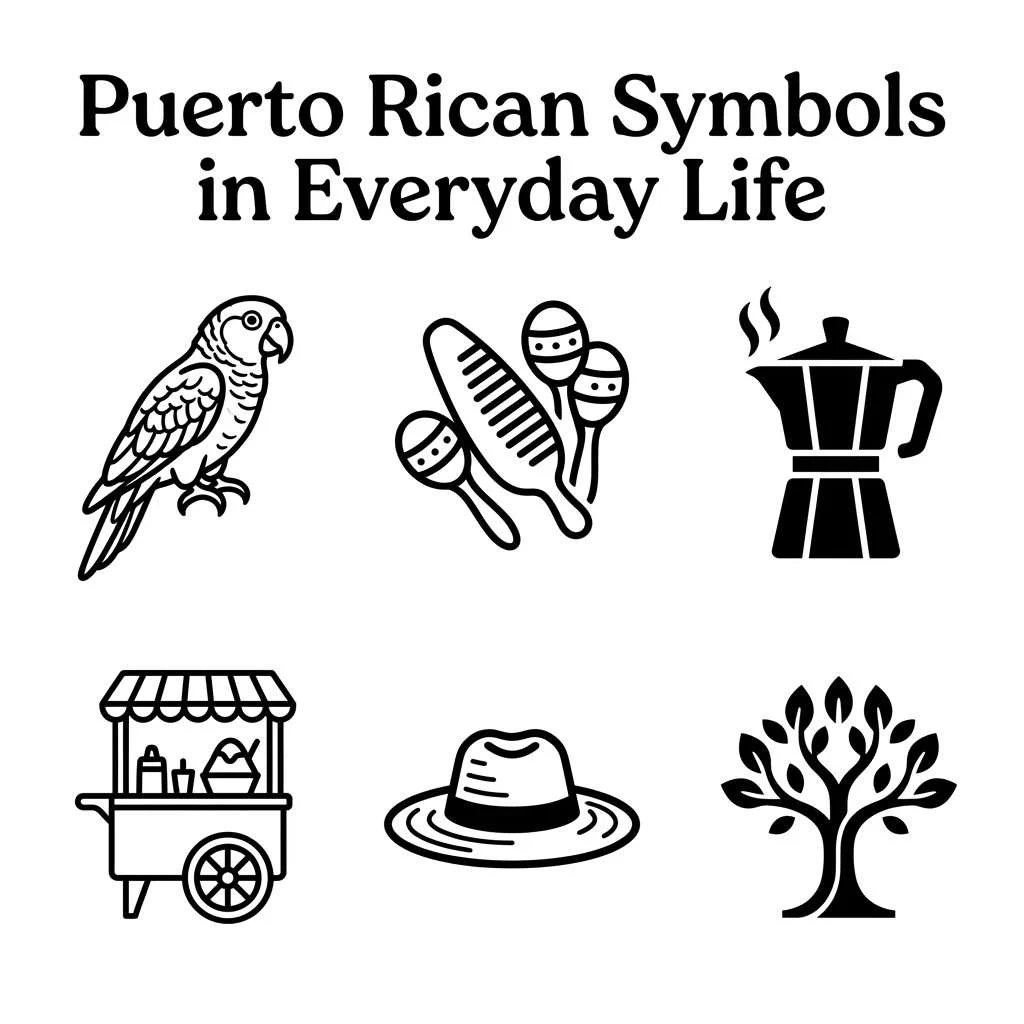
Many symbols appear in daily life across the island and among Puerto Rican communities abroad.
Common Examples
- Flag murals
- Coquí souvenirs
- Flor de Maga artwork
- Taíno jewelry
- Traditional music performances
- Cultural festivals
- School celebrations
These symbols help people stay connected to their roots.
Puerto Rican Tattoo Symbols and Personal Meanings
Many people choose Puerto Rican inspired tattoos to celebrate heritage and identity.
Popular Tattoo Designs
Coquí Frog Tattoo
Represents:
- Home
- Family
- Cultural pride
Taíno Sun Tattoo
Represents:
- Energy
- Spiritual growth
- Personal strength
Puerto Rican Flag Tattoo
Represents:
- Patriotism
- Loyalty
- Cultural connection
Flor de Maga Tattoo
Represents:
- Beauty
- Inner strength
- Love for Puerto Rico
Why These Tattoos Matter
For many people, these designs are not simply artwork. They tell personal stories about family history, cultural roots, and belonging.
Universal Puerto Rican Symbols Recognized Around the World
Some symbols have become internationally recognized.
Top Global Puerto Rican Symbols
- Puerto Rican Flag
- Coquí Frog
- El Morro
- Flor de Maga
- Taíno Sun Symbol
- Puerto Rican Parrot
- Jíbaro Figure
- Cuatro Instrument
These symbols immediately connect people to Puerto Rican culture.
How to Create or Draw a Puerto Rican Inspired Symbol
Creating a meaningful symbol requires combining cultural elements with personal meaning.
Step 1: Choose a Core Theme
Examples include:
- Heritage
- Family
- Strength
- Nature
- Freedom
Step 2: Select Symbolic Elements
You might include:
- A coquí
- A sun motif
- A flower
- Ocean waves
- A star
Step 3: Add Puerto Rican Colors
Use:
- Red
- White
- Blue
These instantly create a cultural connection.
Step 4: Include Personal Meaning
The strongest symbols combine traditional imagery with personal experiences.
Step 5: Keep the Design Simple
Simple designs are easier to recognize and remember.
Puerto Rican Symbols Compared Across Cultures
Many Puerto Rican symbols share meanings with symbols from other regions.
| Puerto Rican Symbol | Similar Meaning in Other Cultures |
| Coquí Frog | Renewal and transformation in parts of Asia |
| Sun Symbol | Life and power across Africa and Europe |
| Ceiba Tree | Sacred tree traditions throughout Africa |
| Sea Turtle | Wisdom in Polynesian cultures |
| National Flag | Identity and unity worldwide |
This demonstrates how symbols can be both culturally unique and universally understood.
Why Puerto Rican Symbols Continue to Matter Today
In a rapidly changing world, symbols preserve collective memory.
They remind people of:
- Their roots
- Their ancestors
- Their values
- Their shared experiences
For Puerto Ricans living on the island and abroad, these symbols create a lasting connection to culture, family, and history.
Frequently Asked Questions
What is the most important Puerto Rican symbol?
The Puerto Rican flag is often considered the most important symbol because it represents national identity, pride, and unity.
Why is the coquí frog a symbol of Puerto Rico?
The coquí is native to Puerto Rico and its distinctive call has become a powerful reminder of home, culture, and belonging.
What is the national flower of Puerto Rico?
The Flor de Maga is the national flower and symbolizes beauty, resilience, and cultural pride.
What does the Taíno sun symbol mean?
The Taíno sun symbol represents life, energy, creation, spirituality, and the enduring legacy of indigenous culture.
Why is the Puerto Rican parrot important?
The Puerto Rican parrot symbolizes survival, conservation, hope, and the successful protection of endangered wildlife.
What does the jíbaro symbolize in Puerto Rico?
The jíbaro represents hard work, humility, family values, and the traditional rural spirit of Puerto Rican culture.
Conclusion
Puerto Rican symbols are much more than cultural images. They represent centuries of history, indigenous heritage, natural beauty, resilience, and national pride. From the coquí frog and Flor de Maga to the Puerto Rican flag and Taíno sun, each symbol tells a story that continues to inspire people around the world.
These powerful emblems preserve traditions, strengthen cultural identity, and connect generations through a shared sense of belonging. Understanding their meanings provides a deeper appreciation for the rich spirit and enduring legacy of Puerto Rico.
You May Also Like:
- 73+ Mental Health Symbols and Meanings That Reveal Hope, Healing and Inner Strength
- 81+ Lorcana Rarity Symbols Decoded The Hidden Meanings Behind Disney’s Most Valuable Cards
- What Do the Symbols on a Fire Extinguisher Indicate? and Why They Could Save Your Life

Ryan Scott is a dedicated writer and symbol researcher who uncovers the deeper meanings behind everyday signs and symbols. His work focuses on making complex symbolic concepts simple, engaging, and easy to understand for readers from all backgrounds.
He is the author of Hidden Symbol Codes and Secrets Behind Ancient Symbols, where he explores the origins and meanings of symbols across different cultures.
Ryan’s goal is to inspire curiosity and help readers see the world from a new perspective through the language of symbols.
 Sophia Bennett
 Andrew Clark